 DispatchSEO
Blog
Guides on agent-driven SEO - written and shipped by the pipeline this product runs.
Latest
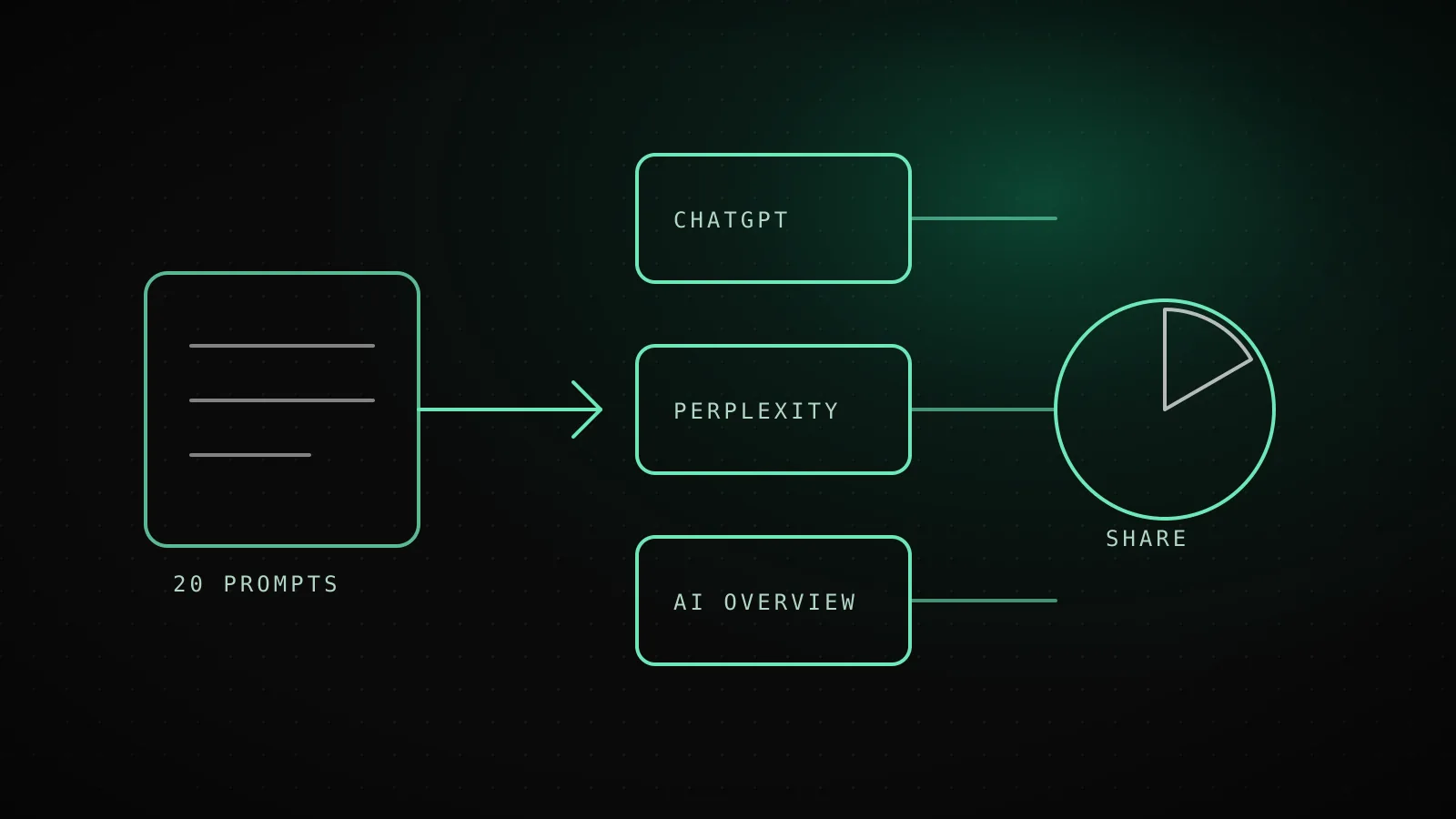
AI brand visibility: measure whether ChatGPT and Perplexity name you, then move it
AI brand visibility is the share of relevant AI answers that name your brand. A 20-prompt weekly protocol you can run today, the four levers that move it, and this site's own baseline - 1 citation in 110 Claude checks.
More posts
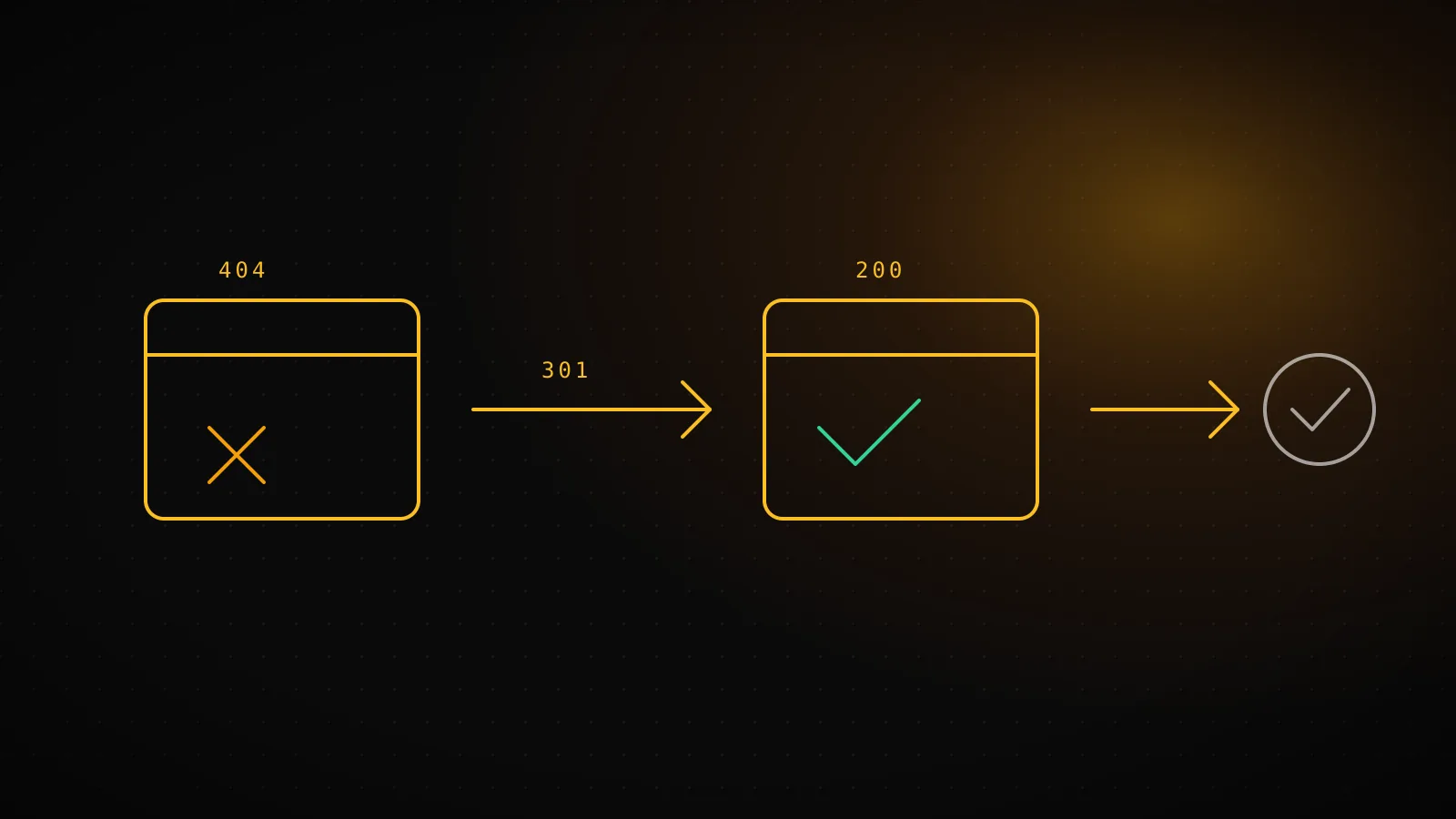
How to fix 404 errors in Google Search Console, and stop them coming back
Most Search Console 404s need no fix. Triage by impressions and backlinks, fix the rest with a redirect, a real 404 or real content, and keep the redirects in your repo.
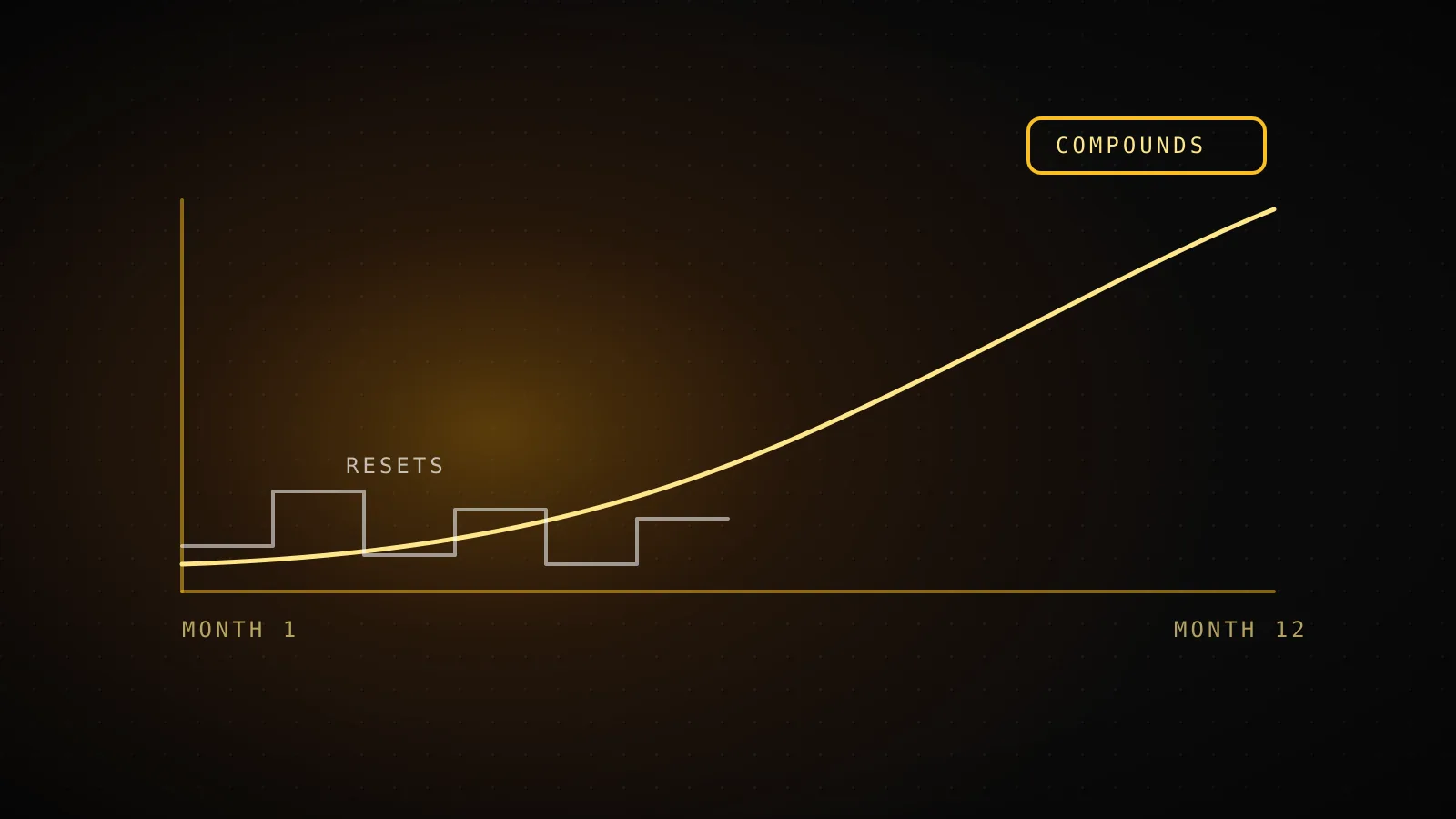
SaaS marketing strategy for a solo founder: the channels that compound and the ones that don't
A SaaS marketing strategy for one person and no ad budget - sort channels by whether they compound or reset, run launches and SEO in parallel, add paid last, and see this site's own click data.
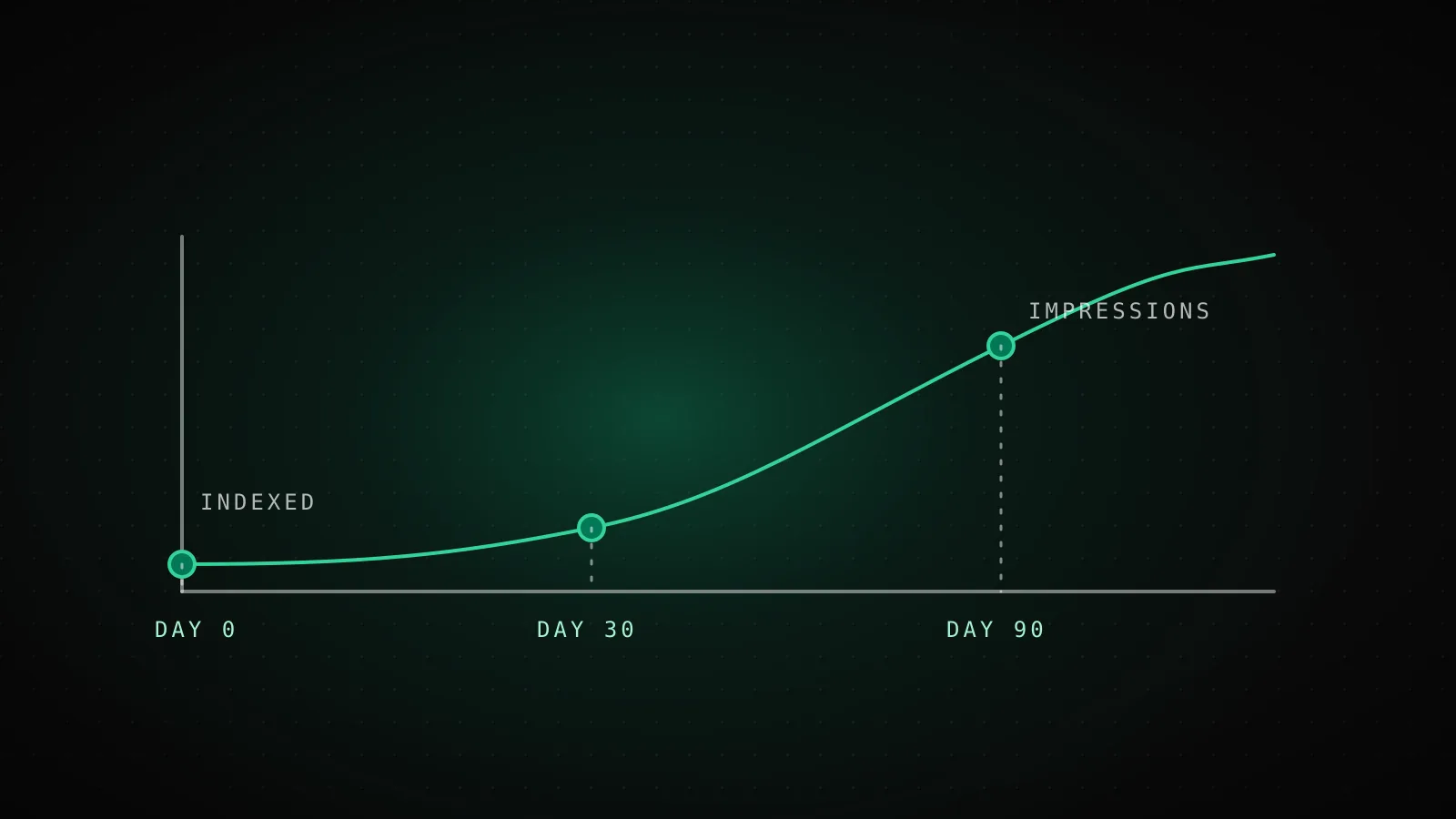
SEO for startups: the first 90 days, before Google knows you exist
What startup SEO looks like with zero authority - get indexed on day 0, pick low-difficulty keywords, publish steadily, read Search Console at day 90, avoid the habits that get a new domain demoted.
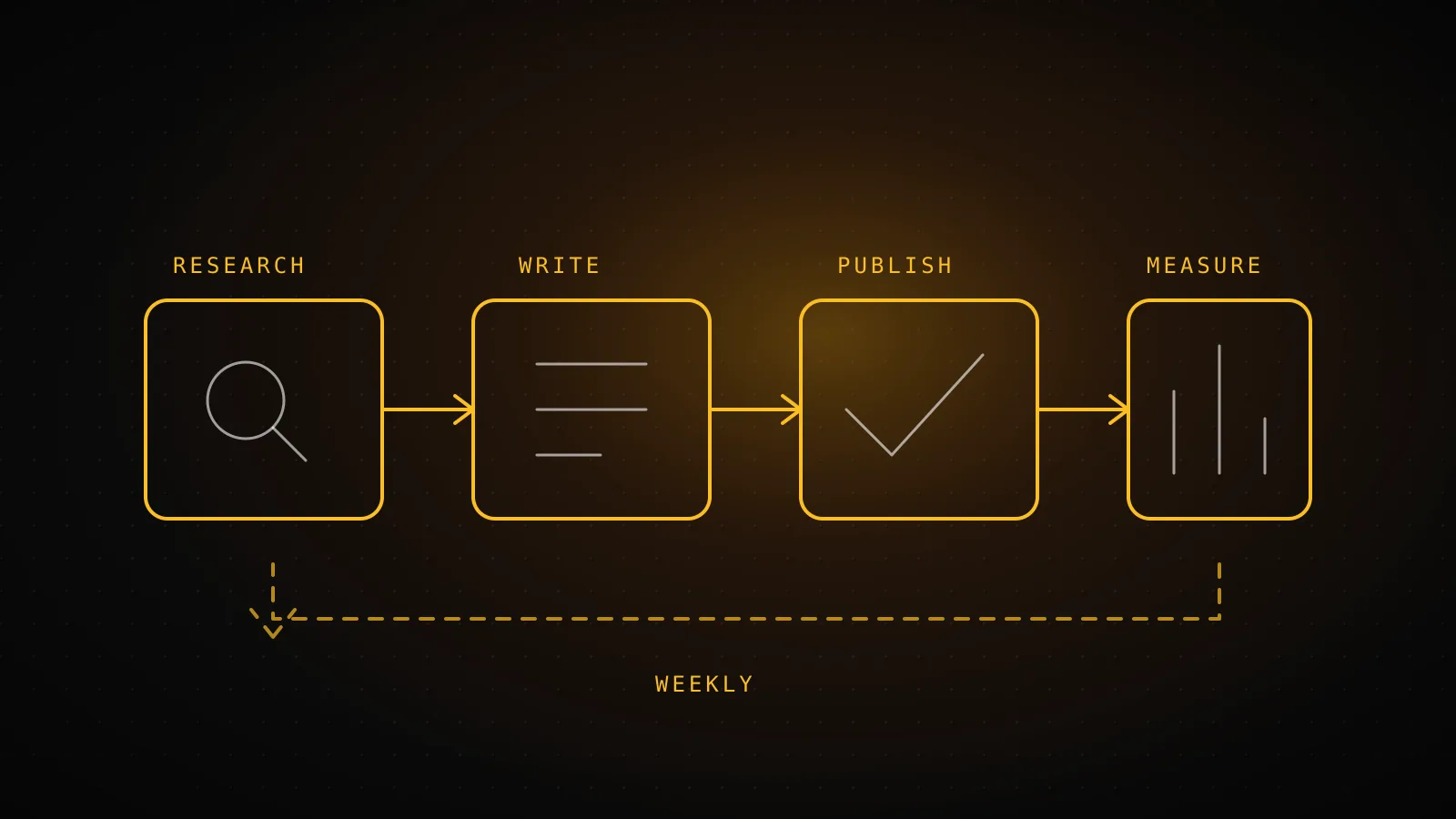
Content marketing for SaaS: the one-person system that compounds
How to run content marketing for a SaaS with no team - a weekly research, write, publish, measure loop, the page types worth writing, and what 75 published posts taught one young site.
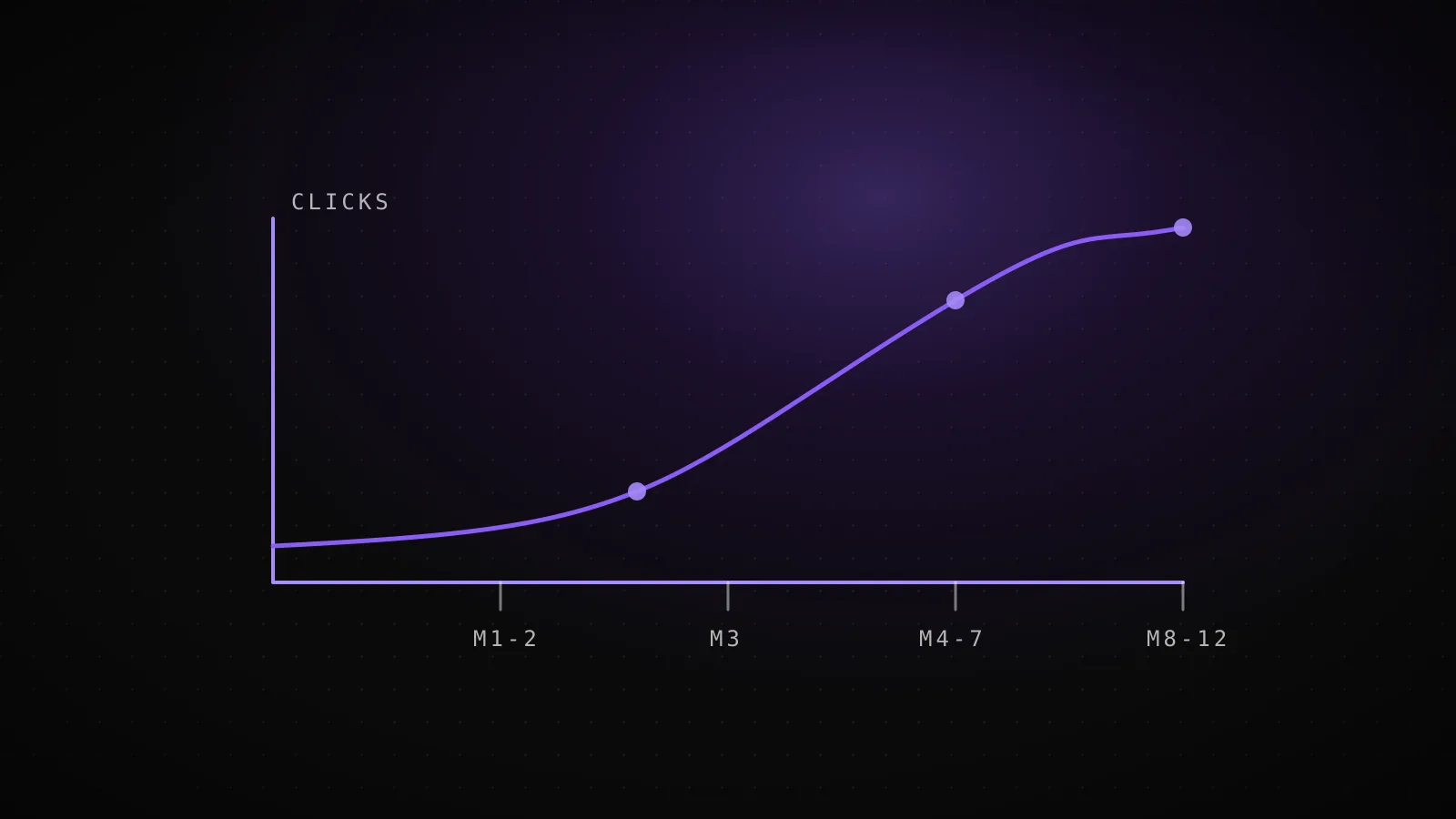
SEO for SaaS: a 12-month plan one founder can actually run
A month-by-month SEO plan for a SaaS run by one person - what to do in months 1-2, what to expect in month 3, and when clicks start. Includes one young site's real Search Console curve.
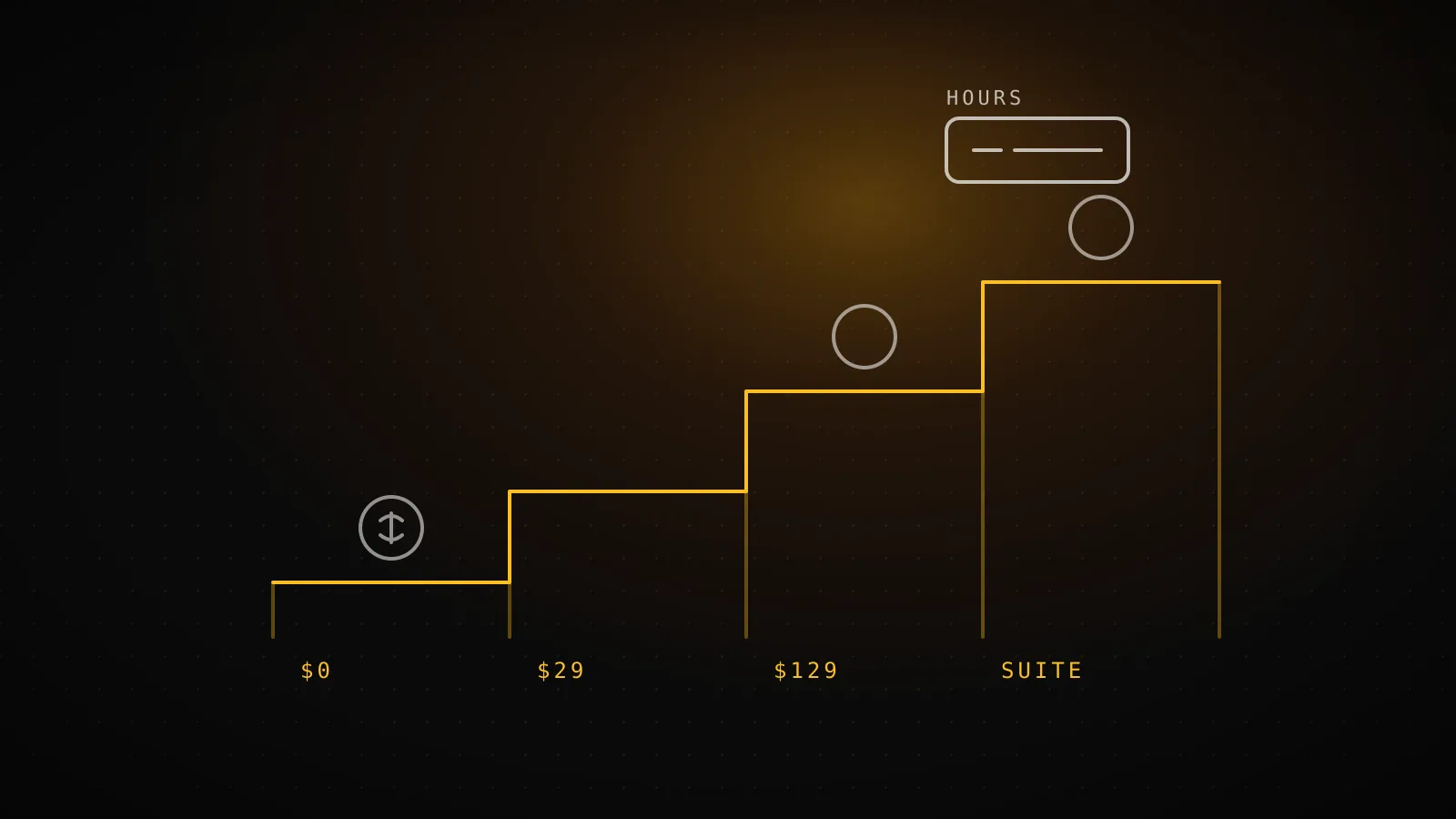
SEO tools for small business: the budget is hours, not dollars
What a small business actually needs in SEO tools, with real monthly prices from Ahrefs and Semrush, a free core stack, and when the owner's weekly hours make automation the cheaper option.
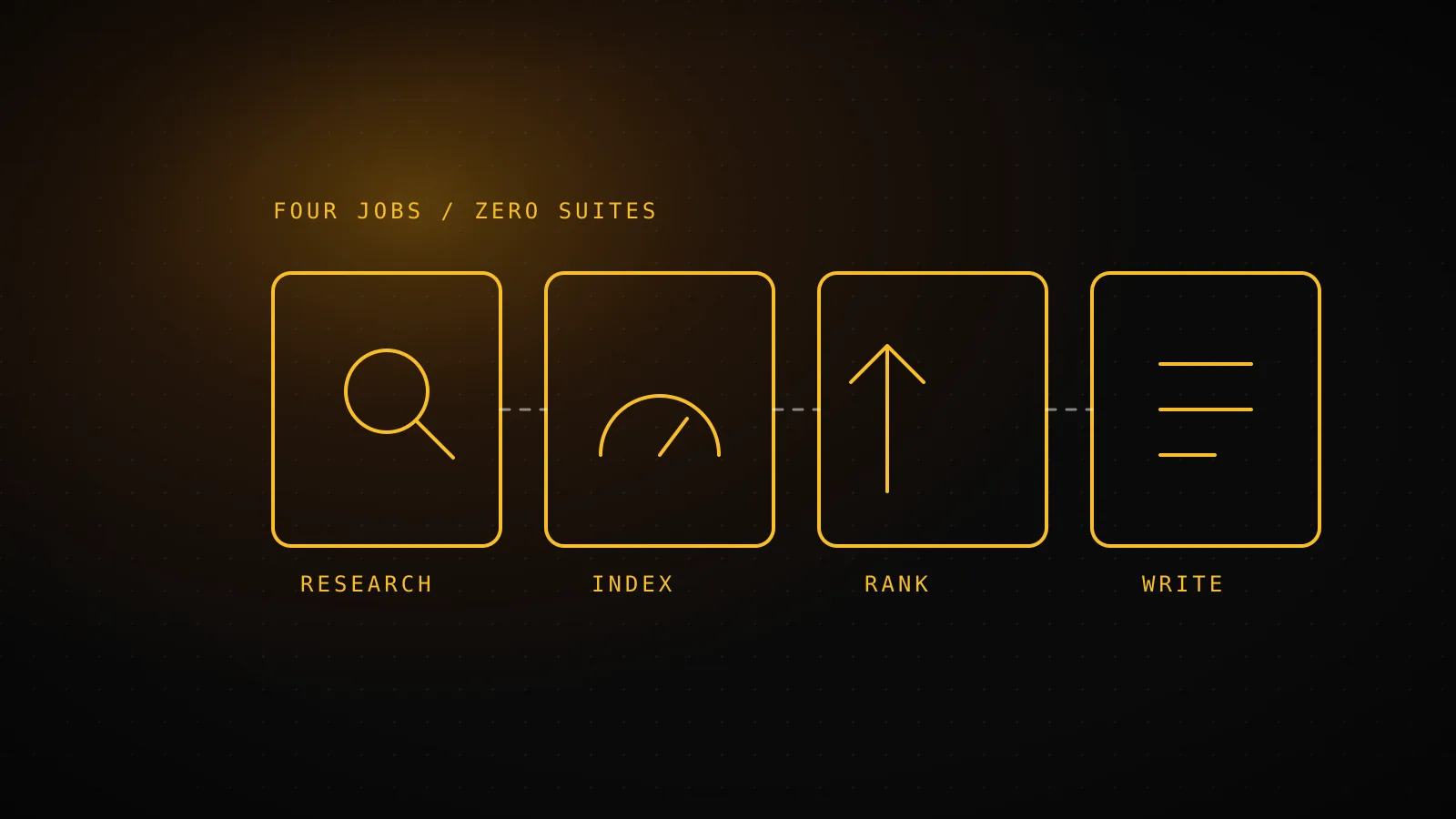
Best SEO tools for beginners: four free picks, and everything you can skip
A beginner needs a tool for four jobs - finding topics, getting indexed, tracking rank, writing. One free pick for each, a skip list, and when automation takes over.
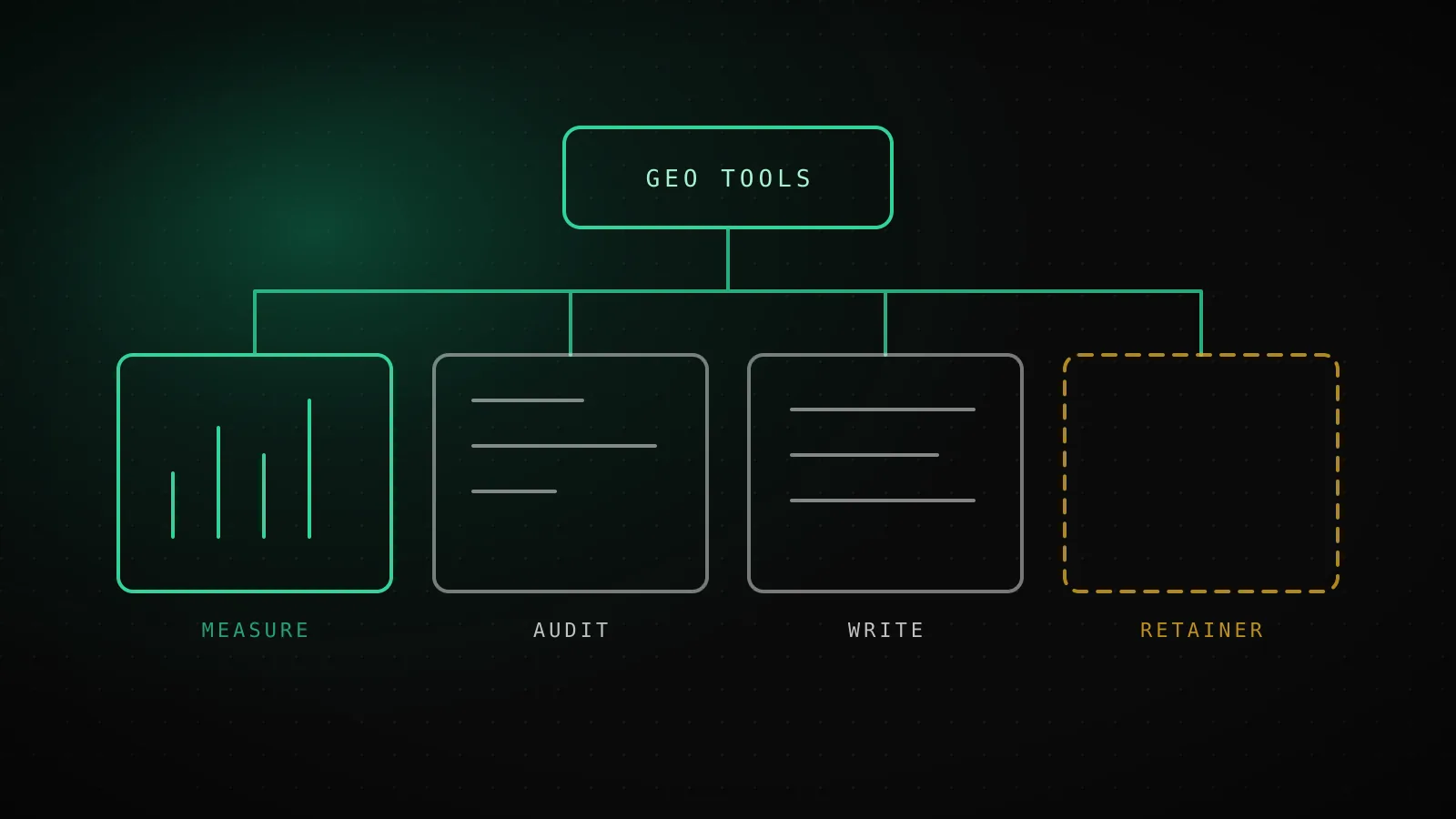
Generative engine optimization tools: what each kind does, and the one you need first
GEO tools sort into four jobs - measuring citations, auditing pages, generating content, agency retainers. What each does, what Google and Bing already give you free, and the smallest stack worth running.
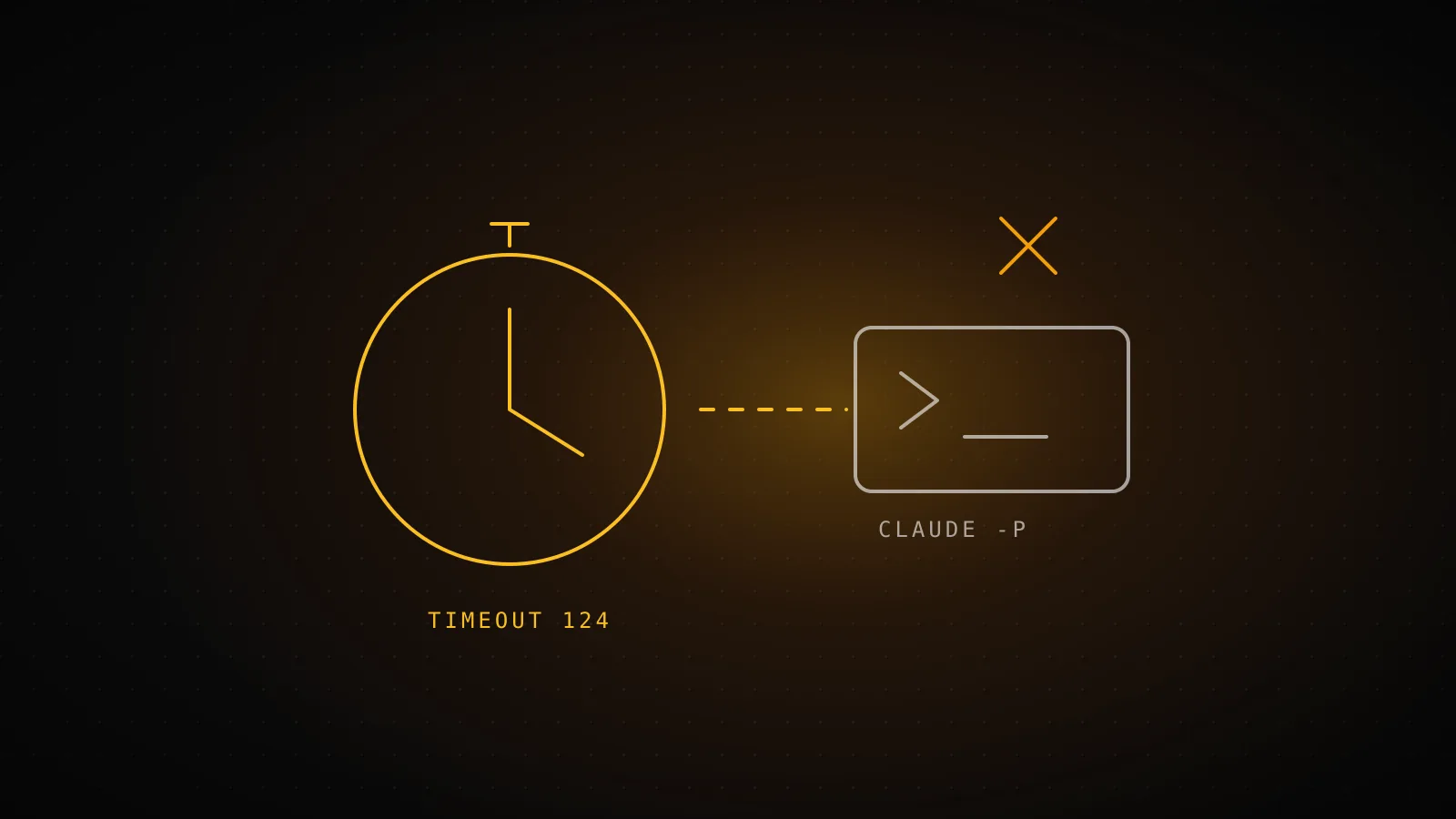
Claude Code timeout: which of six clocks killed your run, and the setting that moves each
The two-minute Bash limit, the ten-minute API timeout, MCP idle windows and more - what each Claude Code timeout is, the env var that changes it, and how to make a timed-out unattended run report itself.
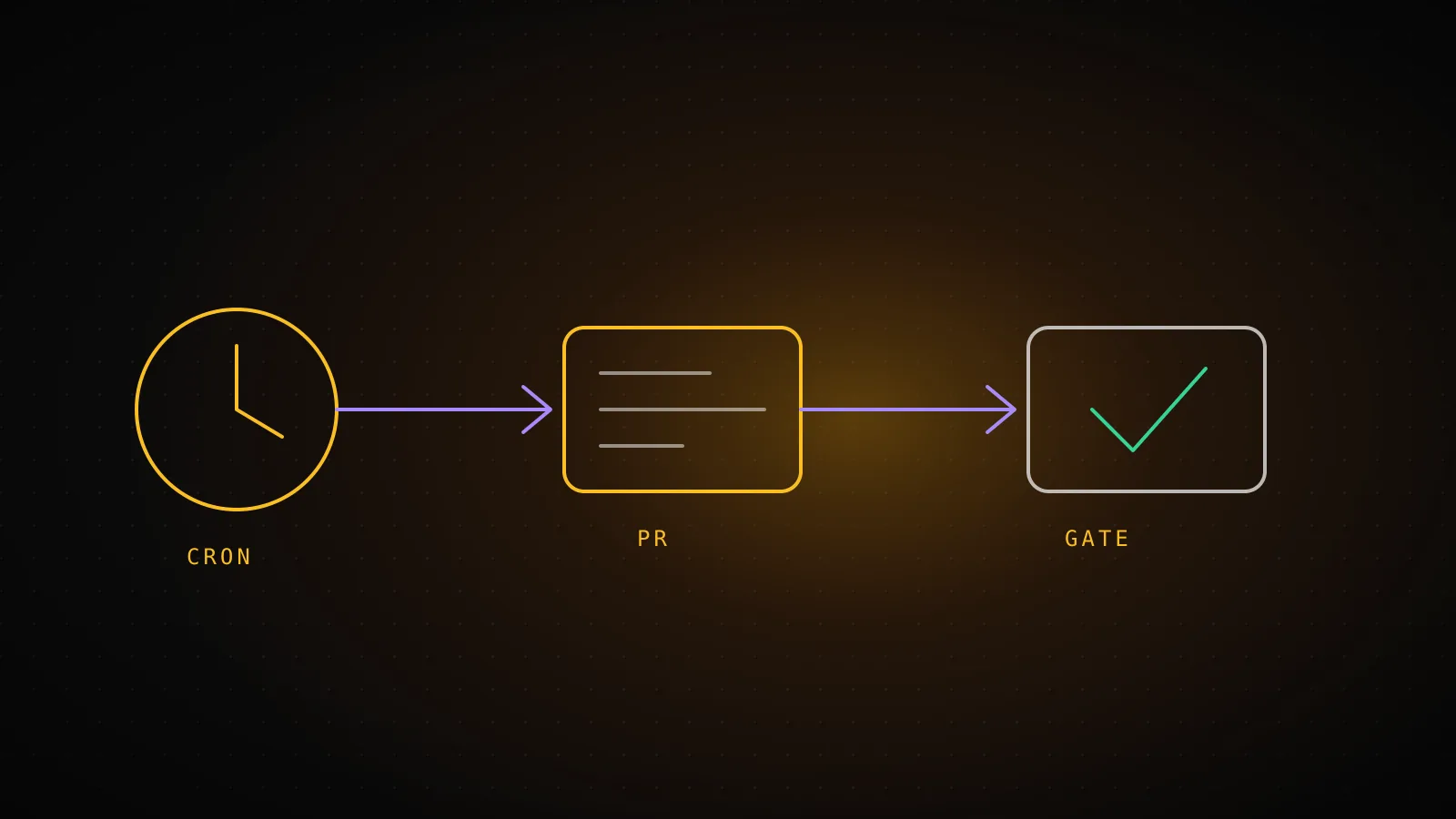
Claude Code automation: what to hand off to a schedule, and what still needs you
Which jobs are safe to run on a schedule with Claude Code, which need a gate, and which stay yours - with the three ways to start an unattended run and the numbers from 75 agent PRs on this site.
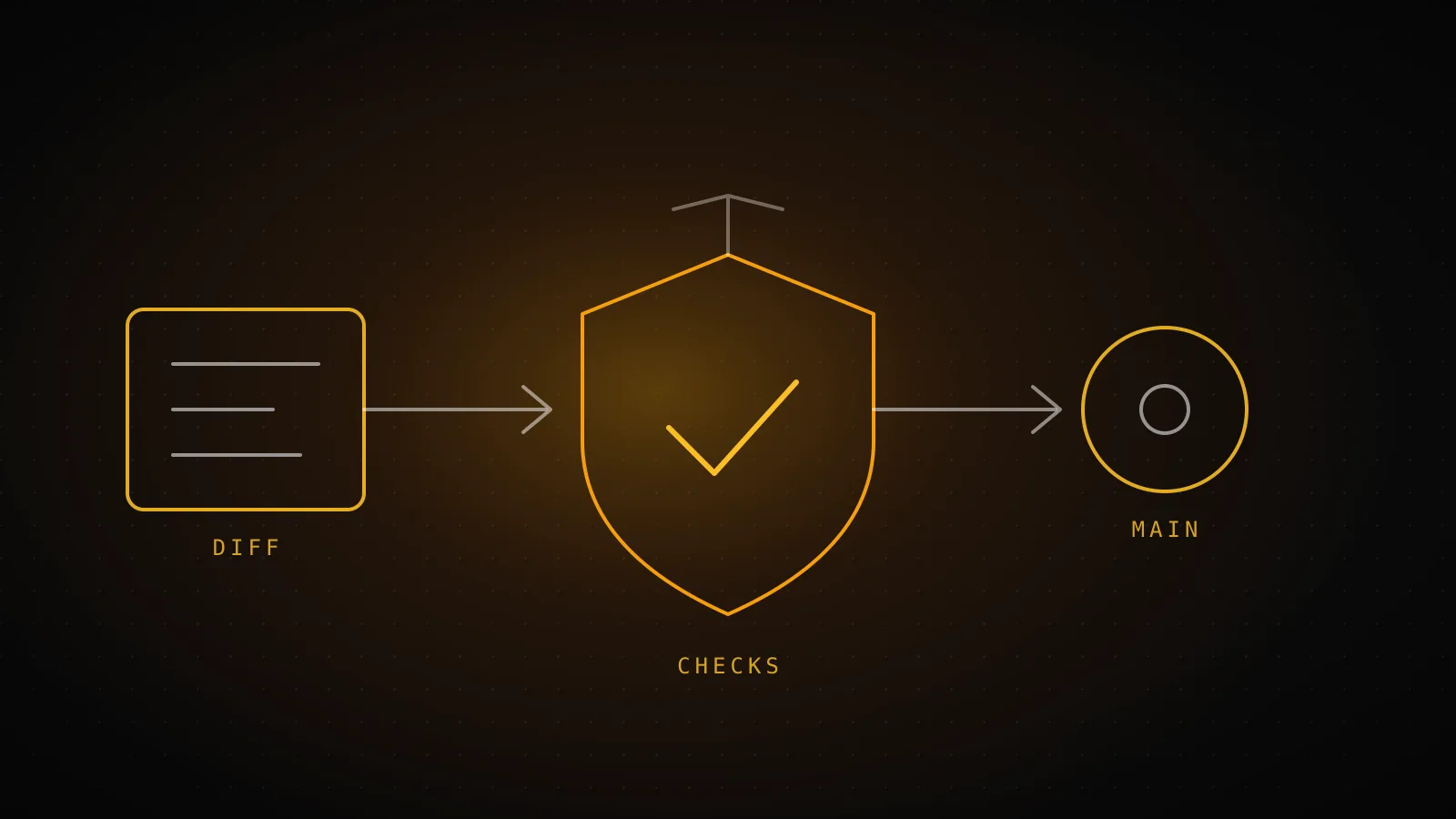
Claude Code security review: why an agent that merges its own PRs needs a gate
What /security-review reads, what it can't stop, and what a merge gate has to do instead - with the numbers from 40 agent-authored PRs that merged unattended on this site.
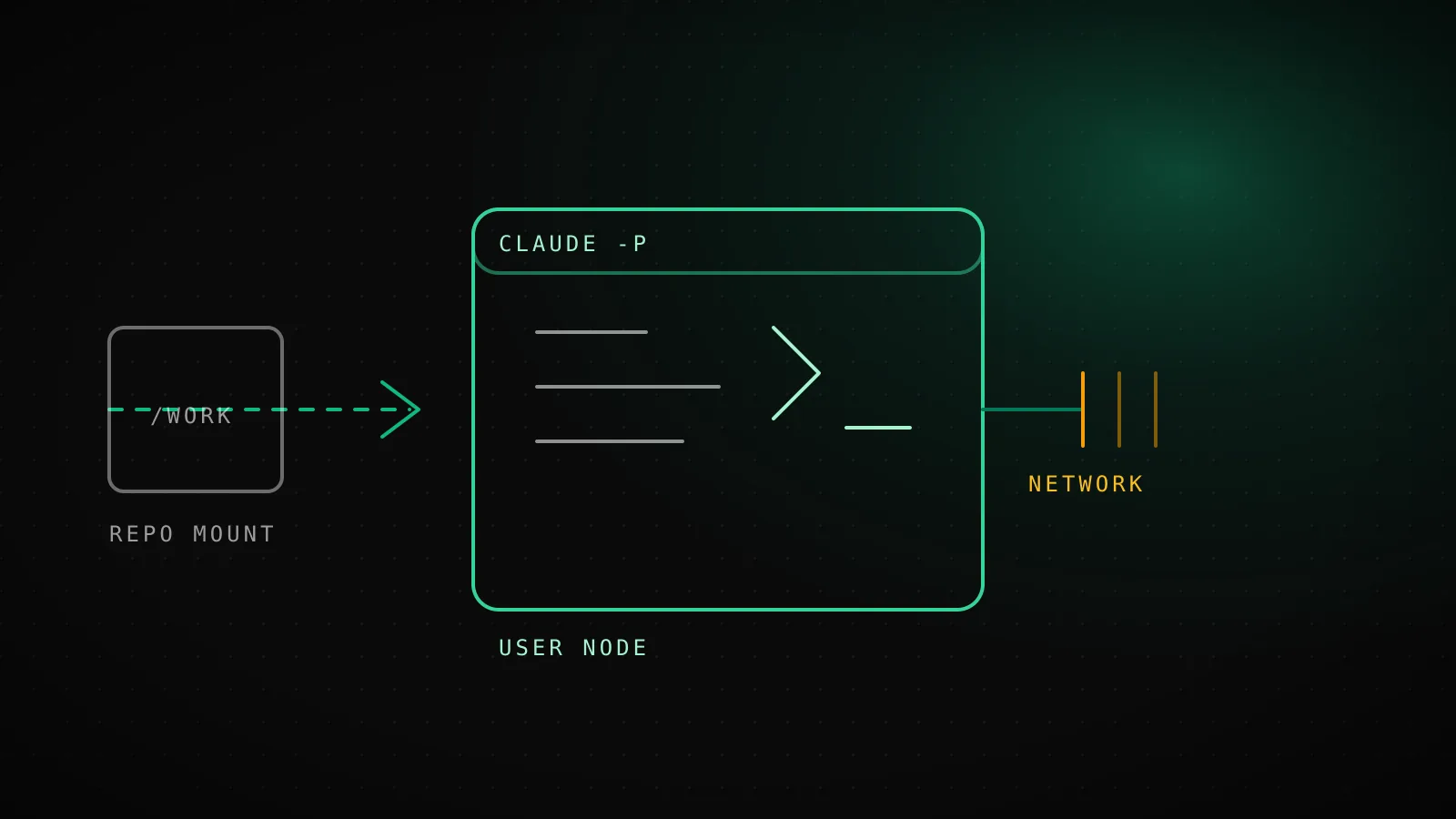
Claude Code in Docker: a tested Dockerfile for unattended runs
A ten-line Dockerfile that runs claude -p as a non-root user, how to pass the token without baking it into the image, and the bind-mount permission error that stops most first attempts.
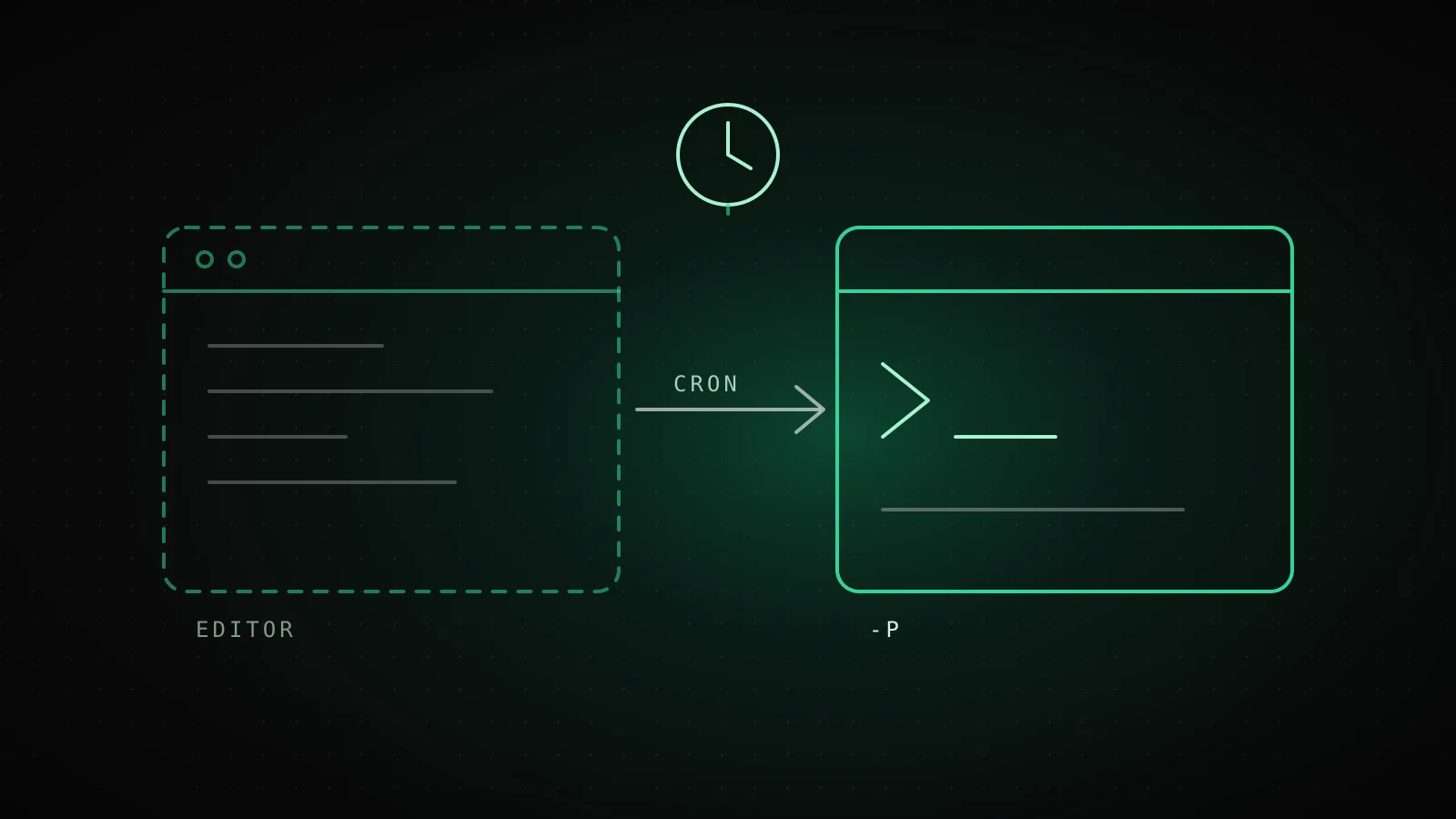
Claude Code vs Windsurf: which one survives running unattended
Windsurf is now Devin Desktop, and the part a cron job can call is its terminal CLI. Checked against the current Devin docs and a real claude -p run - headless flags, approval modes, MCP config and the gaps each side leaves.
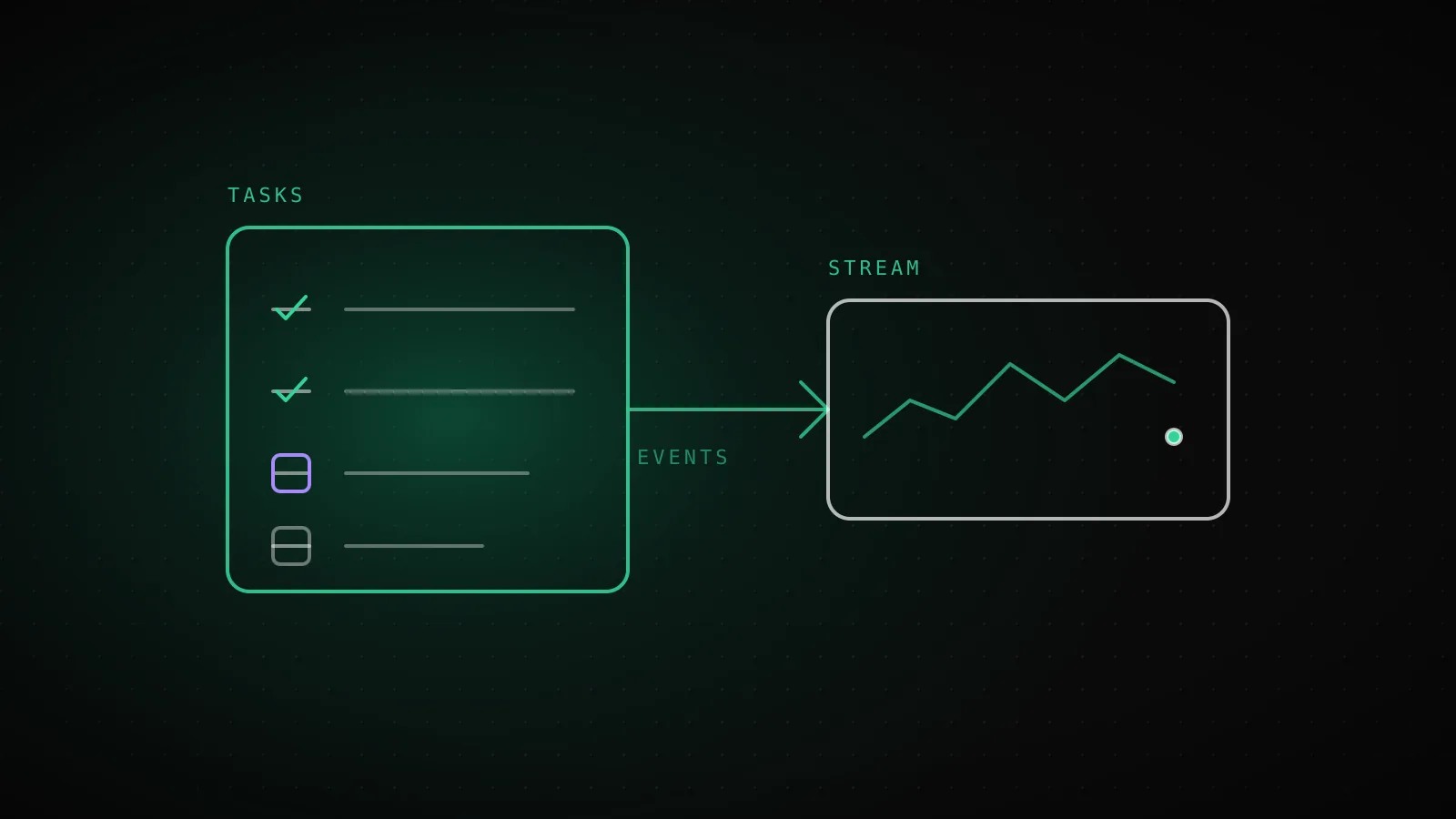
Claude Code tasks: the checklist an unattended run keeps, and what it can't prove
What Claude Code's task list is, which models get it by default, how to read TaskCreate and TaskUpdate events out of claude -p, and why a checked-off item isn't proof the work happened.

Claude Code fast mode: what it trades away, and when a scheduled run should skip it
Fast mode runs the same Opus up to 2.5x faster for a higher per-token price. What it costs, what blocks it, and which unattended jobs should leave it off.
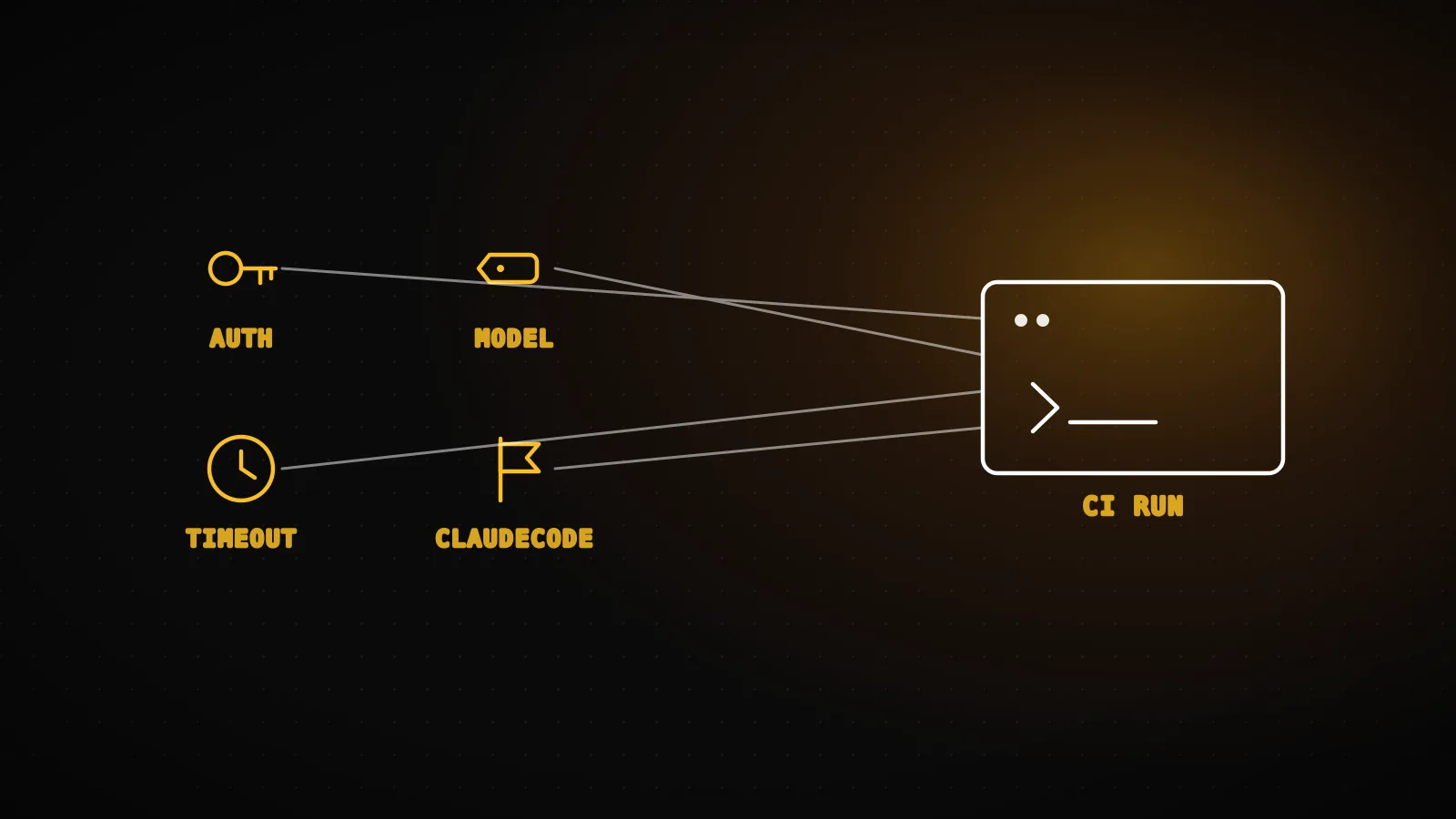
Claude Code environment variables: what a headless CI run actually needs set
Claude Code documents more than 60 environment variables. A headless CI run only needs a handful - which ones, how they beat settings.json, and a tested GitHub Actions job that sets them right.
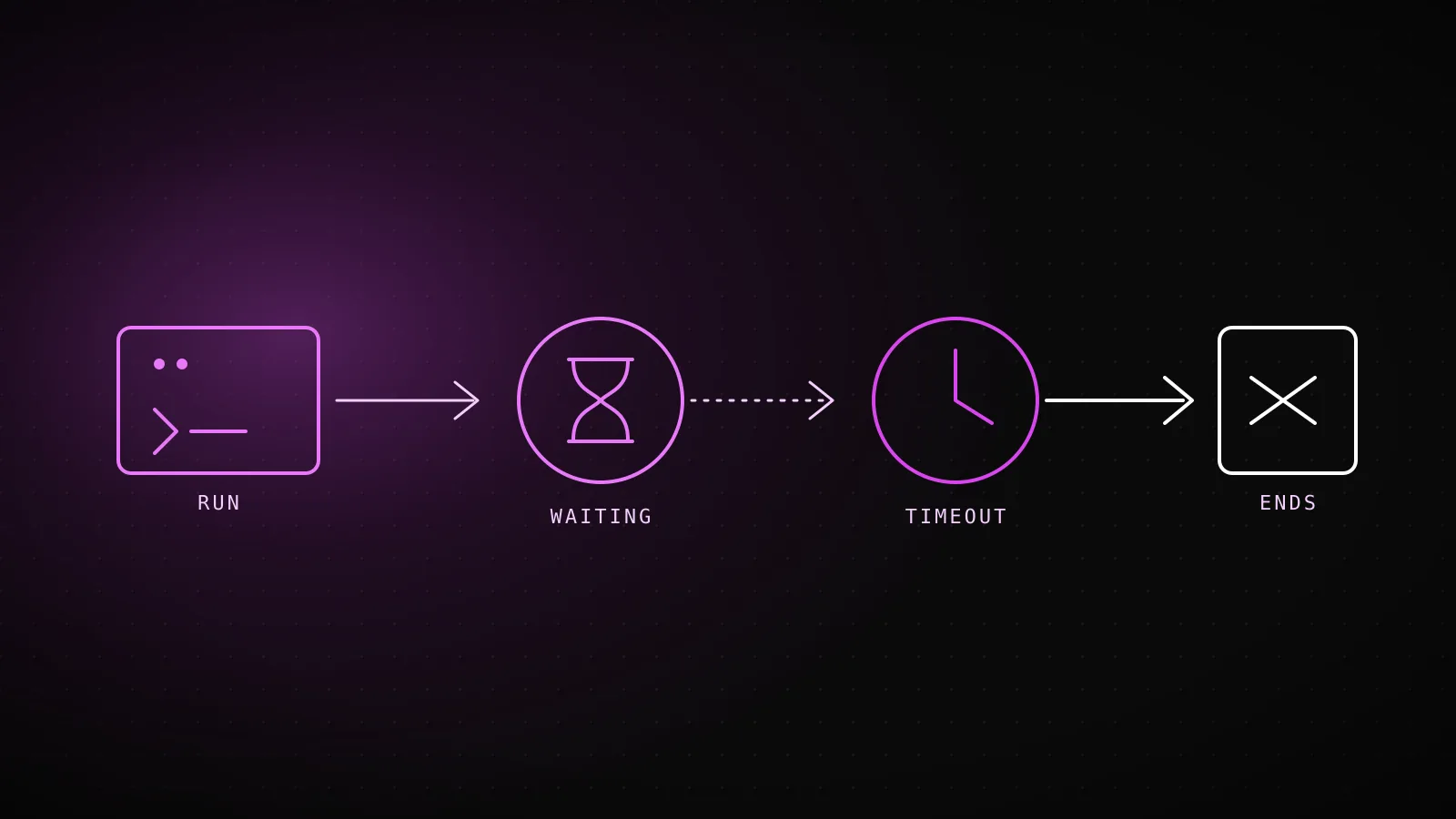
Claude Code is stuck: why it hangs mid-run and how to build in a timeout
Why a Claude Code run looks frozen - a dead permission prompt, an MCP call with no timeout, or a step that's just slow - and the exact flags and timeouts that end each one instead of a blind restart.
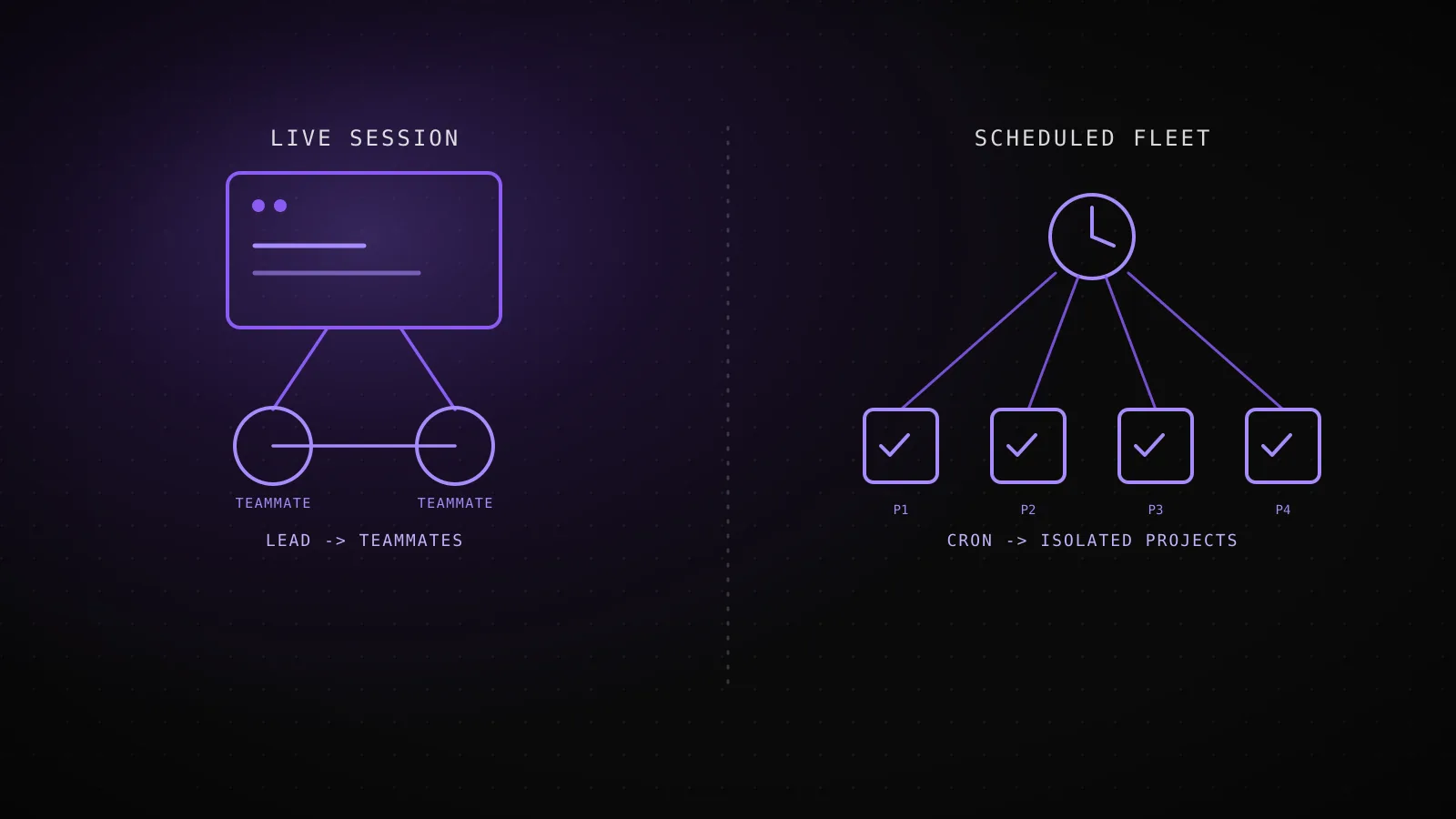
Claude Code multi-agent orchestration: agent teams vs. a scheduled fleet
Two different Anthropic products both answer to "multi-agent orchestration," and neither one is what runs this site's own daily builder. What agent teams and Managed Agents orchestration actually do, and why a scheduled fleet of single agents is the shape that survives running unattended.
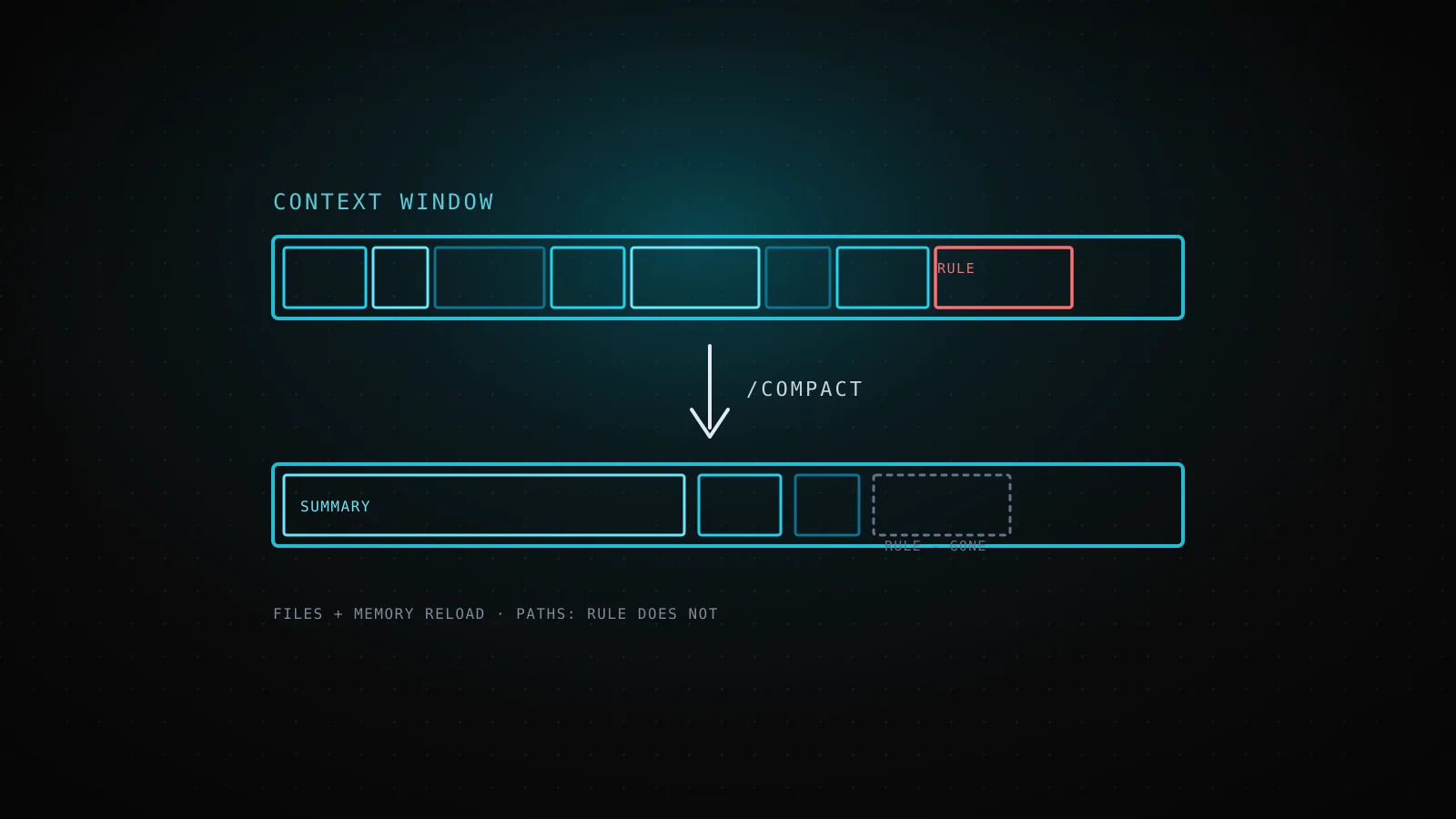
Claude Code auto-compact: what it silently drops from an unattended run
What auto-compact actually keeps and discards when a Claude Code session crosses its token threshold, and why the gaps that don't matter interactively are exactly what a scheduled run never notices.
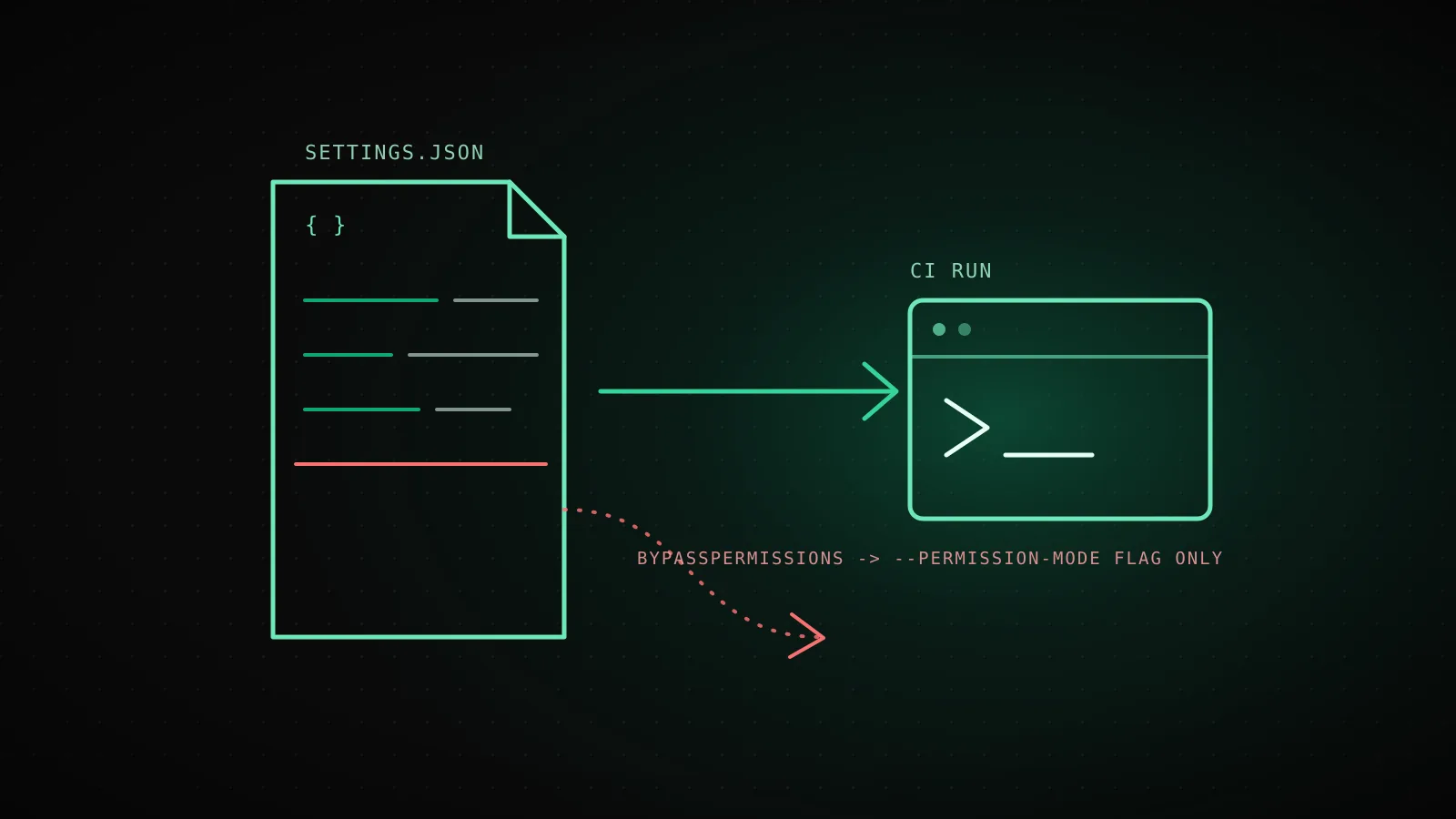
Claude Code settings.json, with real examples for a headless CI run
settings.json, settings.local.json, and managed settings resolve in a fixed order - and one permission mode can't be set from a committed file at all. A working example for CI, and the schema gotchas that bite unattended runs.
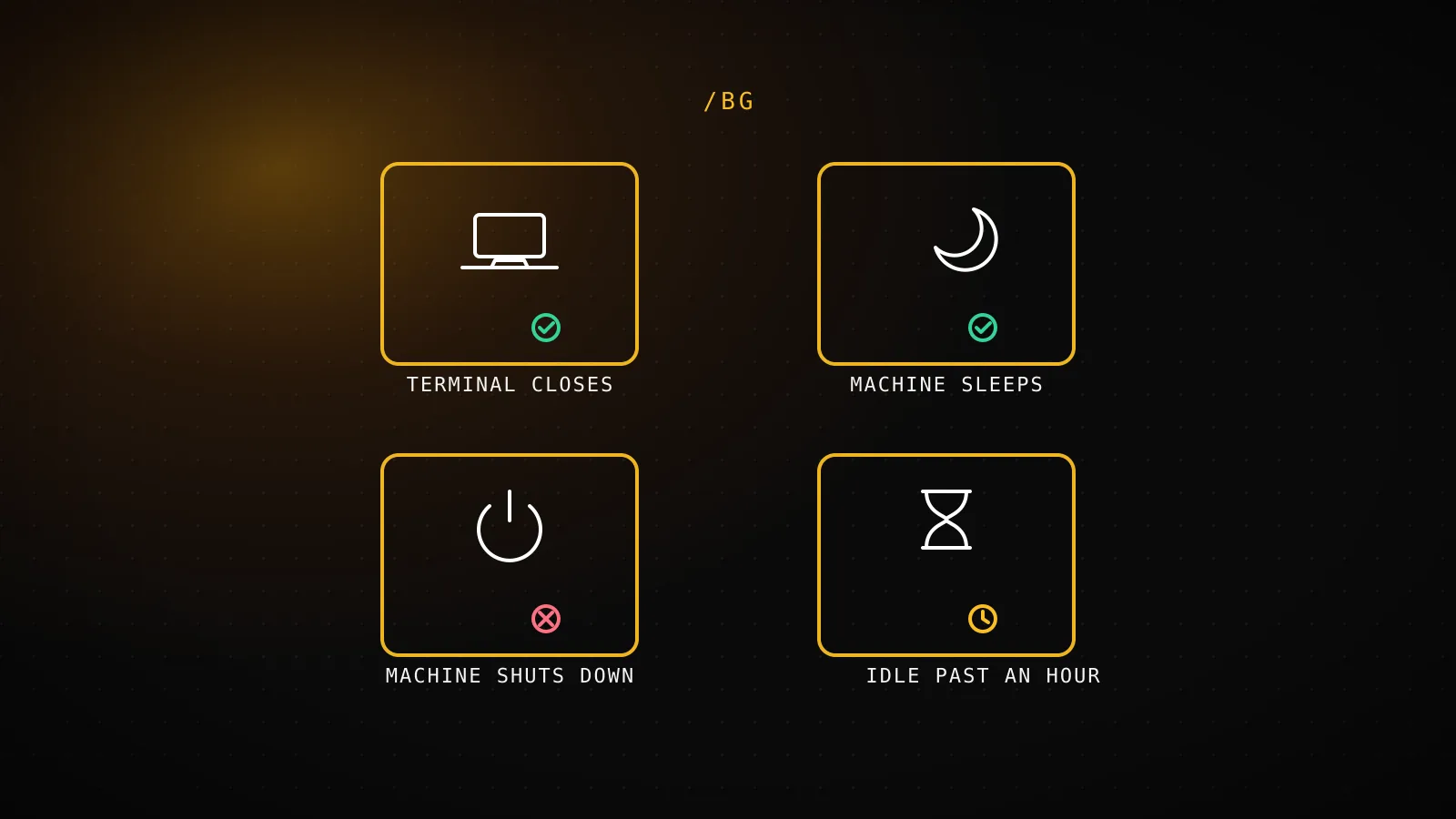
Claude Code background tasks: are they safe for a truly unattended run?
What /bg and the background tasks panel actually survive - sleep, terminal close, a full shutdown, an hour unattended - tested against the docs, plus what to reach for when a background task isn't enough.
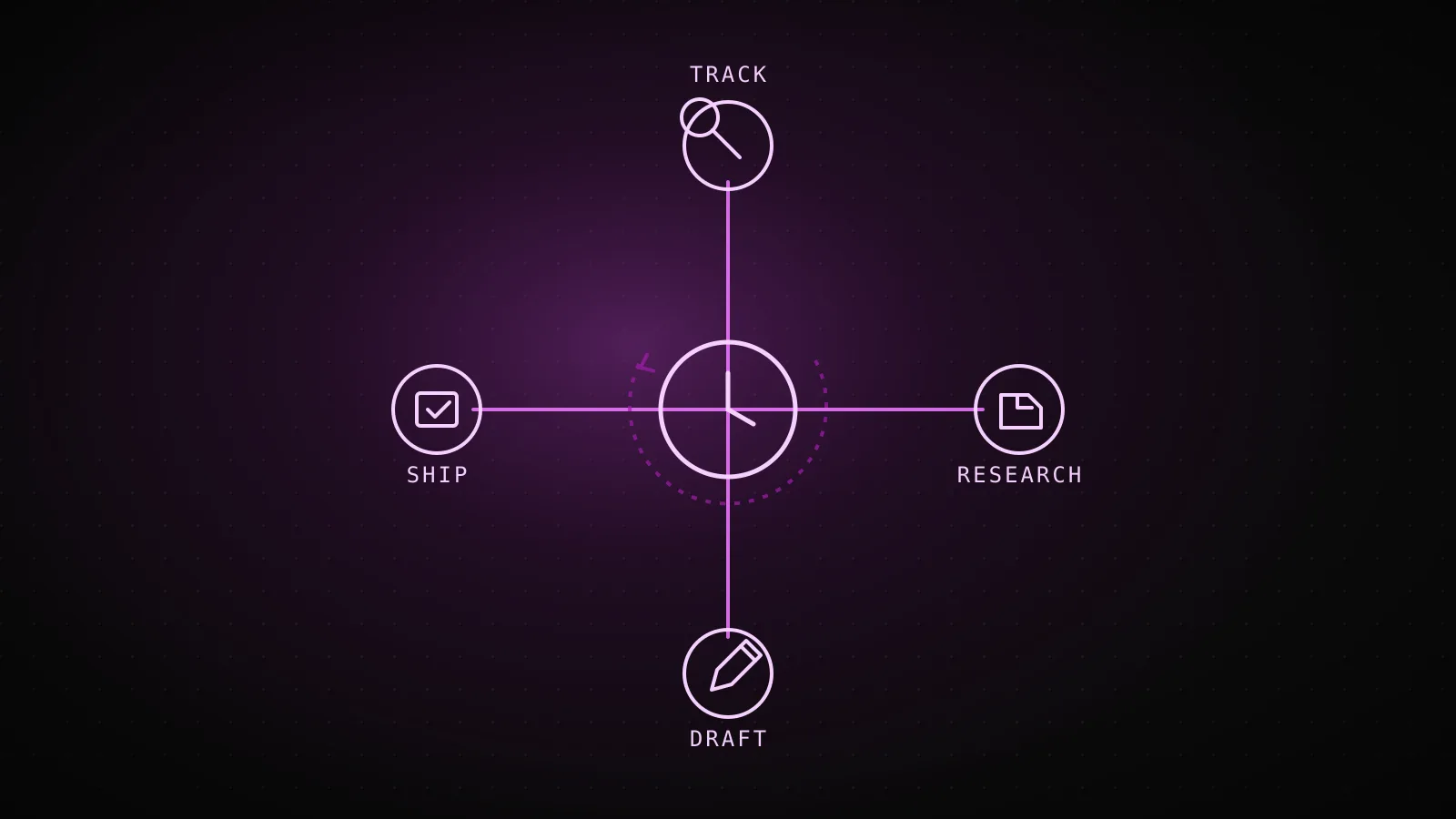
Can you do SEO on your own? Yes - here's what to automate first
Yes, you can do SEO yourself - setup and on-page are one-person jobs. The part that breaks solo projects is the recurring third, and here's the order to automate it in.
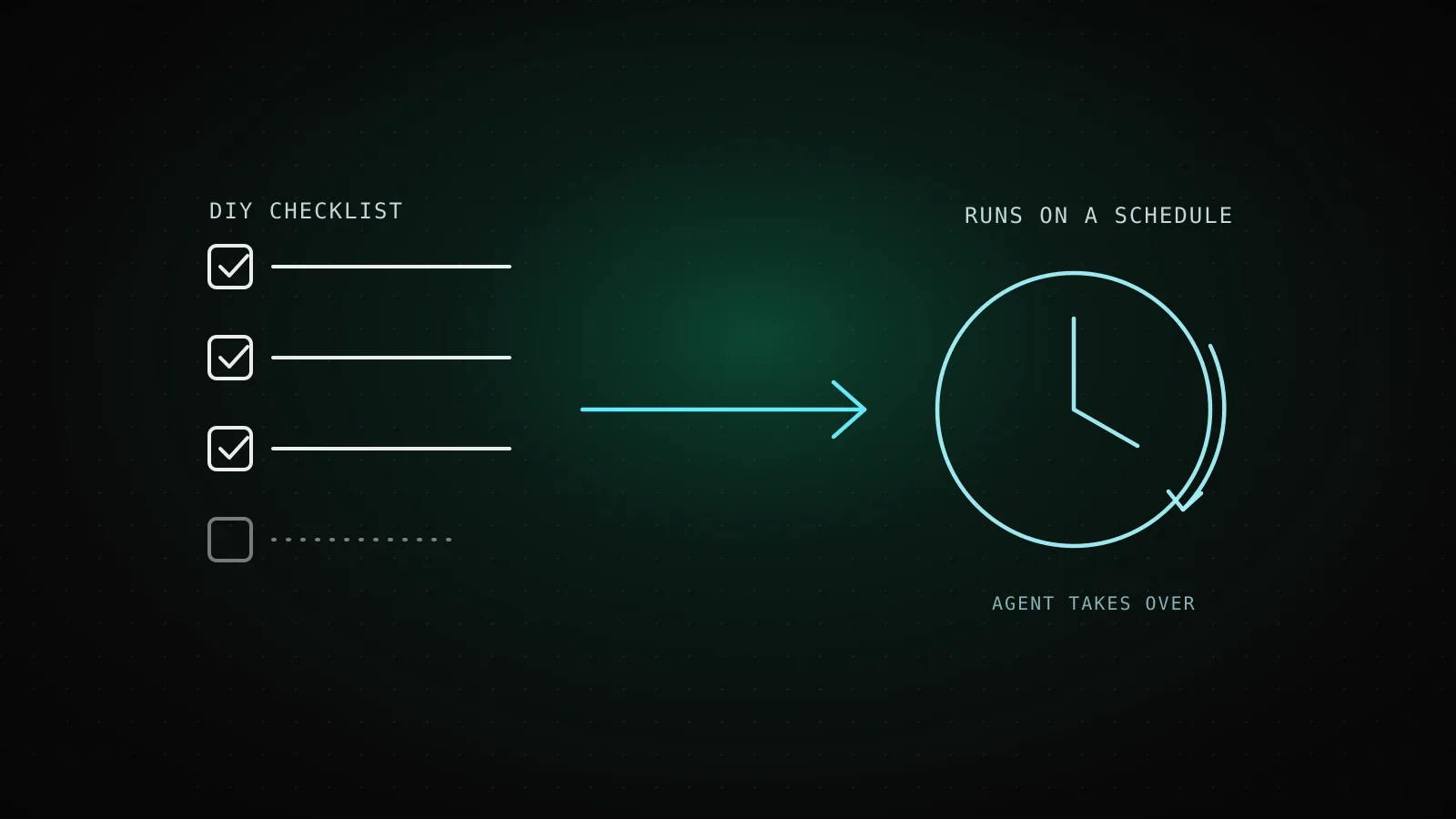
DIY SEO for small business: the checklist, and where an agent can take over
The real DIY SEO checklist for a small business, checked against a live SERP and Google's own starter guide - split into what you do once and what comes back on you every single week.
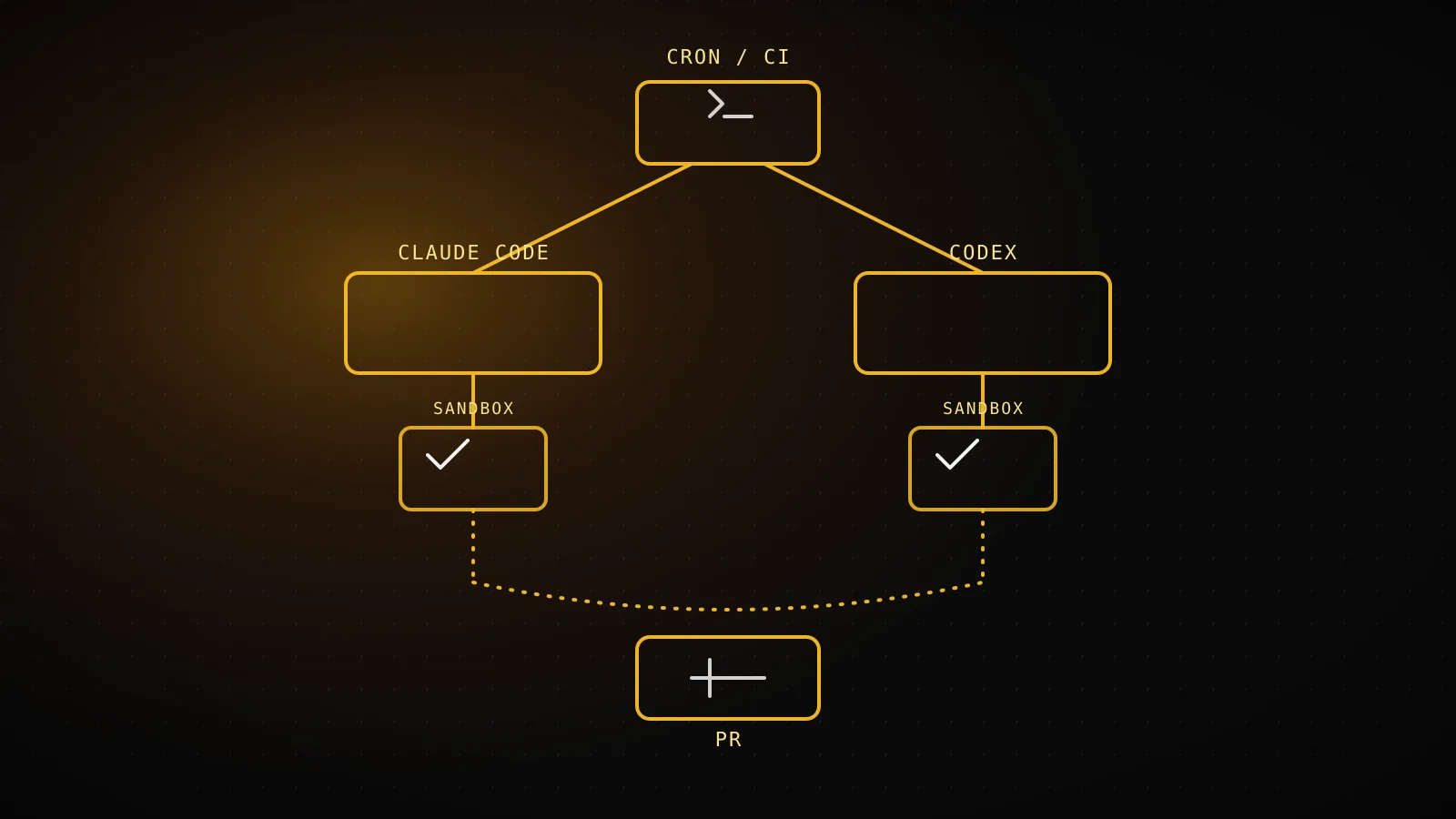
Claude Code vs Codex: which one survives running unattended
Both ship a real non-interactive mode, and both turn out to sandbox it with the same OS primitive - Seatbelt on macOS, bubblewrap on Linux. Checked against each vendor's current docs, with a real claude -p run's exit code and JSON fields from this exact sandbox.
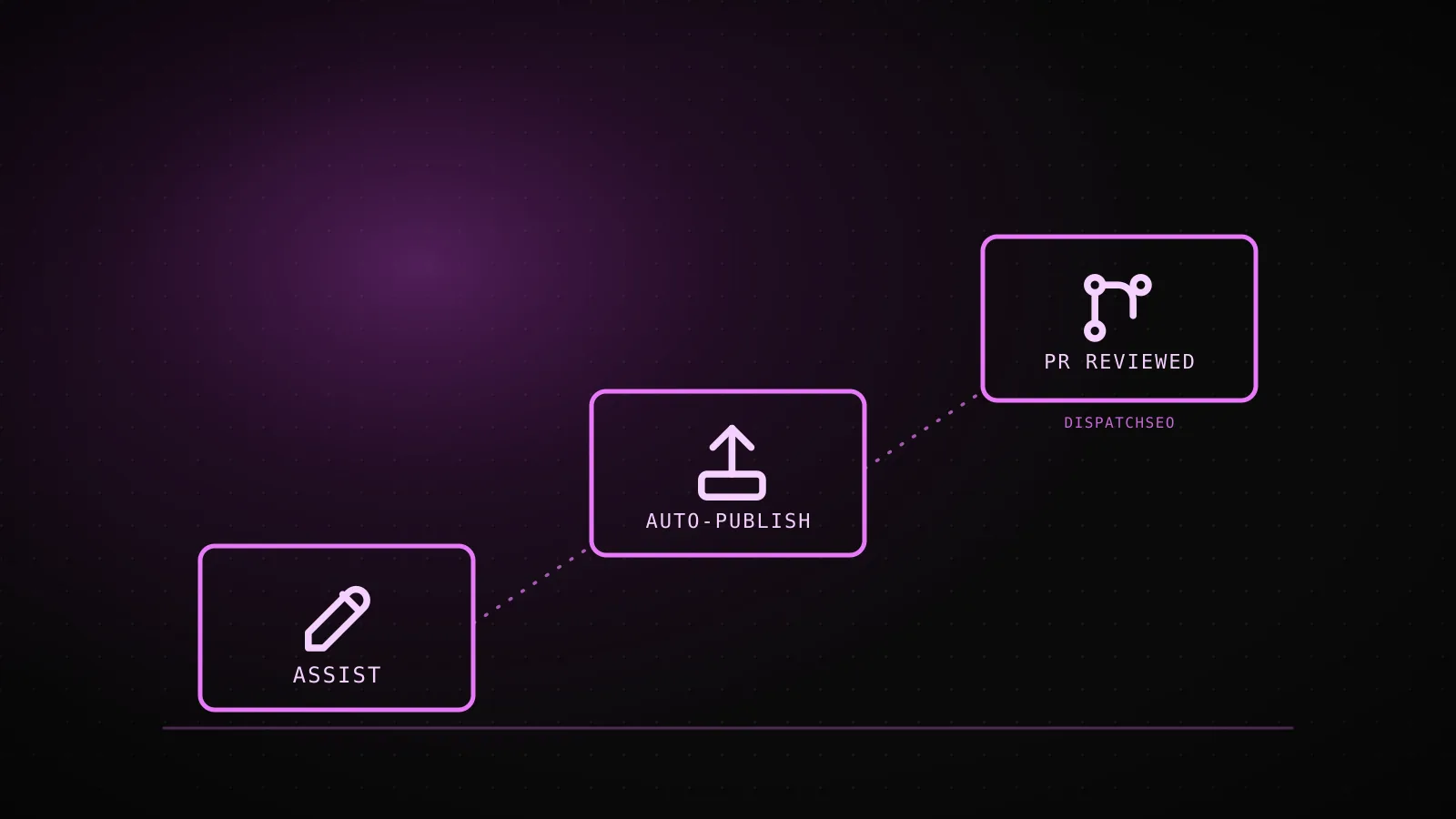
AI-powered SEO tools compared: assistants that suggest vs agents that ship
Every result on page 1 for "ai powered seo tool" claims to use AI - that stopped being a filter years ago. The real split, checked live on each vendor's own site, is what happens the moment a draft is finished.
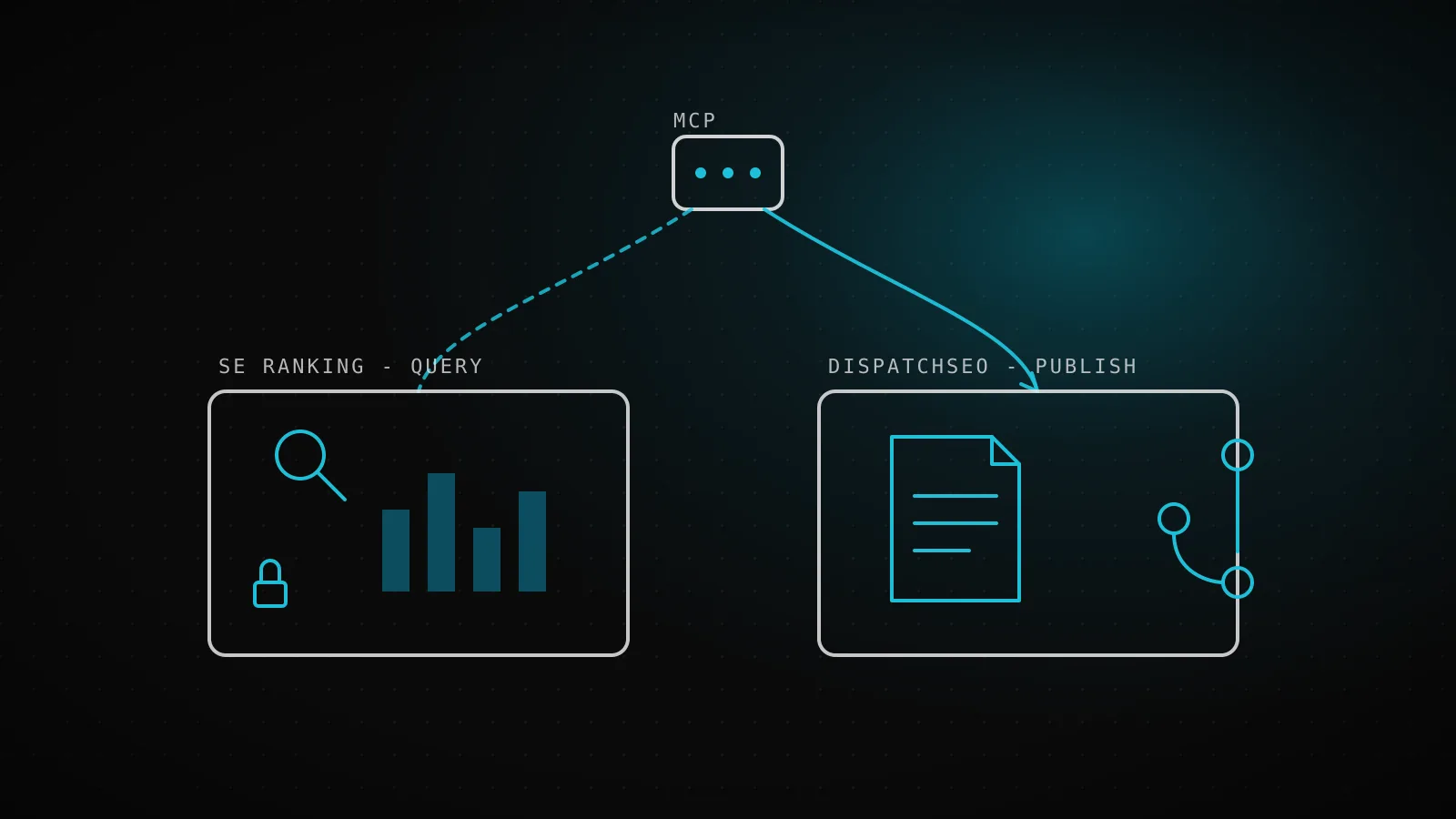
SE Ranking alternative: it added an MCP server too - here's what that does and doesn't change
SE Ranking's own homepage now advertises an MCP integration for querying its dashboard through Claude - the same protocol DispatchSEO runs on entirely. Current pricing verified live, what the MCP surface actually lets an agent do, and this project's own numbers pulled while writing this.
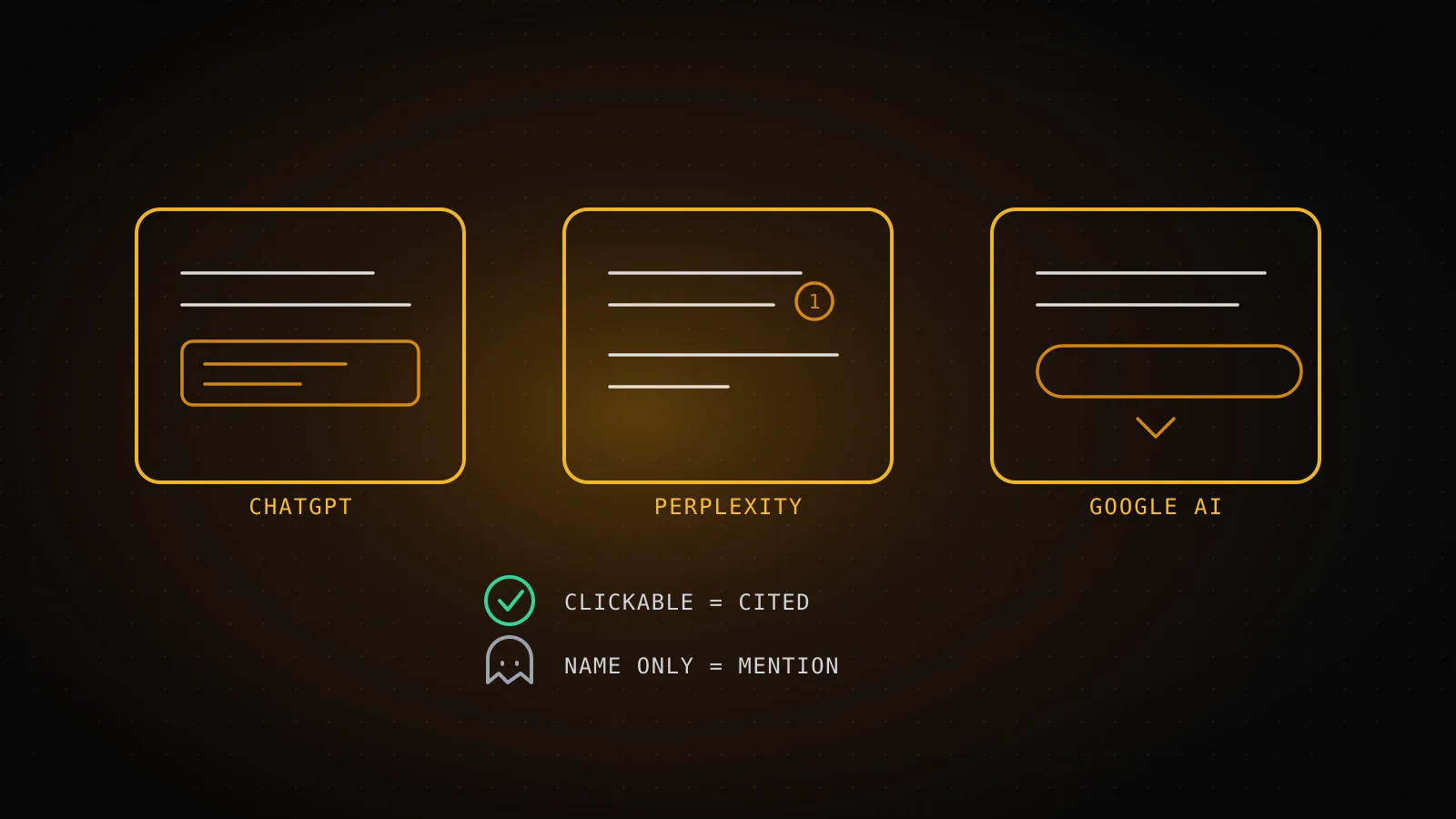
How to check if ChatGPT, Perplexity, and Gemini are citing your website
Three answer engines, three different citation elements - what to actually look for in ChatGPT, Perplexity, and Google AI Overview/Gemini, how to tell a real citation from a hallucinated mention, and the real get_ai_visibility output that automates the check.

How to add skills to Claude Code (and when a skill beats a slash command)
Where a SKILL.md actually goes, the frontmatter field that decides if Claude ever uses it, and what `claude plugin validate` does and doesn't catch - tested against this repo's own shipped skills.
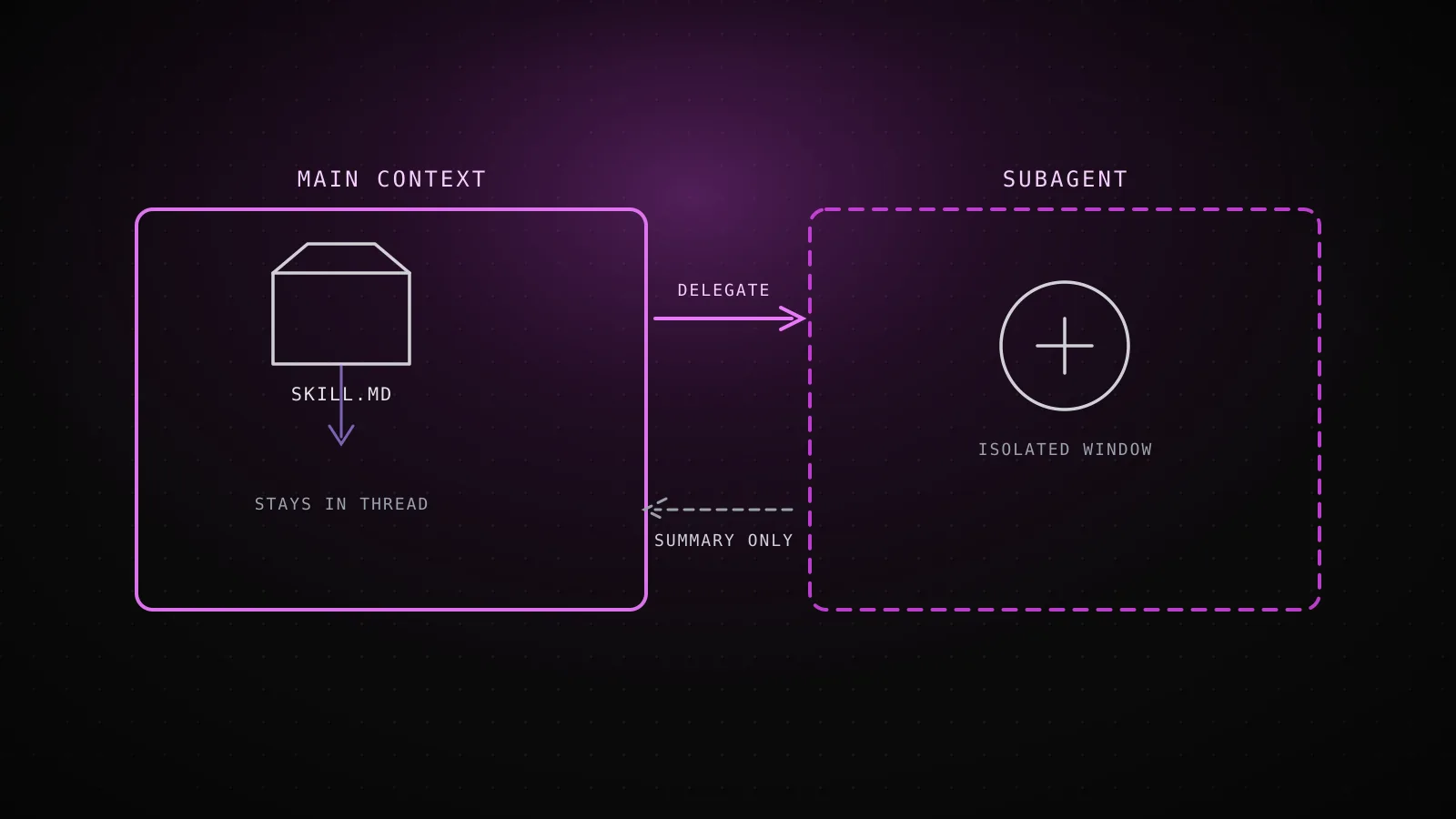
Claude Code agents vs skills: two different ways to make an unattended run reliable
What actually separates a Claude Code skill from a subagent - where each one's output lands, what it costs to have installed, and when to reach for which - grounded in this project's own checked-in pipeline.
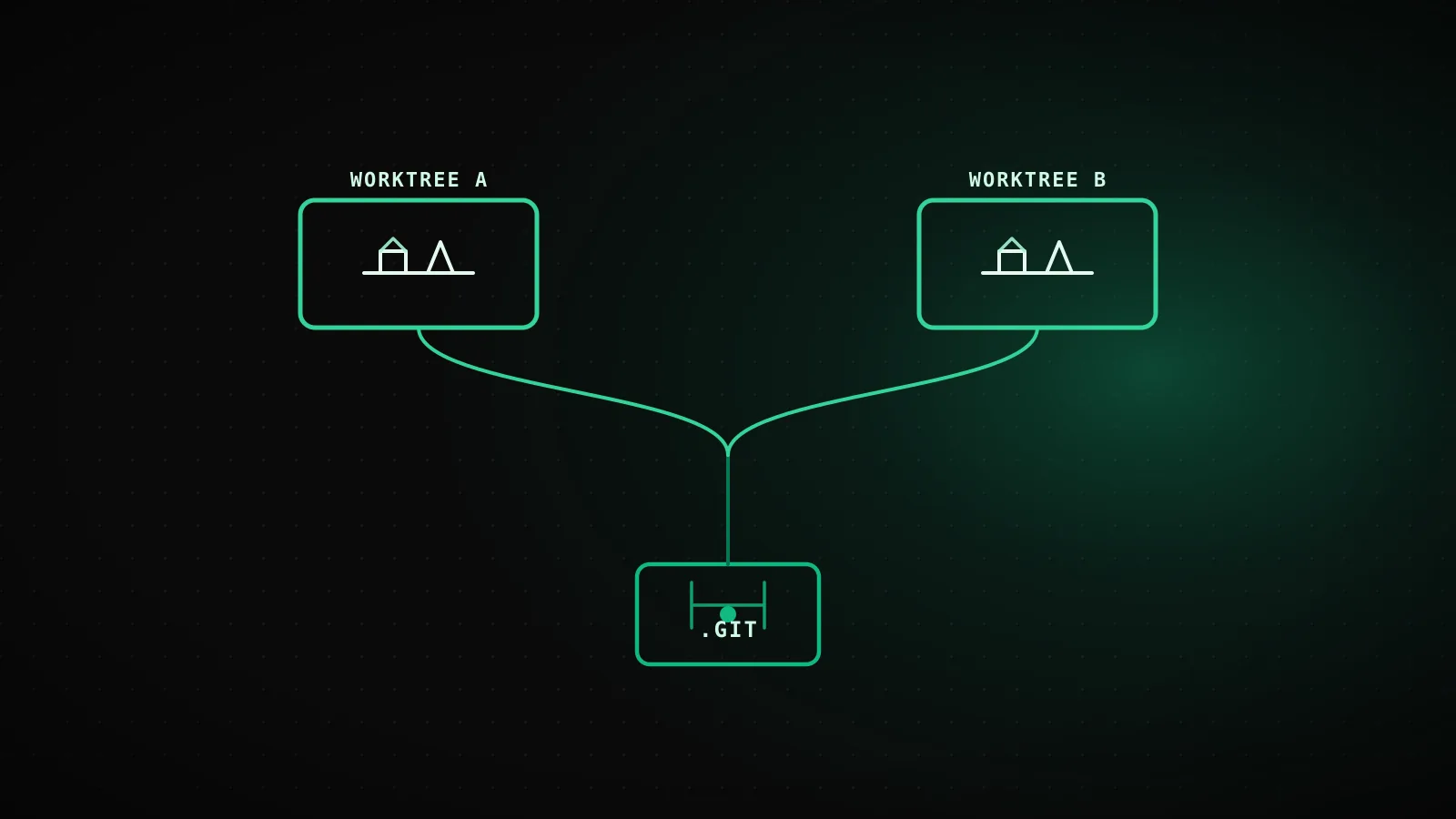
Claude Code git worktree: running parallel unattended builds without them colliding
What a git worktree actually isolates for Claude Code, the four checks that enforce it, and a tested example of two sessions sharing one repo without touching each other's files.
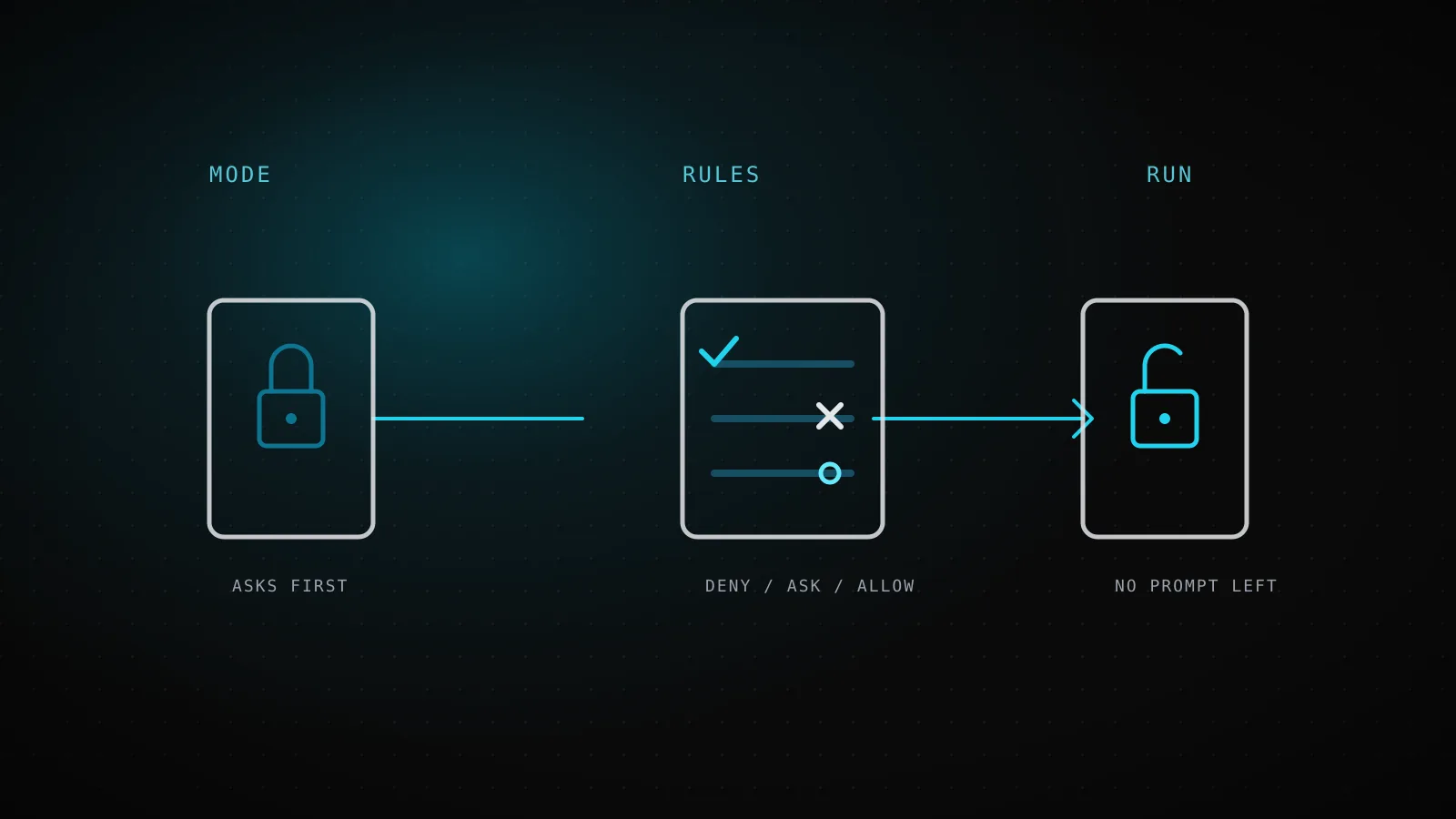
Claude Code permissions: modes, allow/deny/ask rules, and what actually gates a CI run
Permission modes set a baseline; allow/deny/ask rules in settings.json override it per tool and command. The real precedence order, the rule syntax, and the settings.json a CI job needs to run unattended.
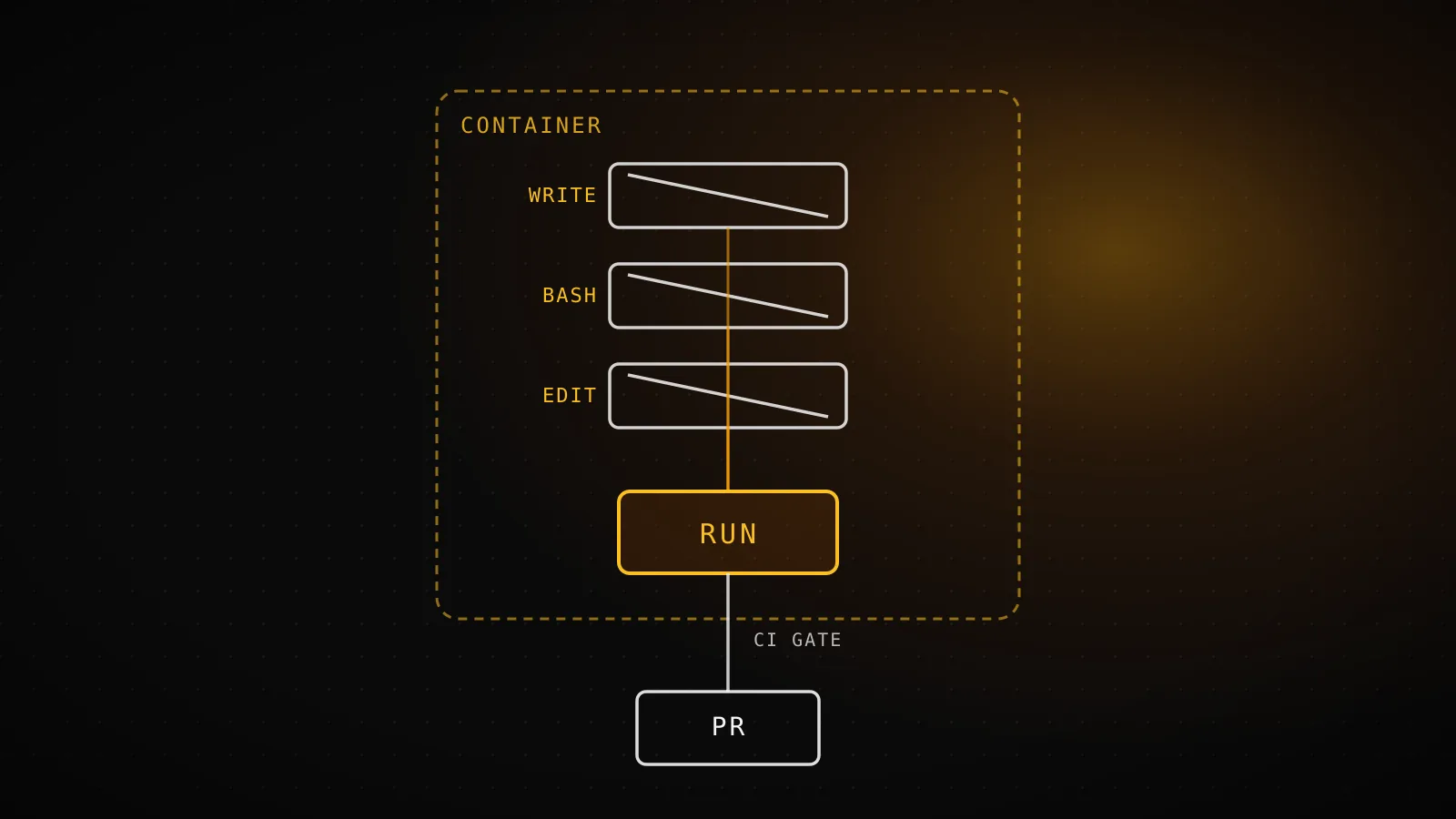
Claude Code bypass permissions: when --dangerously-skip-permissions is actually the right call
What --dangerously-skip-permissions actually turns off, the handful of things it never does, why Claude Code refuses to start it as root, and the three preconditions that make it safe to use anyway.
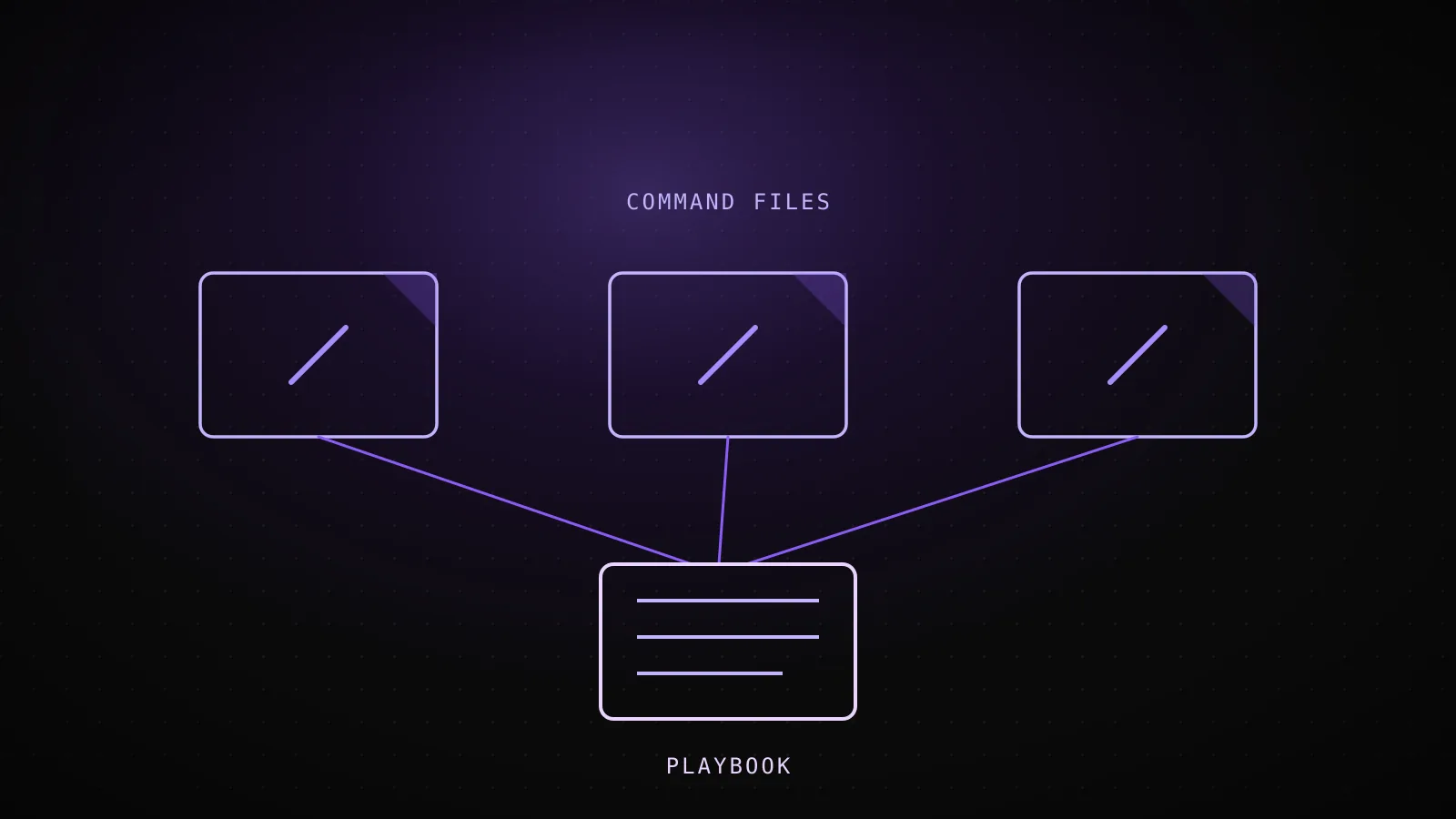
Claude Code slash commands: the reusable playbooks behind an unattended pipeline
What a Claude Code slash command actually is, its frontmatter and $ARGUMENTS syntax, how it differs from a skill or a hook, and the real command files that build this site's own guides.

Claude Code statusline: what to put on it when the agent is running unattended
What the statusline JSON schema actually contains, the fields it flatly can't show (tool name, permission mode, subagent detail), a tested script for cost burn and rate-limit headroom, and how it differs from a hook.
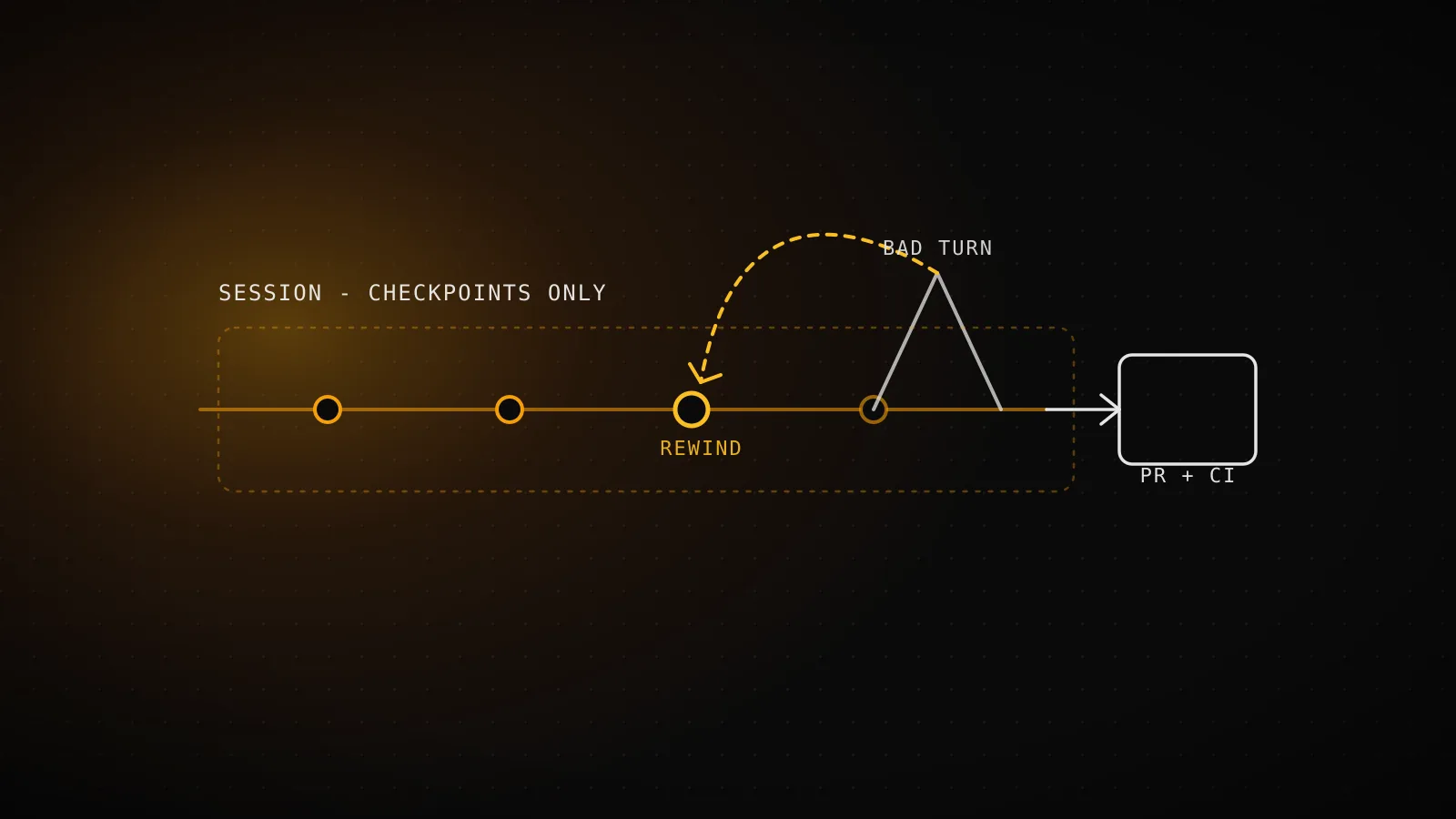
Claude Code checkpoints: the undo button for an agent that just made 40 file changes unattended
What /rewind actually saves, the five things it skips (bash edits, most subagent changes, anything outside the session), and why this project's own unattended builder doesn't lean on it at all.
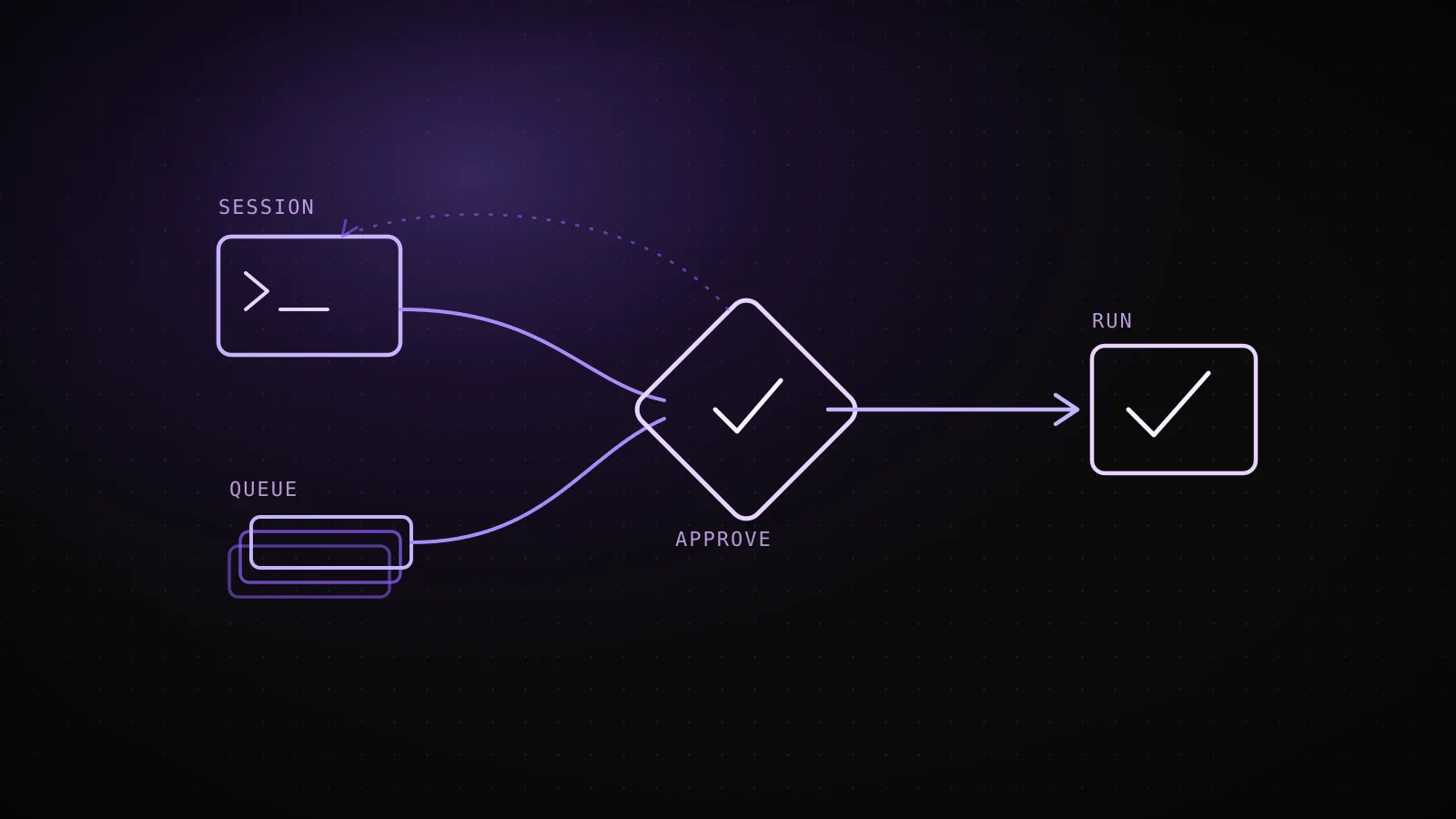
Plan mode in Claude Code, and why DispatchSEO's Semi-automatic projects use the same idea
What Claude Code's plan mode actually blocks, how to enter and approve it, and the same propose-then-approve mechanic running one layer up in DispatchSEO's own Semi-automatic project mode.
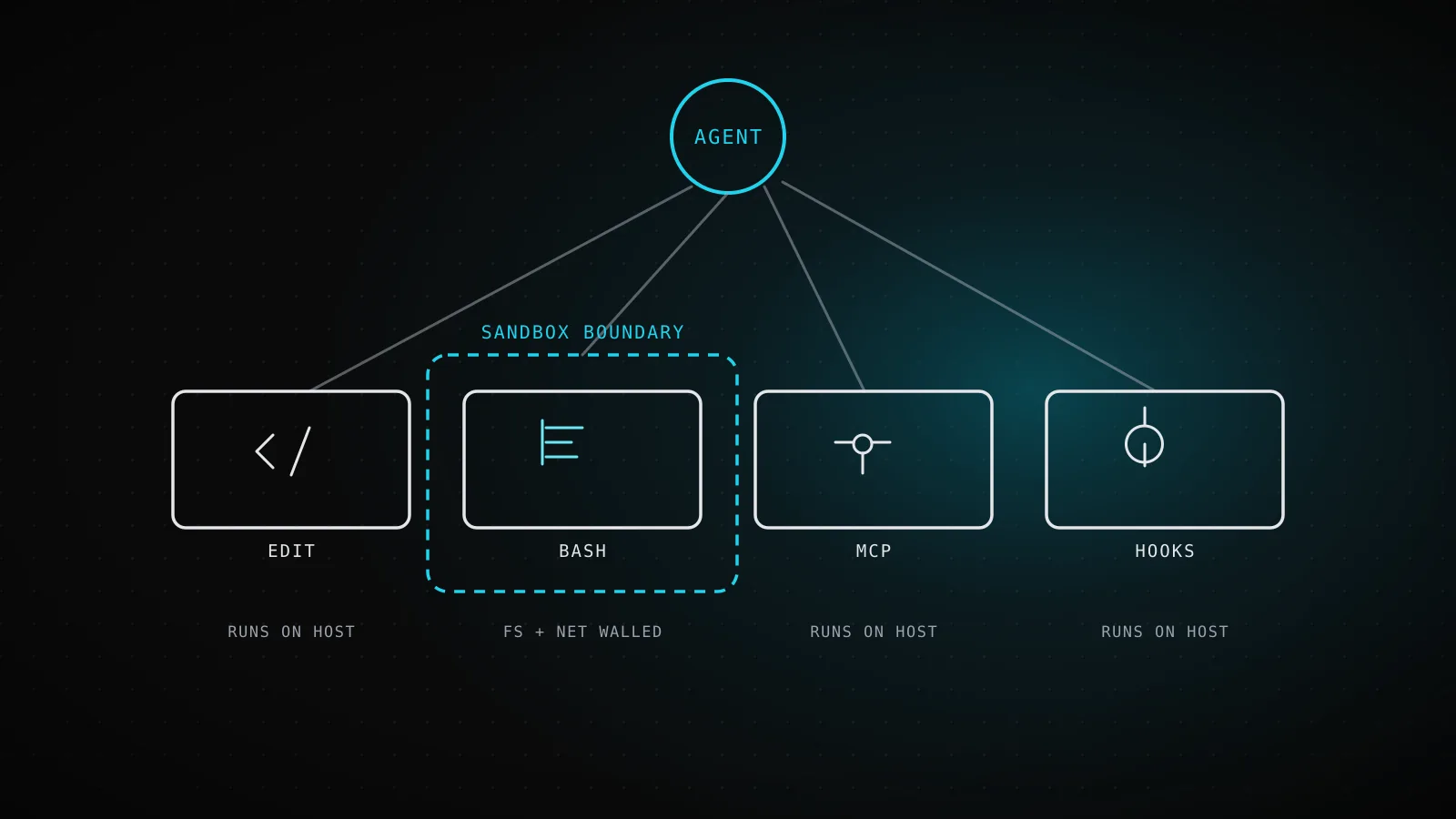
Claude Code sandbox mode: what it actually stops an unattended agent from doing
What the built-in Bash sandbox walls off (and what it doesn't touch at all), checked against Claude Code's current docs and tested on the runner that builds this site's own guides - which can't even start it.
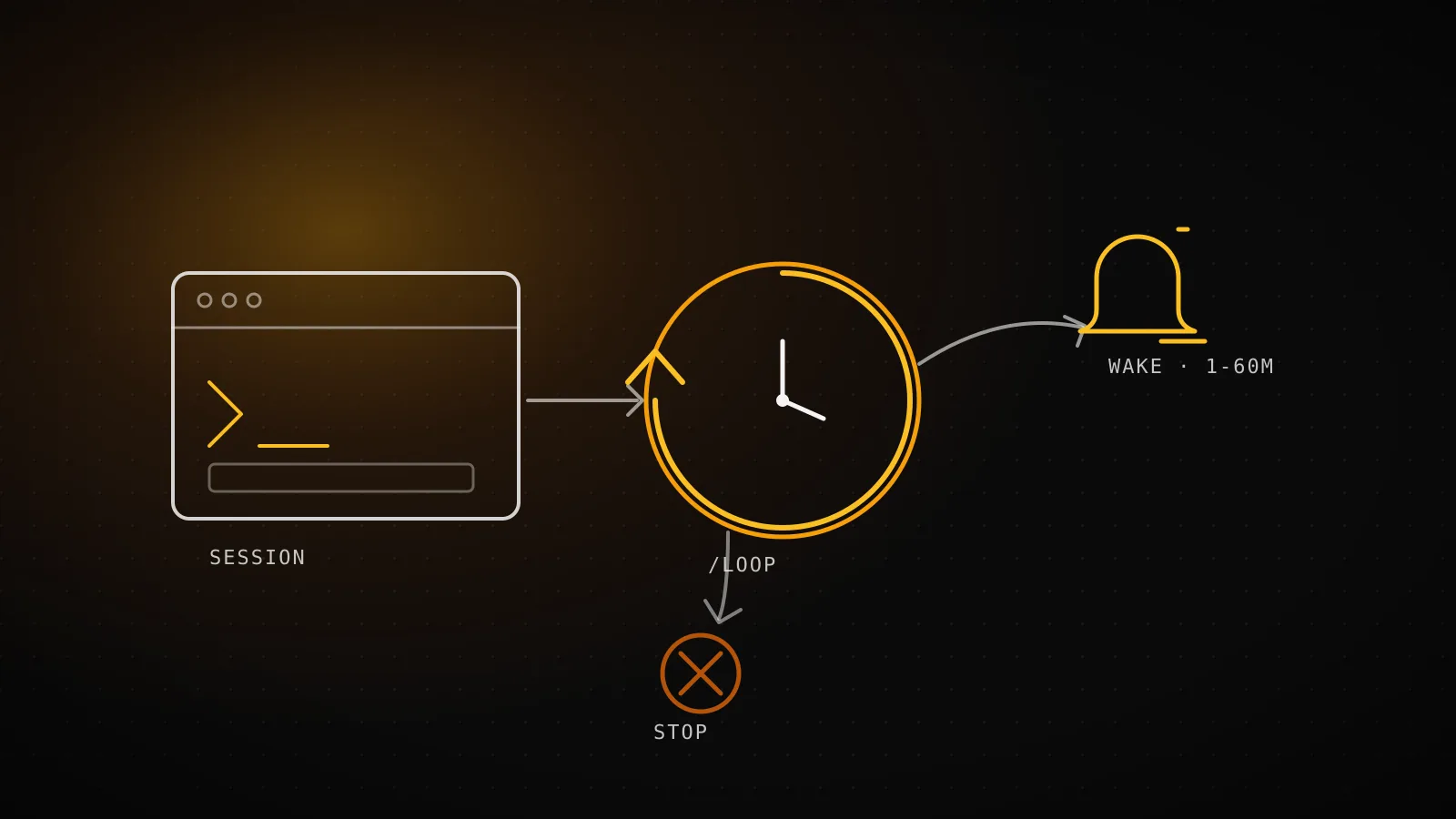
Claude Code's /loop command: what an autonomous loop actually does when nobody's watching
What /loop actually runs between iterations - fixed vs Claude-picked intervals, loop.md, the ScheduleWakeup mechanics behind self-pacing, and where it stops.
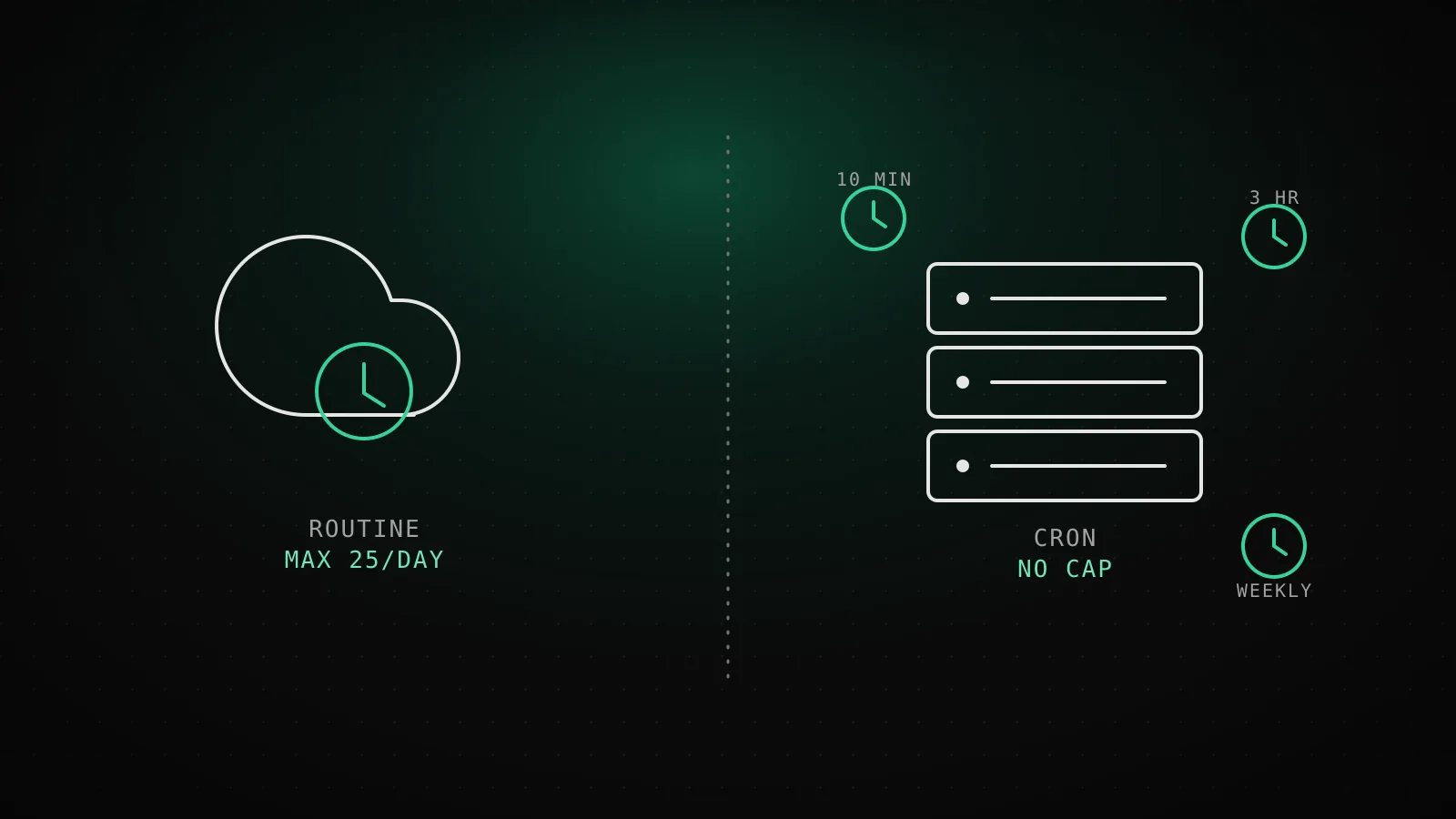
Claude Code routines vs. a real cron job: what's actually different
What a Claude Code routine actually is, the four things a real cron job (Vercel, GitHub Actions) still does that a routine doesn't yet, and DispatchSEO's own twelve-trigger schedule as the worked example.
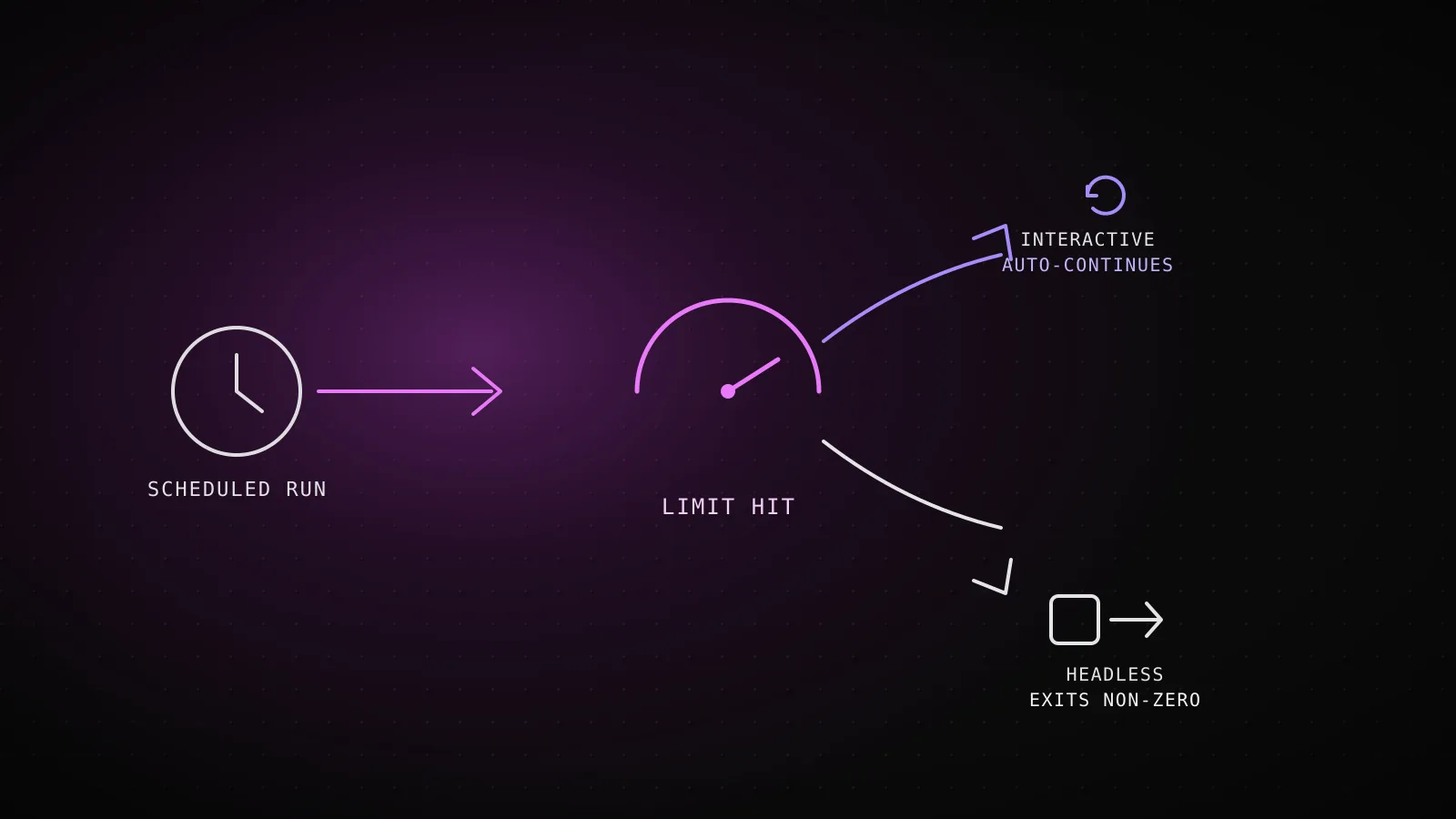
What actually happens when Claude Code hits a rate limit
The four kinds of Claude Code rate limit, what happens in an interactive session versus a scheduled -p run, and the backoff logic that tells a quota wait from an actual failure.
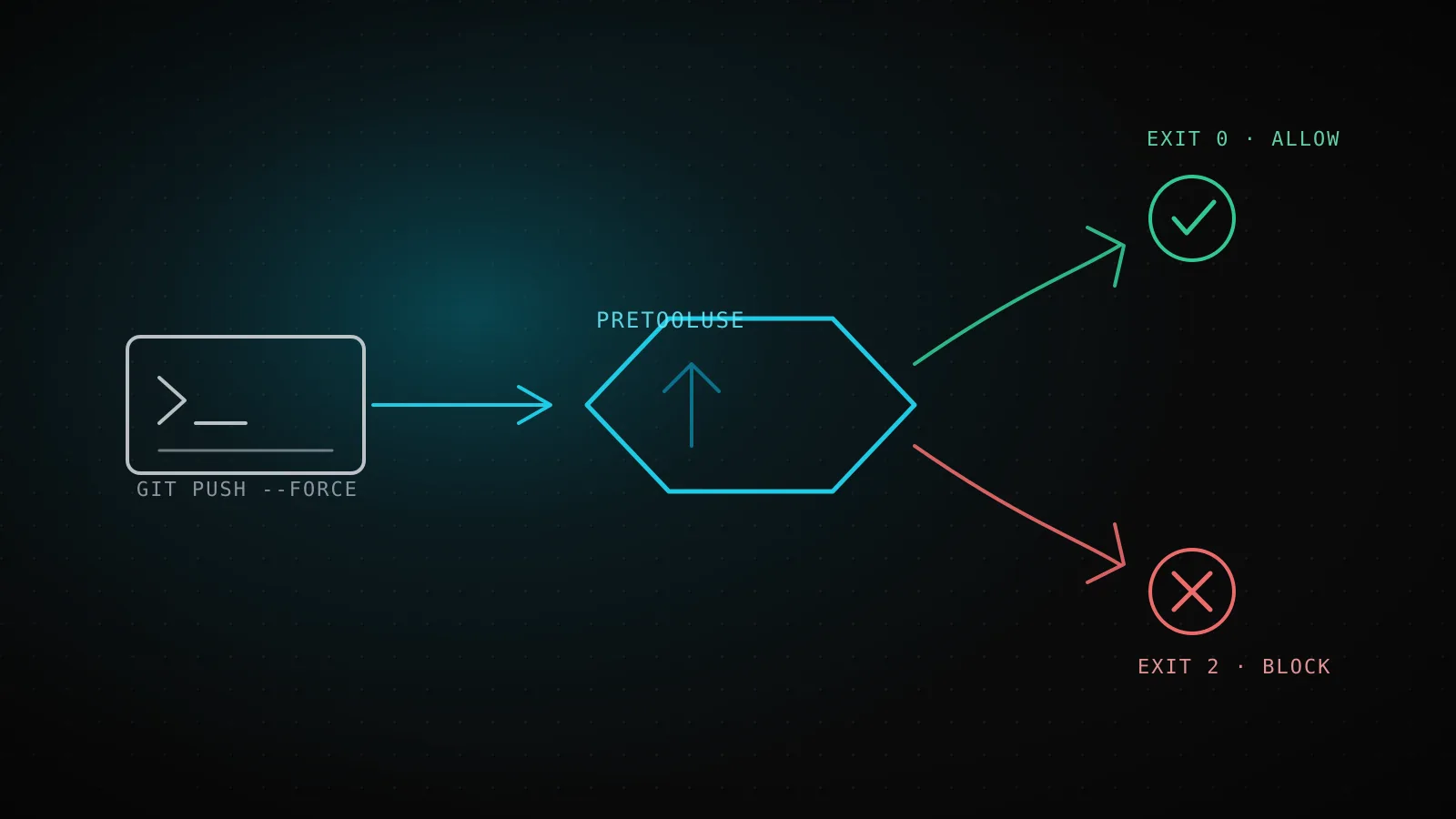
Claude Code hooks: what they are, and how to use them to gate an unattended pipeline
Every Claude Code hook event, how exit codes and JSON output control them, a tested PreToolUse example, and where hooks fit next to a repo's own CI gate.
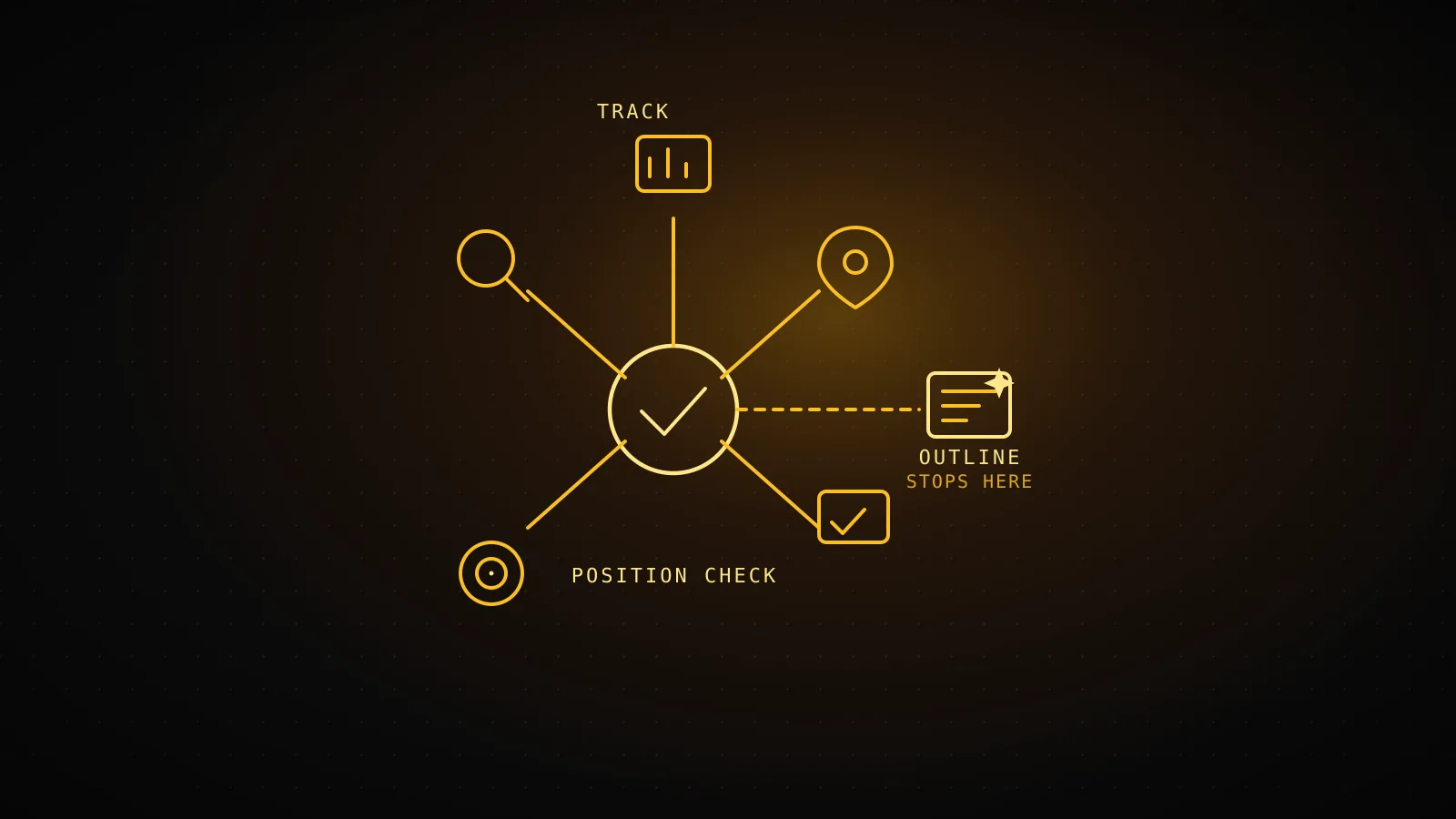
Wincher alternative: seven SEO modules, and the one closest to writing still stops at an outline
Wincher bundles rank tracking, local tracking, a keyword explorer, an on-page checker, a SERP benchmark and an AI outliner into one plan. What each module verified live actually does, this project's own tracking numbers, and where the chain keeps going instead of stopping.
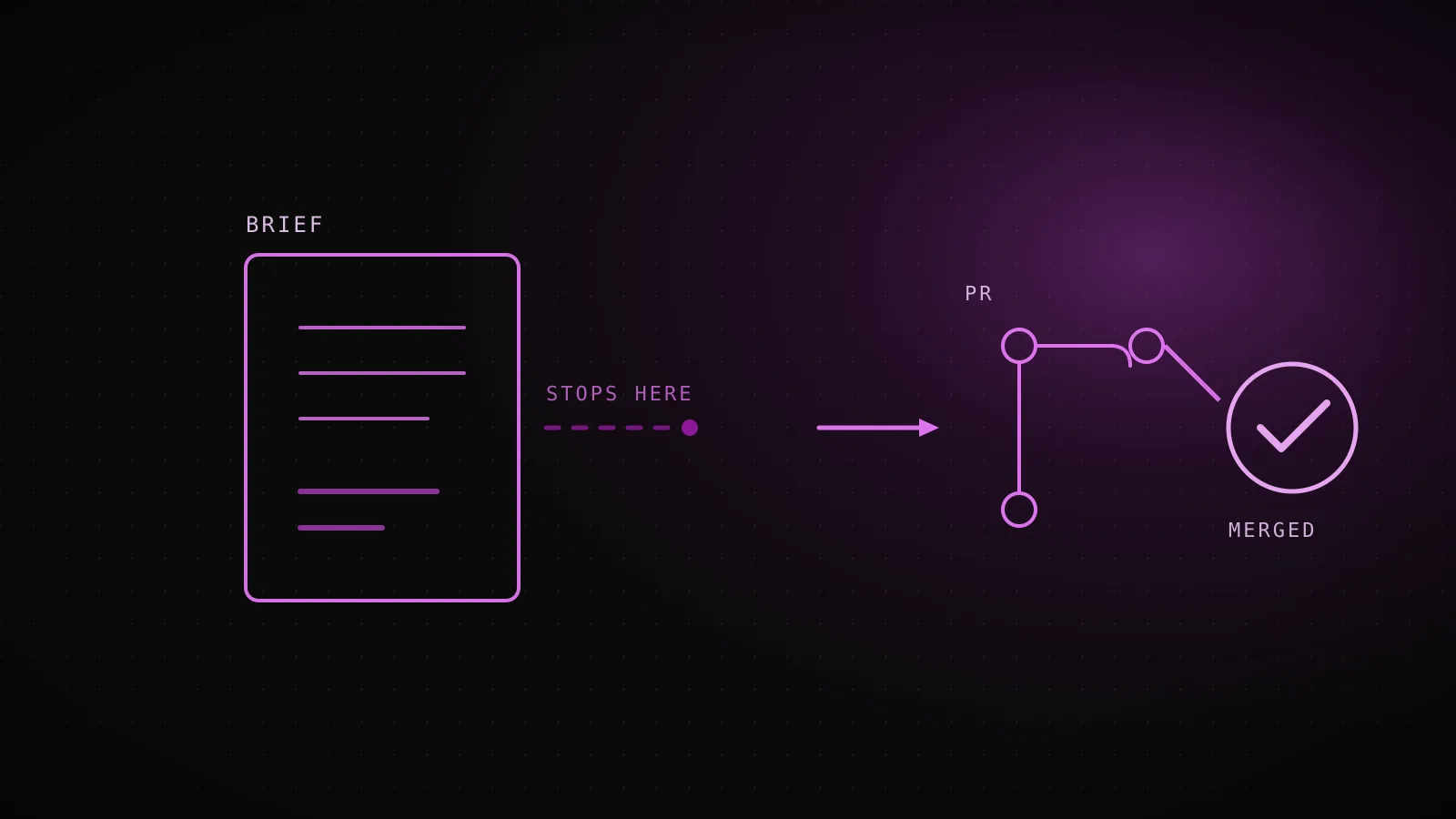
MarketMuse alternative: topic modeling that still hands you a blank page
MarketMuse's own homepage says it plainly - "we do not write content for our customers." What its four tiers actually unlock, checked live, and the pipeline that finishes the research instead of stopping at a brief.
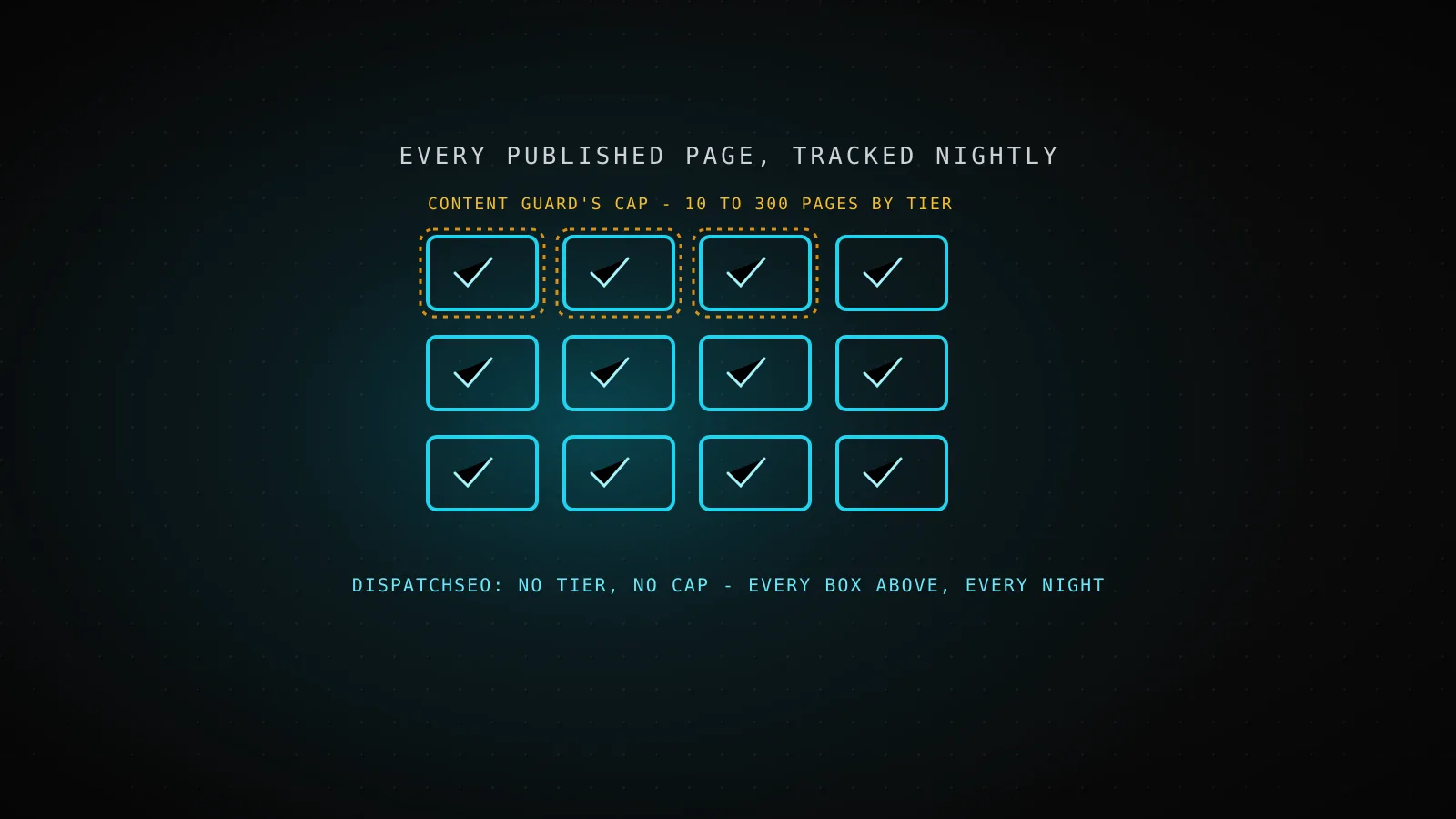
Frase alternative: Content Guard caps how many pages it watches - this doesn't
Frase's own pricing page, checked live, shows Content Guard - its ranking-decay monitor - only watches 10, 75, or 300 pages depending which of four tiers you pay for. What a nightly rank and Search Console cron tracks instead, with no per-page cap.
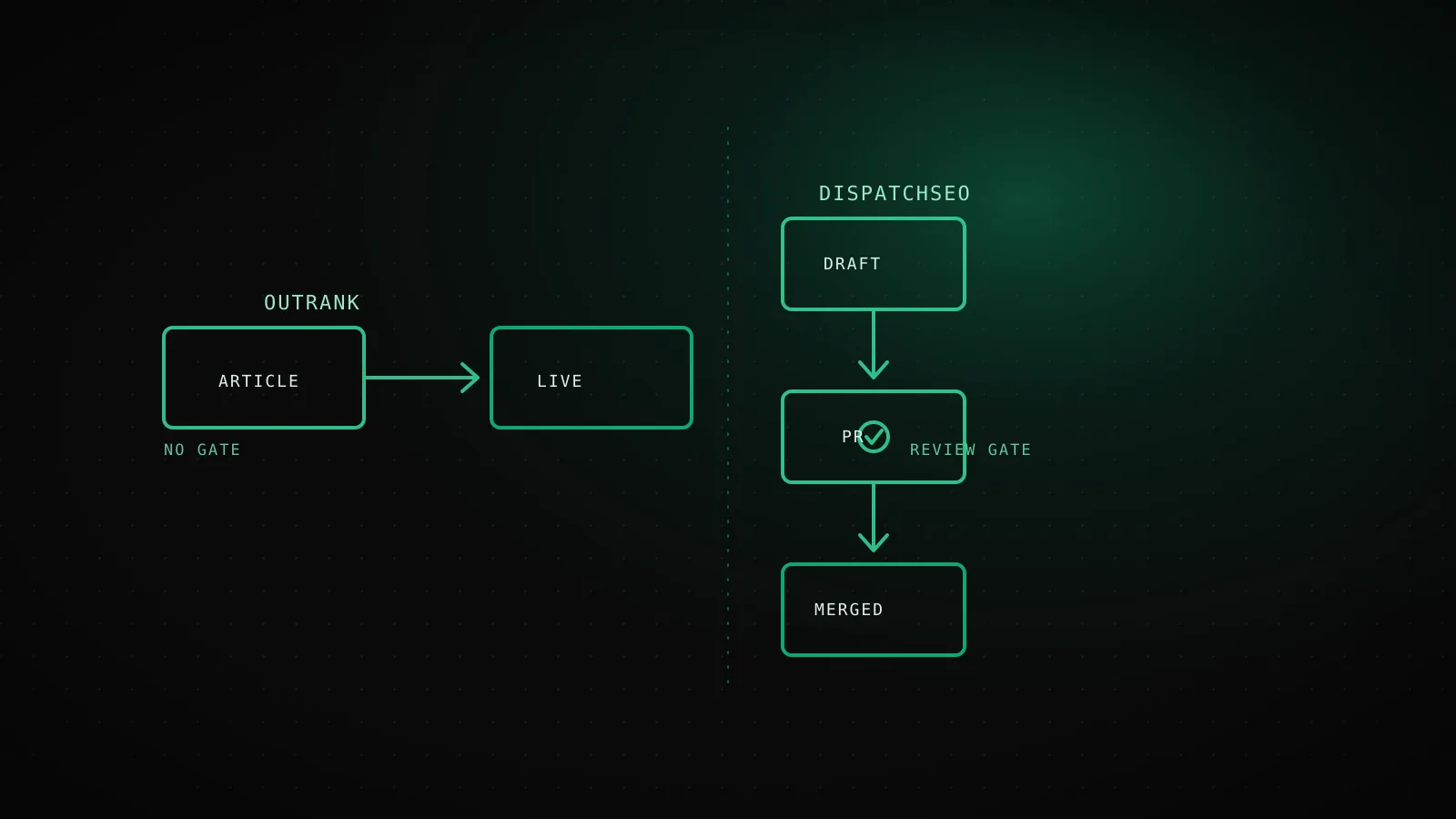
Outrank alternative: the open-source, self-hosted version of the same idea
Outrank auto-publishes SEO content as a $99/mo SaaS with a backlink exchange bolted on. DispatchSEO runs the same research-to-published-page job through your own coding agent, landing as a PR you review instead of an auto-publish.
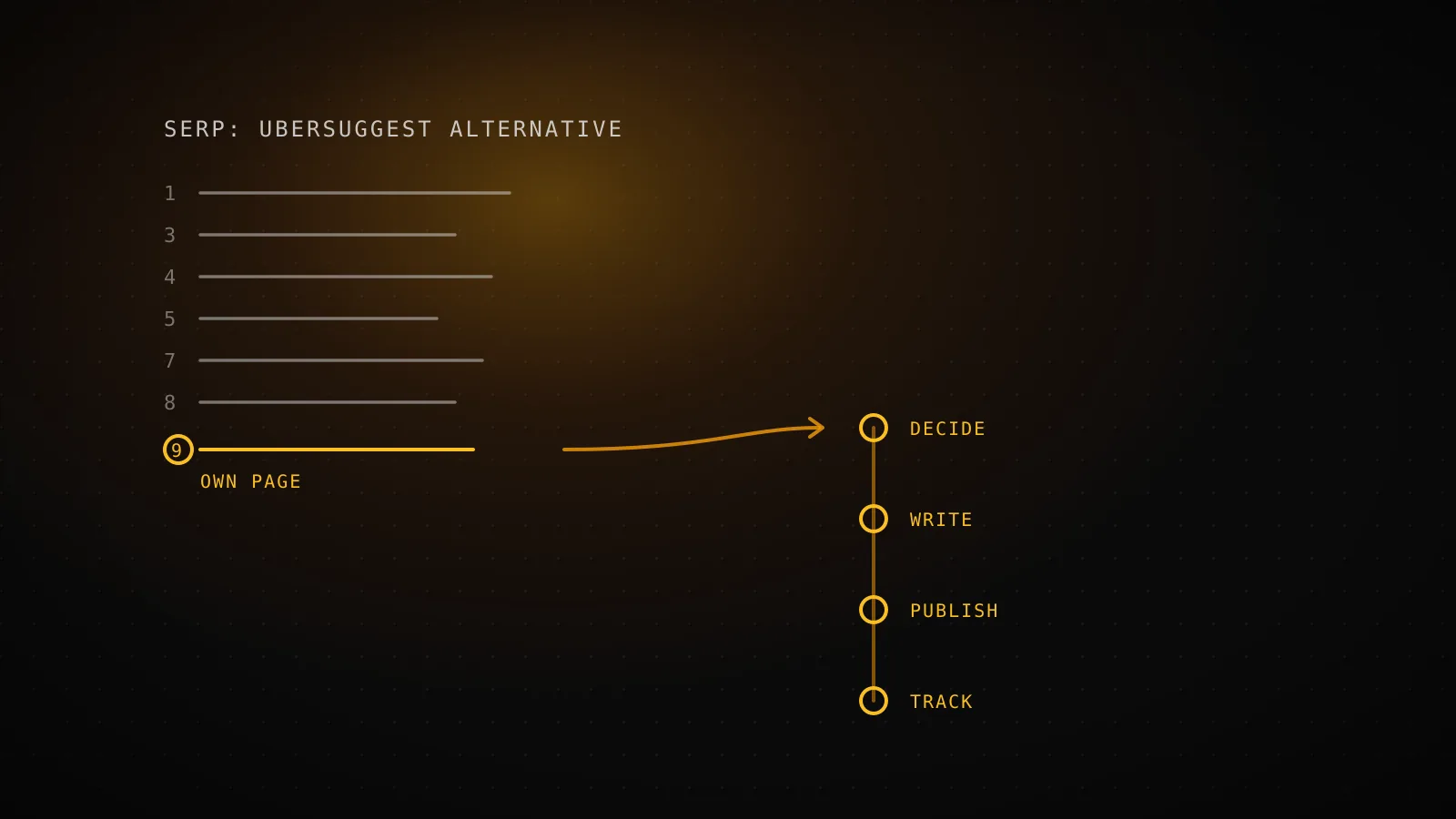
Ubersuggest alternative: past the point where one dashboard is enough
Ubersuggest's own homepage ranks 9th for "ubersuggest alternative", checked live - after a rival tool, three listicles, and two competing SaaS pages. What that field actually means, and the workflow gap none of them close.
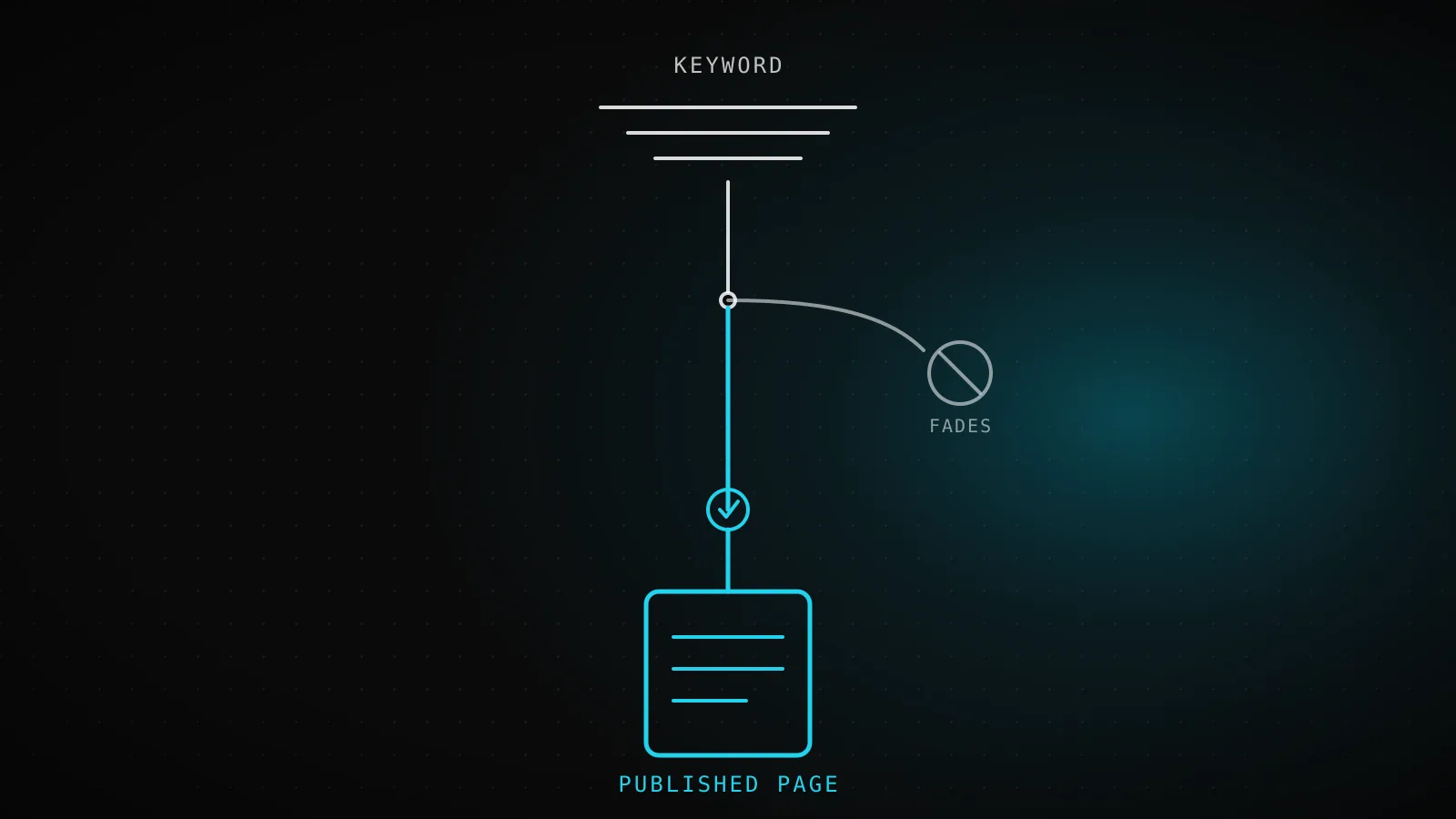
Long Tail Pro alternative: it's still alive, but it isn't a keyword tool anymore
The "is Long Tail Pro dead" Reddit thread that holds page 1 is asking the wrong question - its homepage, checked live, shows a website builder and a blog generator now. What that pivot actually means, this project's own live KD pull on this exact keyword, and the workflow gap neither product closes.
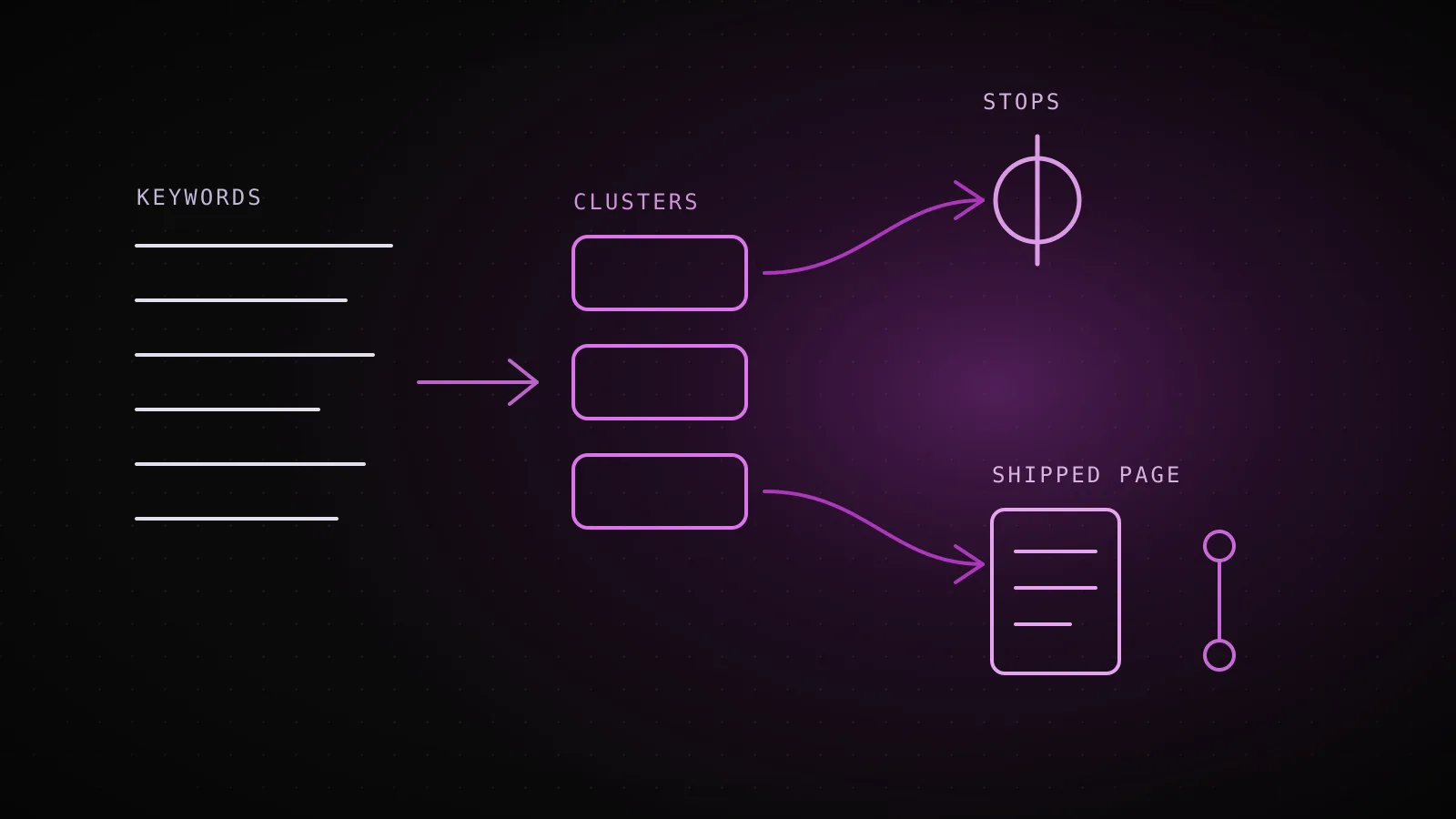
The best keyword clustering tools still leave you holding the clusters
Five real clustering tools hold page 1 for this query, checked live on each one's own current page - what SE Ranking, ryrob.com, KeySearch, and SEO.AI actually say happens after you get your clusters, this project's own tool run for real, and the one thing none of them do next.
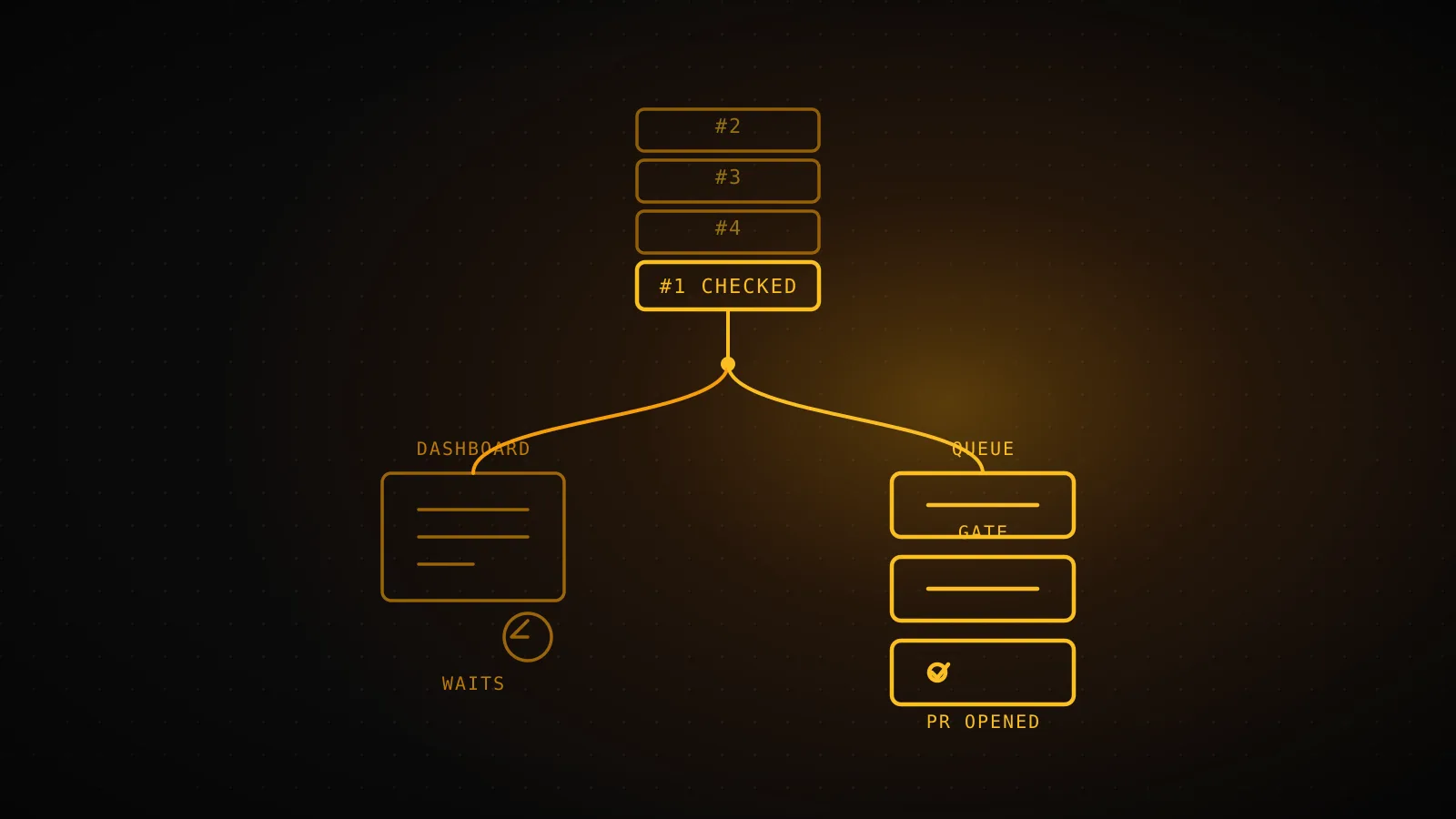
AccuRanker alternative: rank tracking that also writes the pages it's tracking
AccuRanker tracks up to 25,000 keywords daily from $224/mo, verified against its own current pricing page. What it actually does, the honest gap in what happens after a position moves, and this project's own tracking numbers, pulled live.
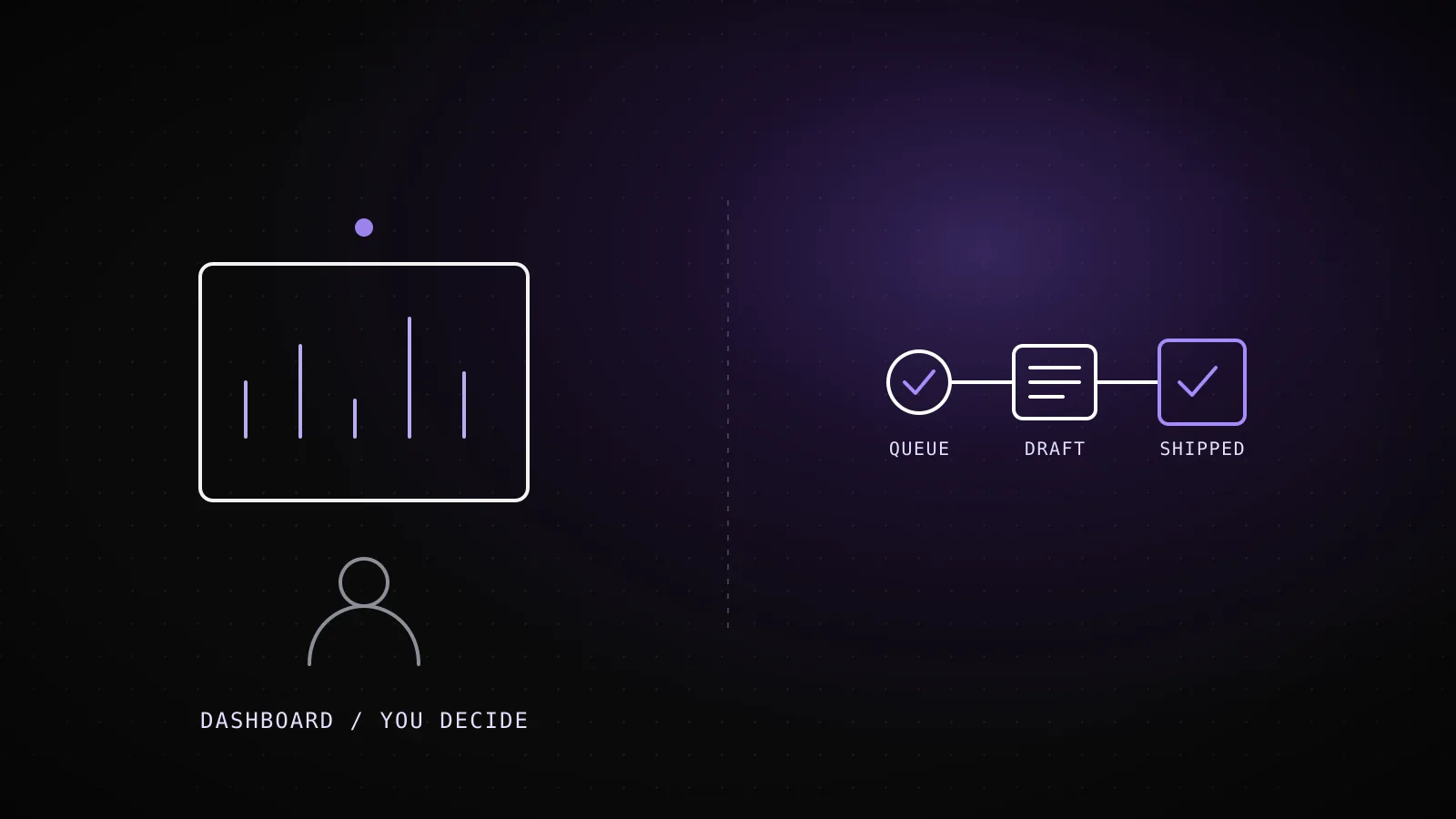
Serpstat alternative: 55 tools that stop at the report
Serpstat bundles keyword research, rank tracking, site audits, backlink analysis, and an AI writer into one $50/mo login - verified against Serpstat's own pricing and feature pages. What every module still leaves for a person to decide, this project's own queue running the same signal through to a shipped page, and the honest gaps.
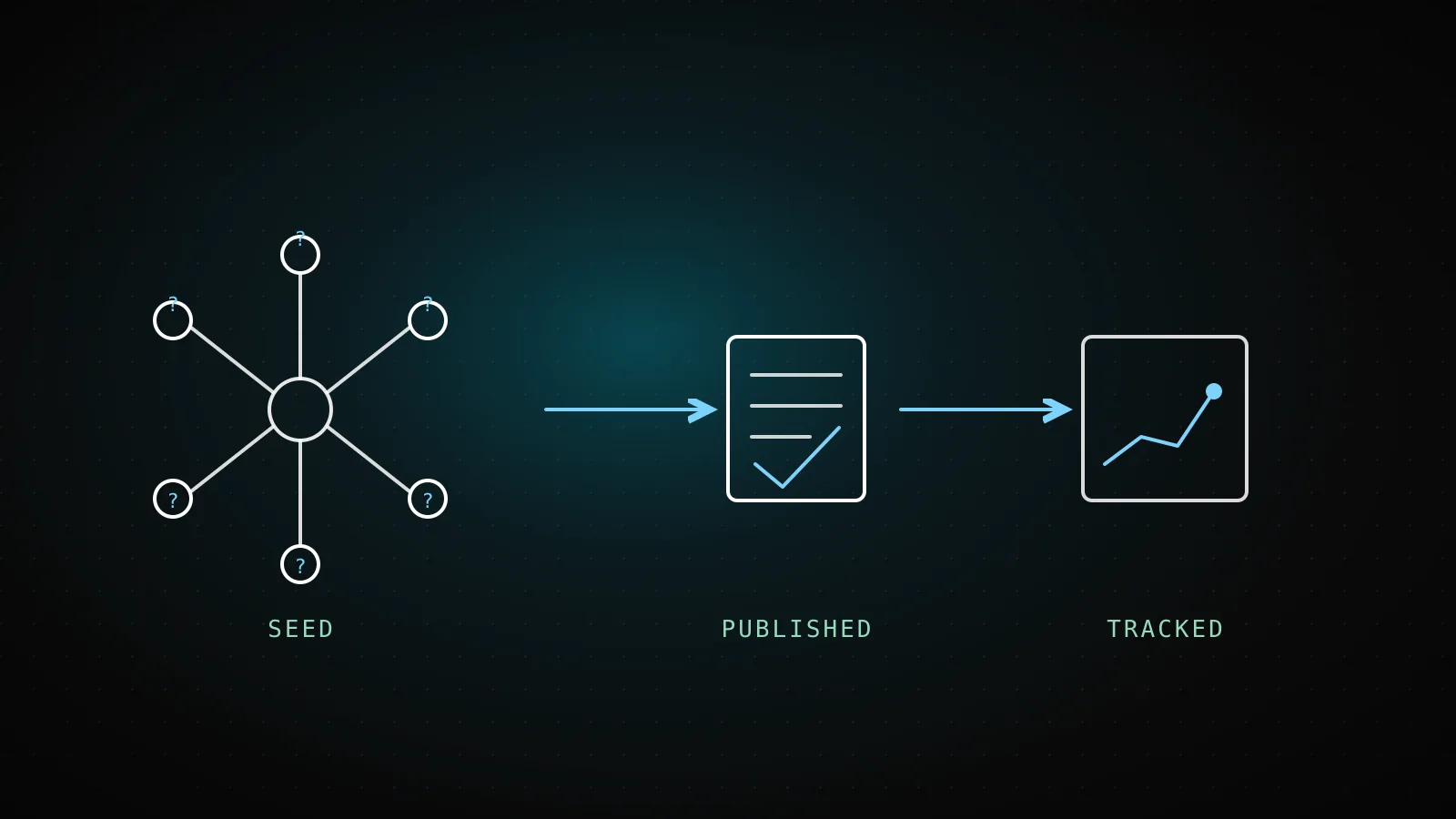
AnswerThePublic alternative: skip the question list, get the published page
AnswerThePublic turns a seed keyword into a cloud of questions - you still pick one, write it, and publish it. What page 1's actual alternatives are, DispatchSEO's own seed-to-tracked-page loop as the real difference, and this project's live numbers.
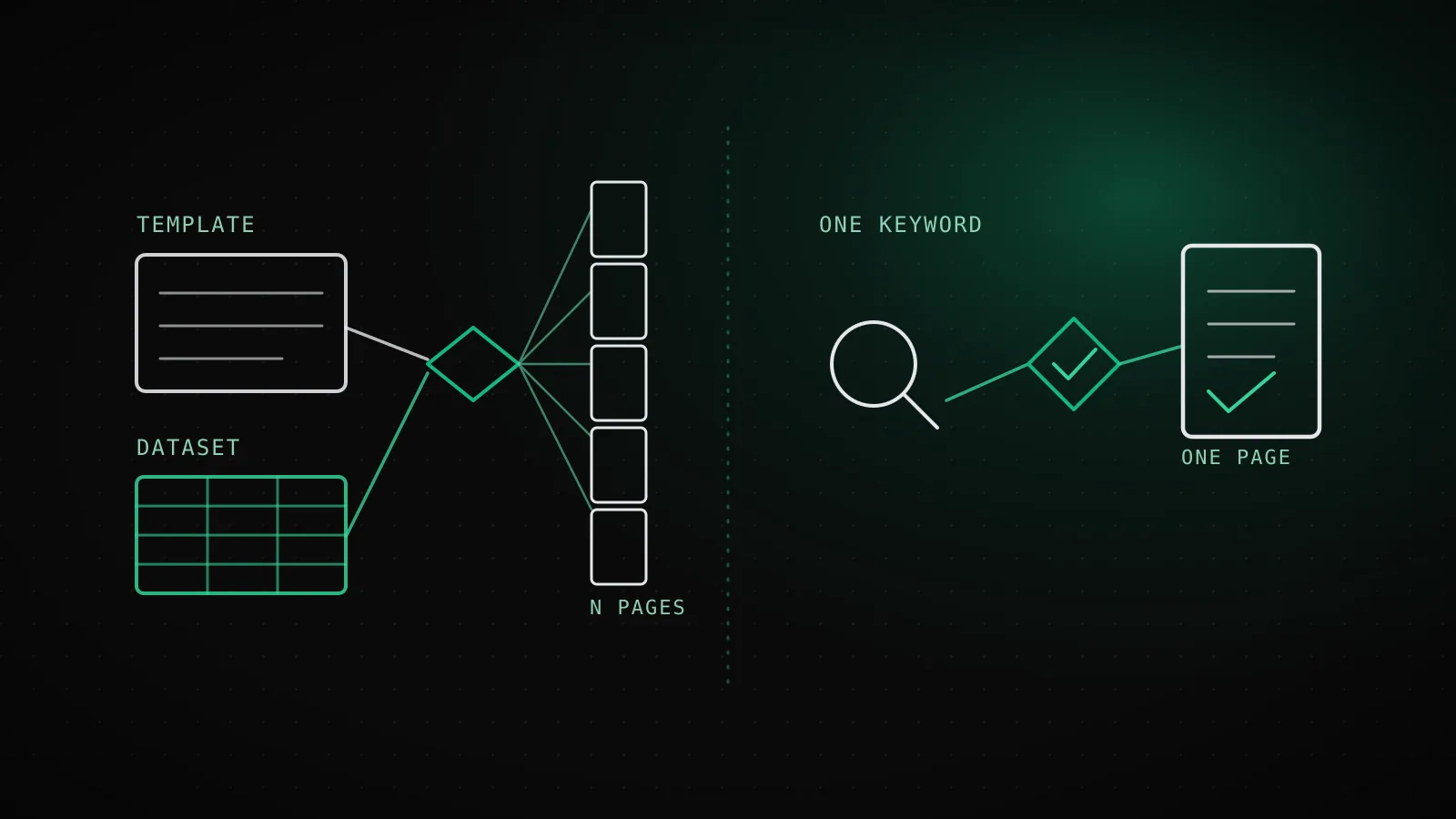
Programmatic SEO tools mean templated pages at scale - here's the other kind of automation
Programmatic SEO tools merge a template with a dataset to publish pages by the thousand. What that model is actually for, where it burns a site under Google's own scaled-content policy, and the daily-judgment alternative - with this project's real 28-day numbers instead of a pitch.
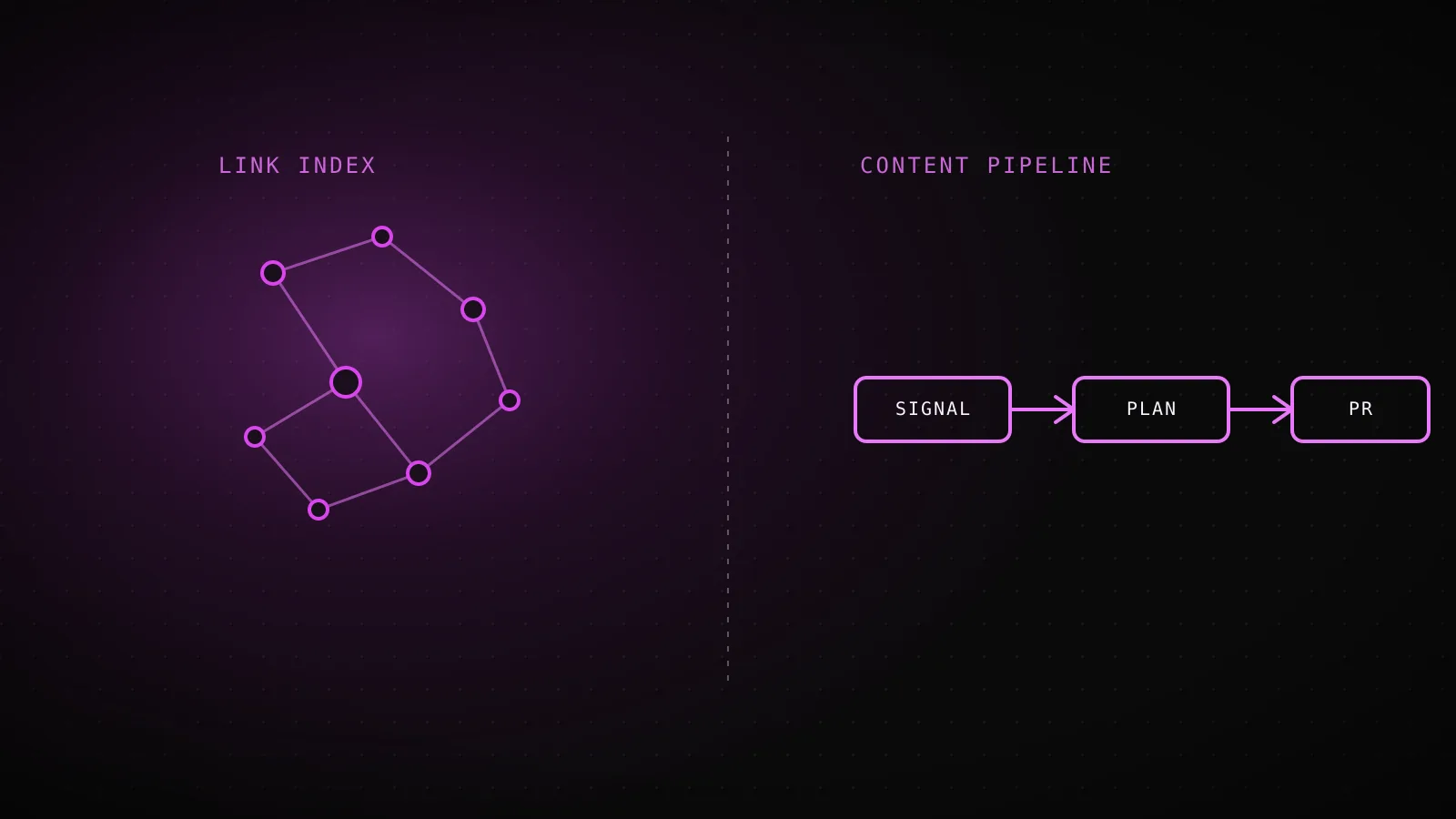
Majestic alternative - for teams that need more than a backlink index
Majestic indexes backlinks and scores them with Trust Flow and Citation Flow - one narrow job. Here's what every page-1 "alternative" actually is, the adjacent job none of them do, and this project's own link data, pulled live.
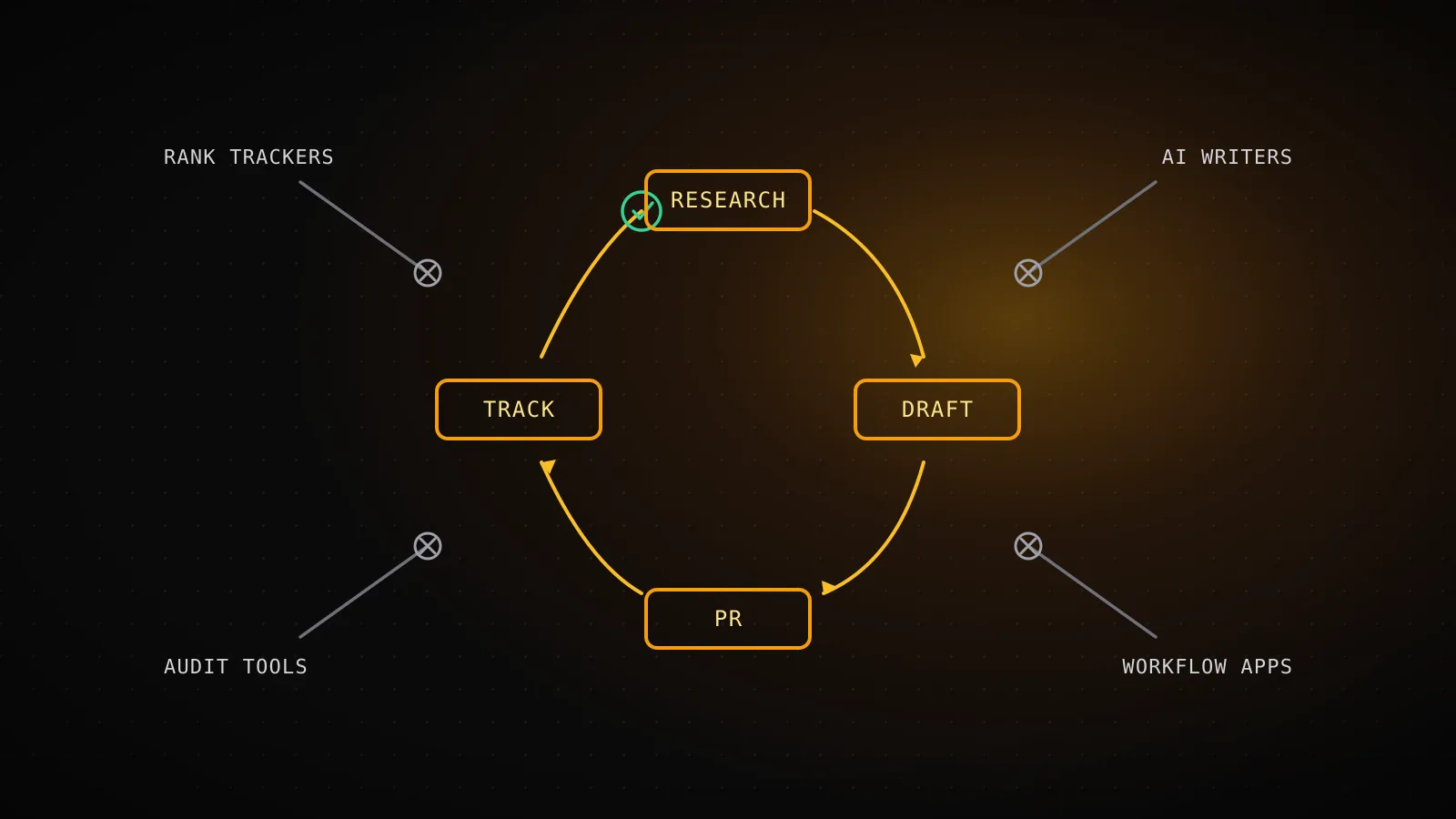
Best SEO automation tools, grouped by what they actually automate
Today's "best SEO automation tools" lists blur four different jobs into one label - rank trackers, AI writers, workflow platforms, audit suites. Sorted by what each one actually automates, and the one model that closes the whole loop instead of a slice of it.
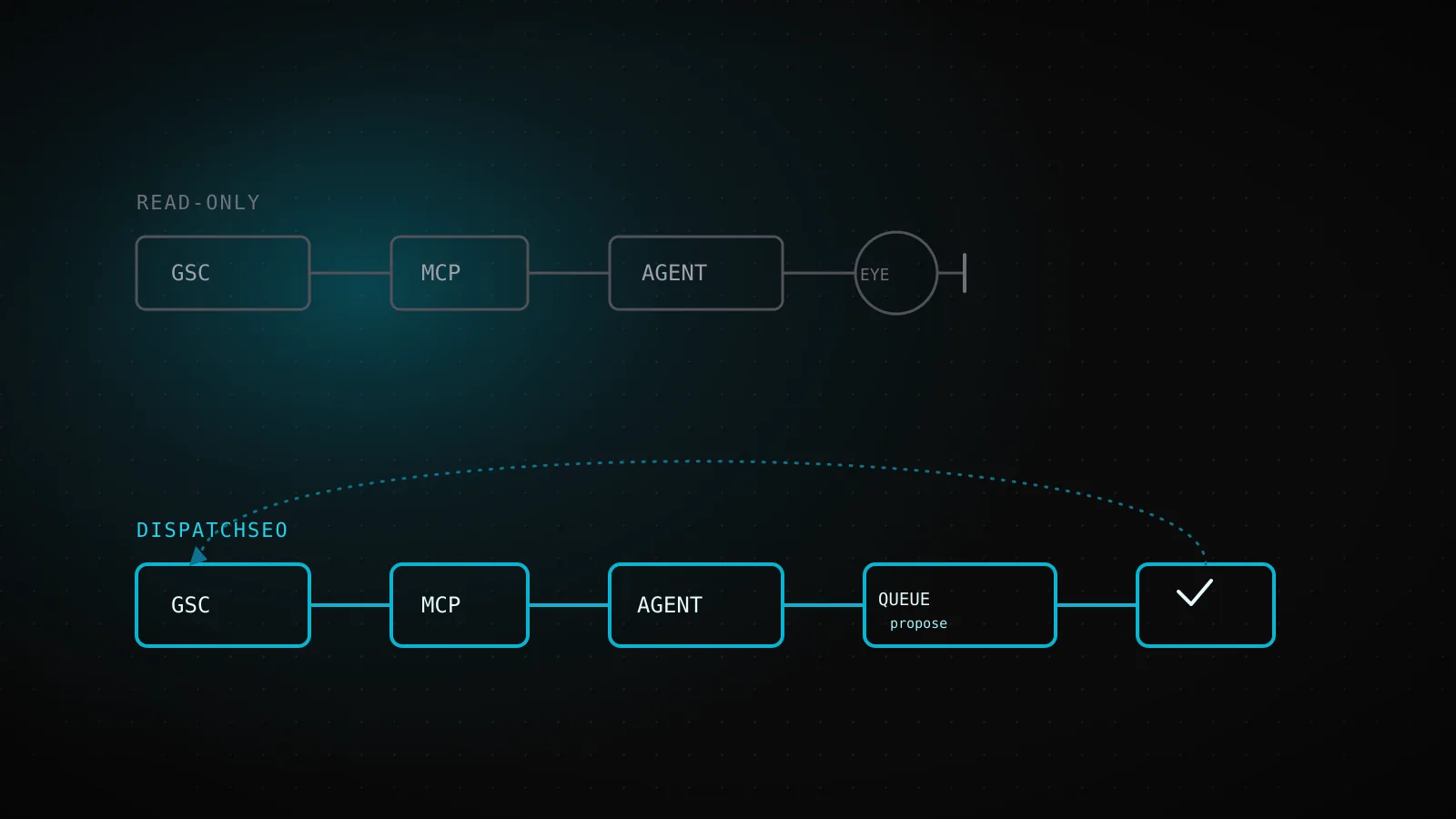
Google Search Console MCP - what it actually gives your agent (and what it doesn't)
Every public Google Search Console MCP server today is a read-only wrapper around the Search Analytics API - a human still decides what to do with the numbers. The field, the setup steps that matter, and this project's own GSC feed as the worked example.
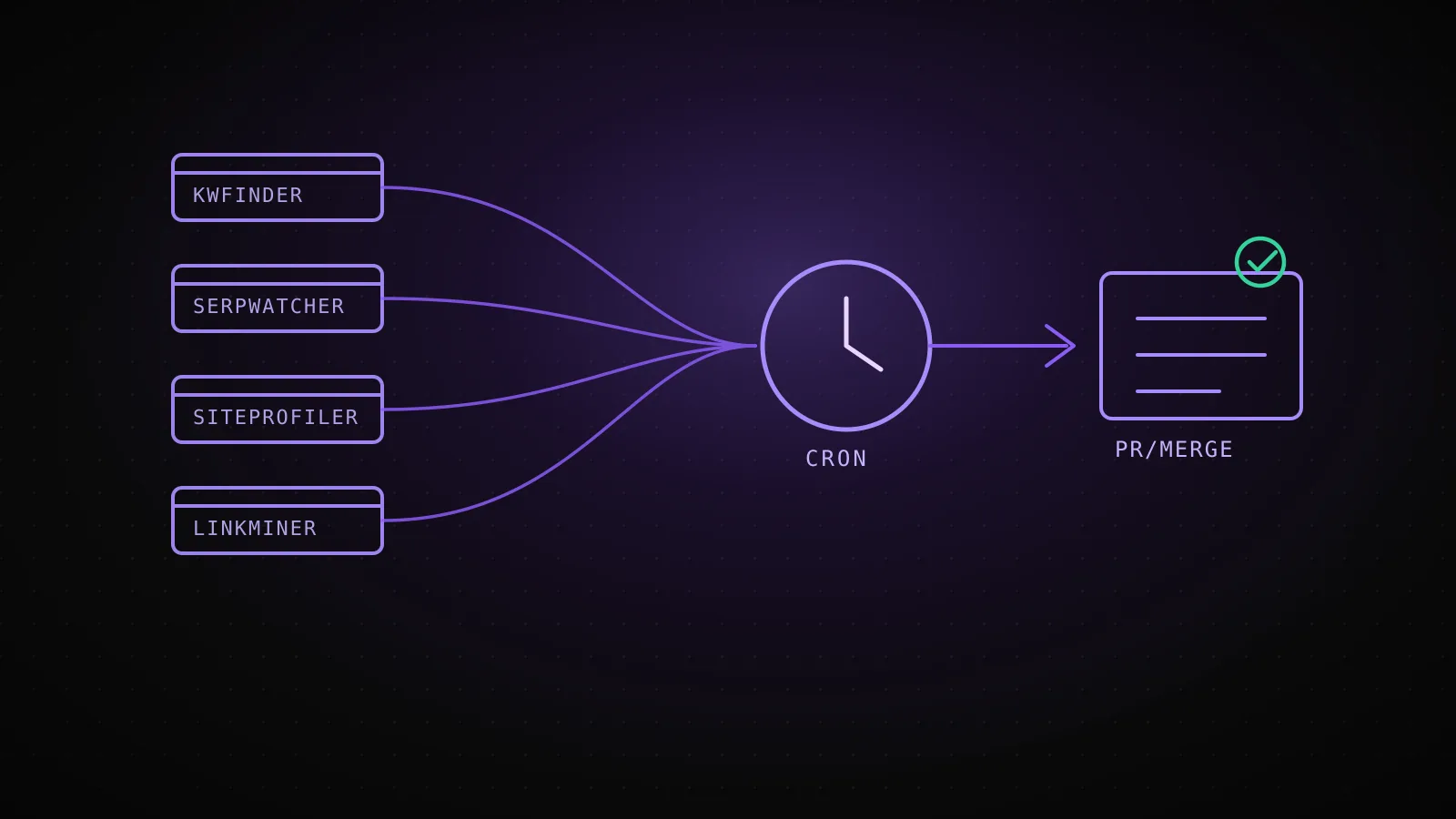
Mangools alternative - one system instead of a suite you open by hand
Mangools bundles seven SEO tools you trigger one at a time - KWFinder, SERPChecker, SERPWatcher, LinkMiner, SiteProfiler, an AI Search Watcher, and a browser extension. Here's the accurate current lineup, what DispatchSEO automates instead, and this project's own numbers, pulled live.
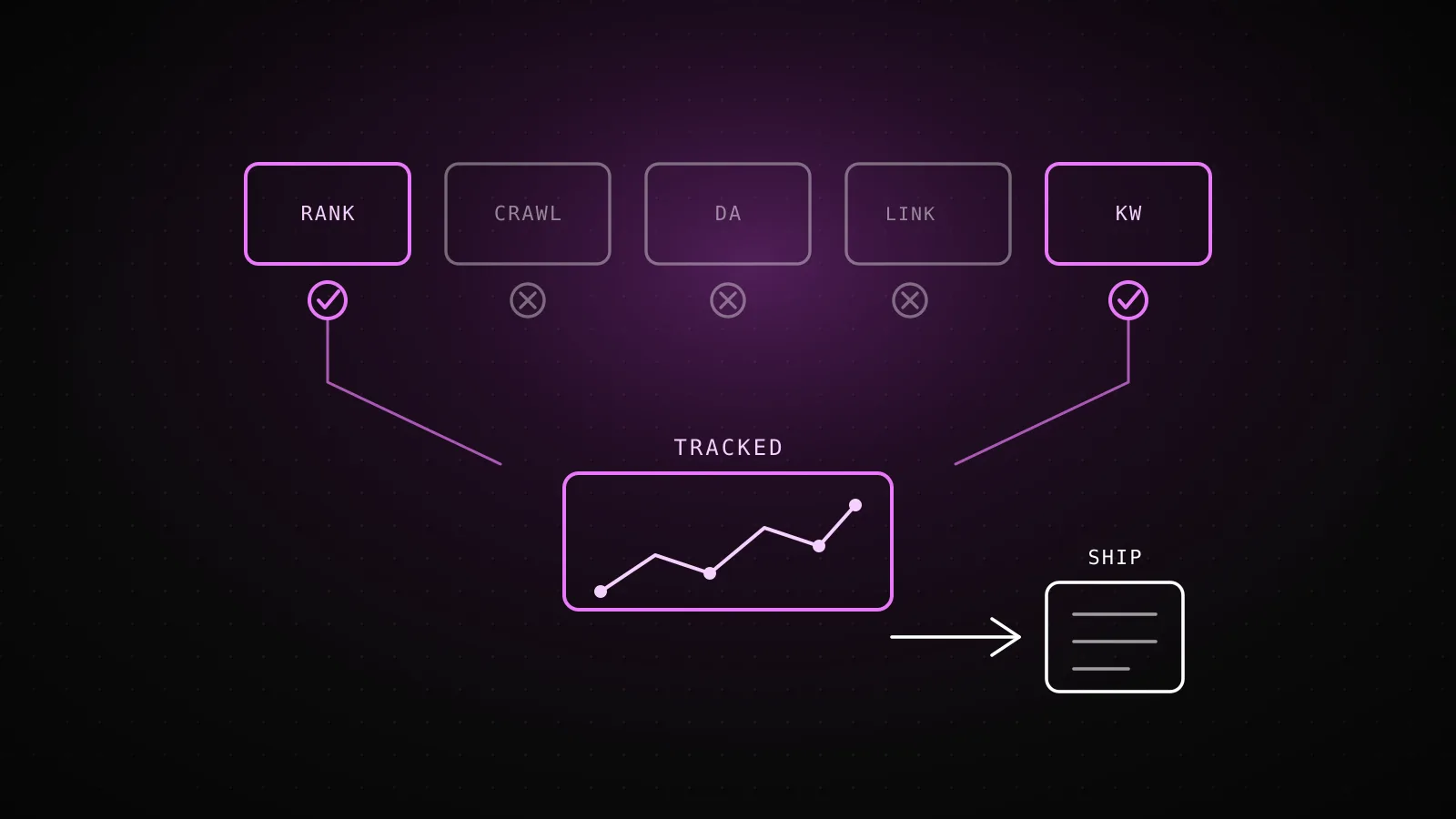
Moz alternative - the rank-tracking and content half, without the audit suite
Moz Pro bundles rank tracking, a crawl-scale site audit, and a proprietary Domain Authority score into one subscription. Here's what Moz actually bundles, the half DispatchSEO covers self-hosted, the half it deliberately doesn't, and this project's own numbers, pulled live.
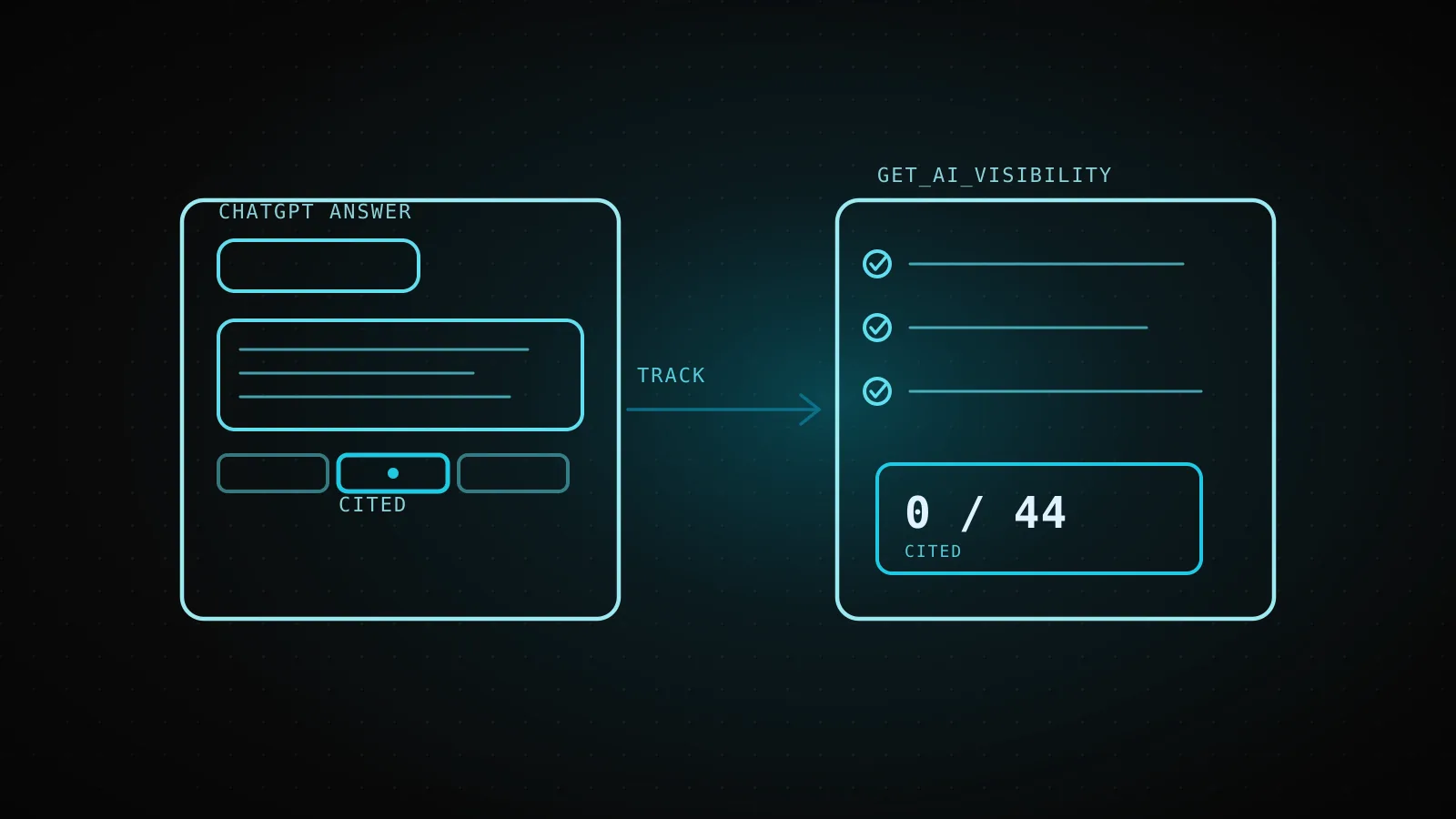
How to rank in ChatGPT - and how to tell if it actually worked
The tactics that repeat across page 1 for "how to rank in ChatGPT," plus the step every one of those pages skips - measuring whether they worked. Includes 23 real days of this project's own citation numbers.
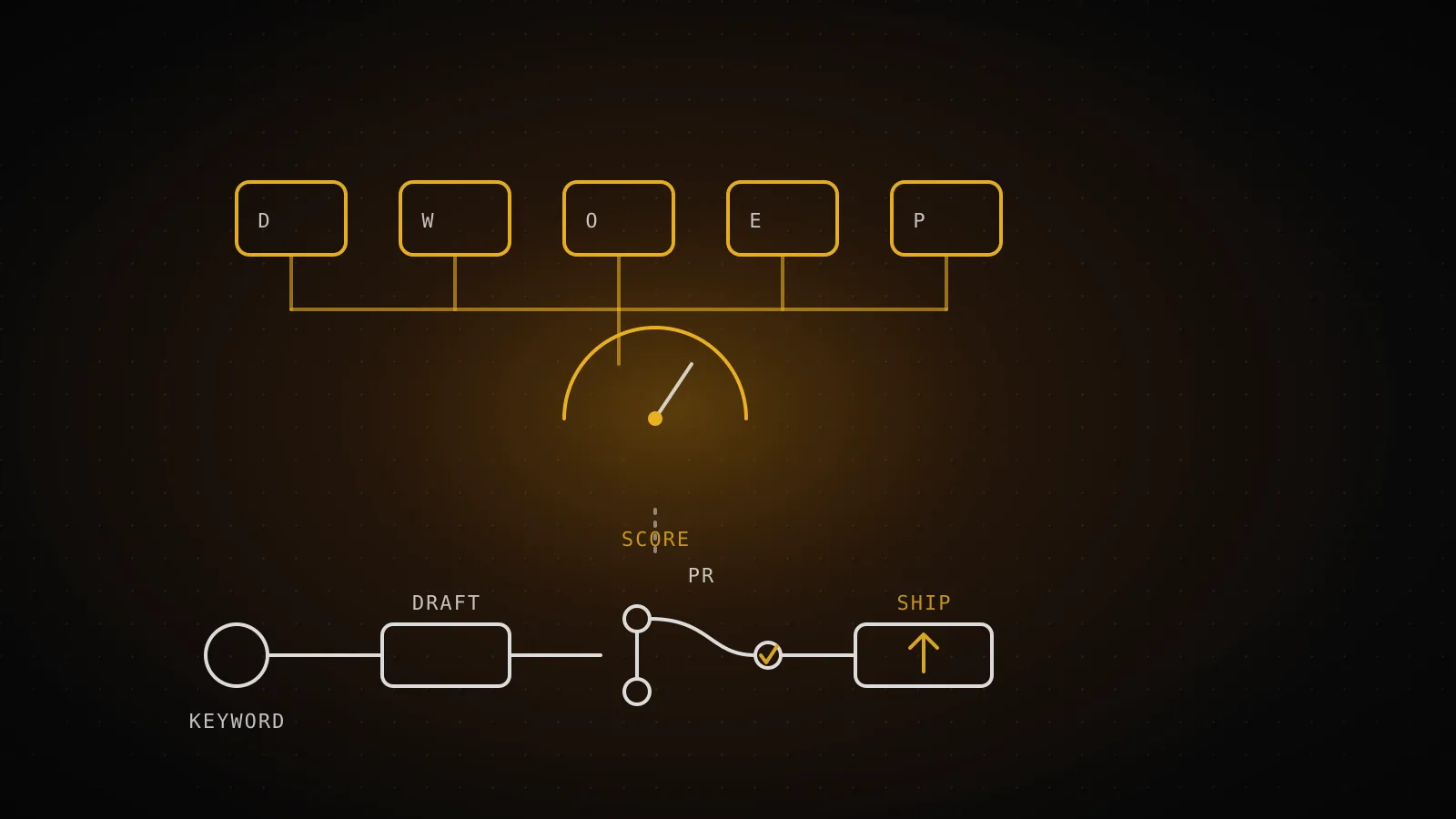
Clearscope alternative: what to use when you want the page written, not just graded
Clearscope isn't just a term-coverage score anymore - checked live, it's five modules now, and so are most of the names roundups list as its alternatives. What actually still doesn't ship the page, and the pipeline that does.
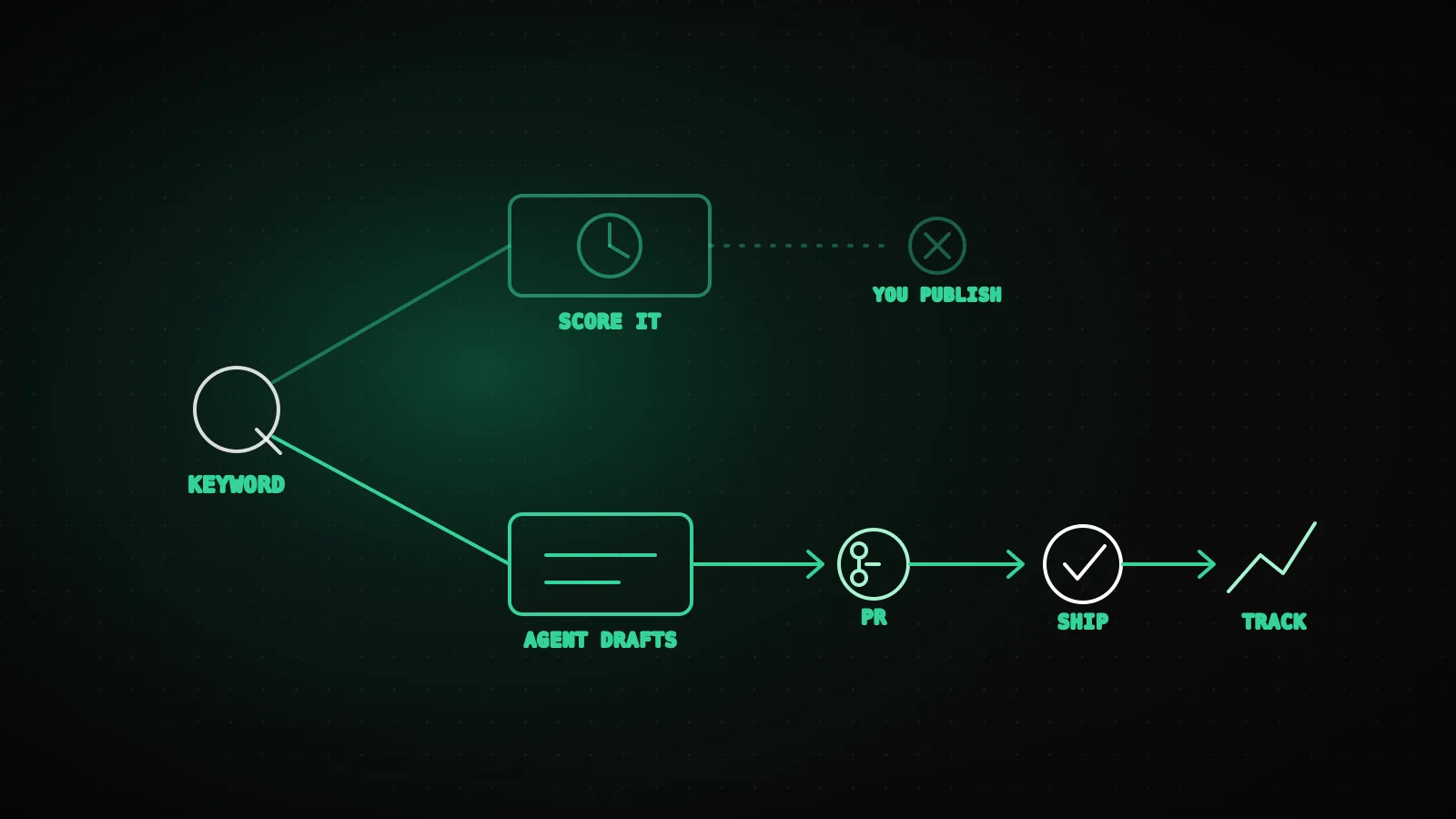
Surfer SEO alternative: the option that ships the page instead of just scoring it
Every "Surfer SEO alternative" on page 1 - NeuronWriter, Clearscope, Frase, MarketMuse - is still a term-coverage editor you operate by hand. Current pricing checked live, the one tier that's quietly gone further, and the pipeline that skips the editor step entirely.
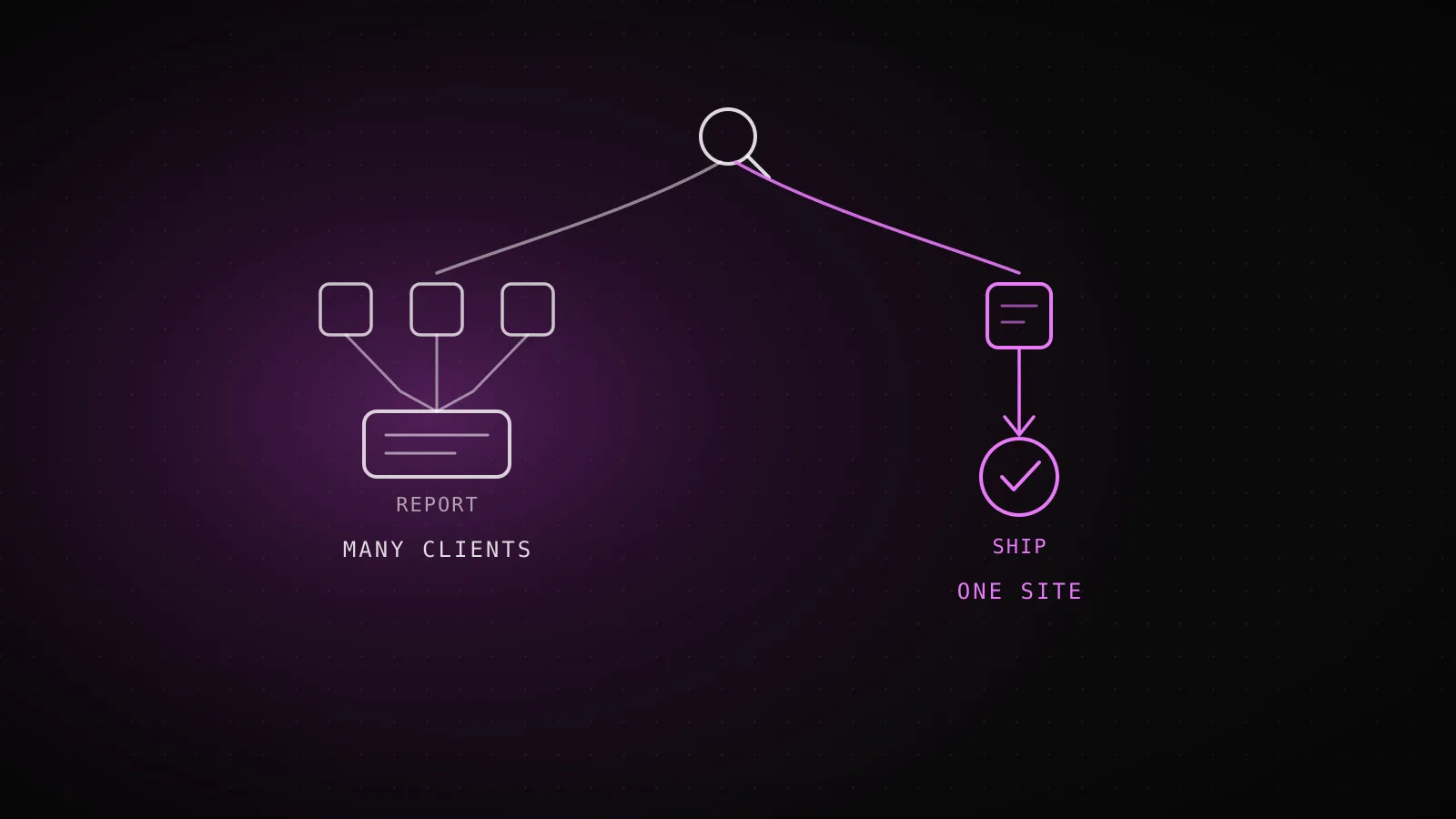
The best SEO automation software still assumes you're an agency
Every "best SEO automation software" result on page 1 today is scored for an agency managing client sites. Here's the buyer none of them address, and the real cost of the model built for it instead.
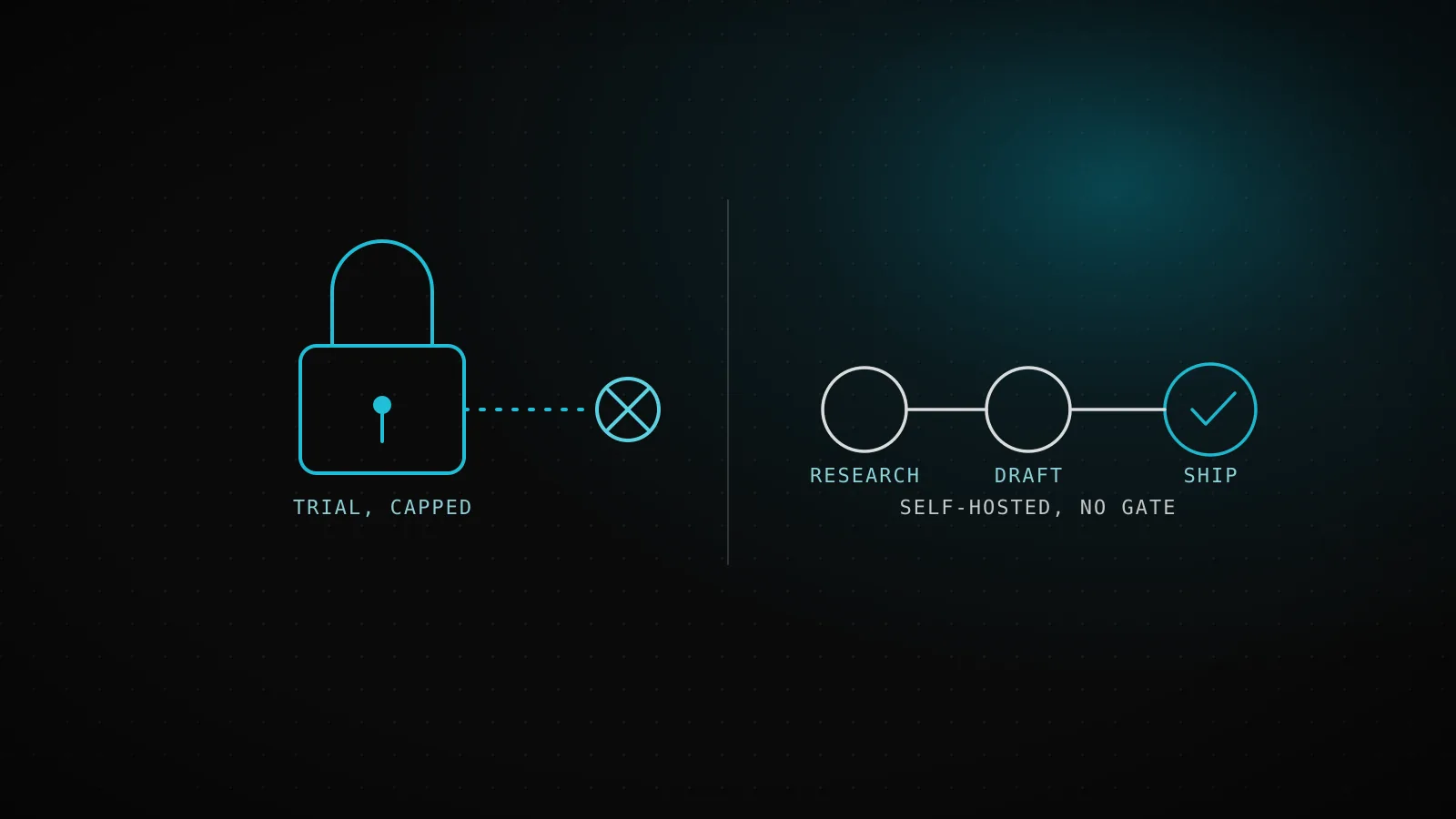
SEO automation software, free: what you get before you ever pay for a seat
Most "SEO automation software, free" results gate the real automation behind a paid tier. What genuinely ships free in a self-hosted, agent-driven setup - verified against this project's own repo, not a pitch.
The best free SEO tools still leave a gap - nothing between them talks to each other
Every "best free SEO tools" list hands you the same five names. Real, checked-today free-tier limits for each one, and the real gap none of them close - memory between sessions.

Content freshness in SEO matters more for AI citations now than for rankings
Ahrefs' own 17M-citation study shows AI engines punish old content harder than Google ever did. The other lever besides refreshing old posts, shown with this project's own real trend-to-guide timeline.
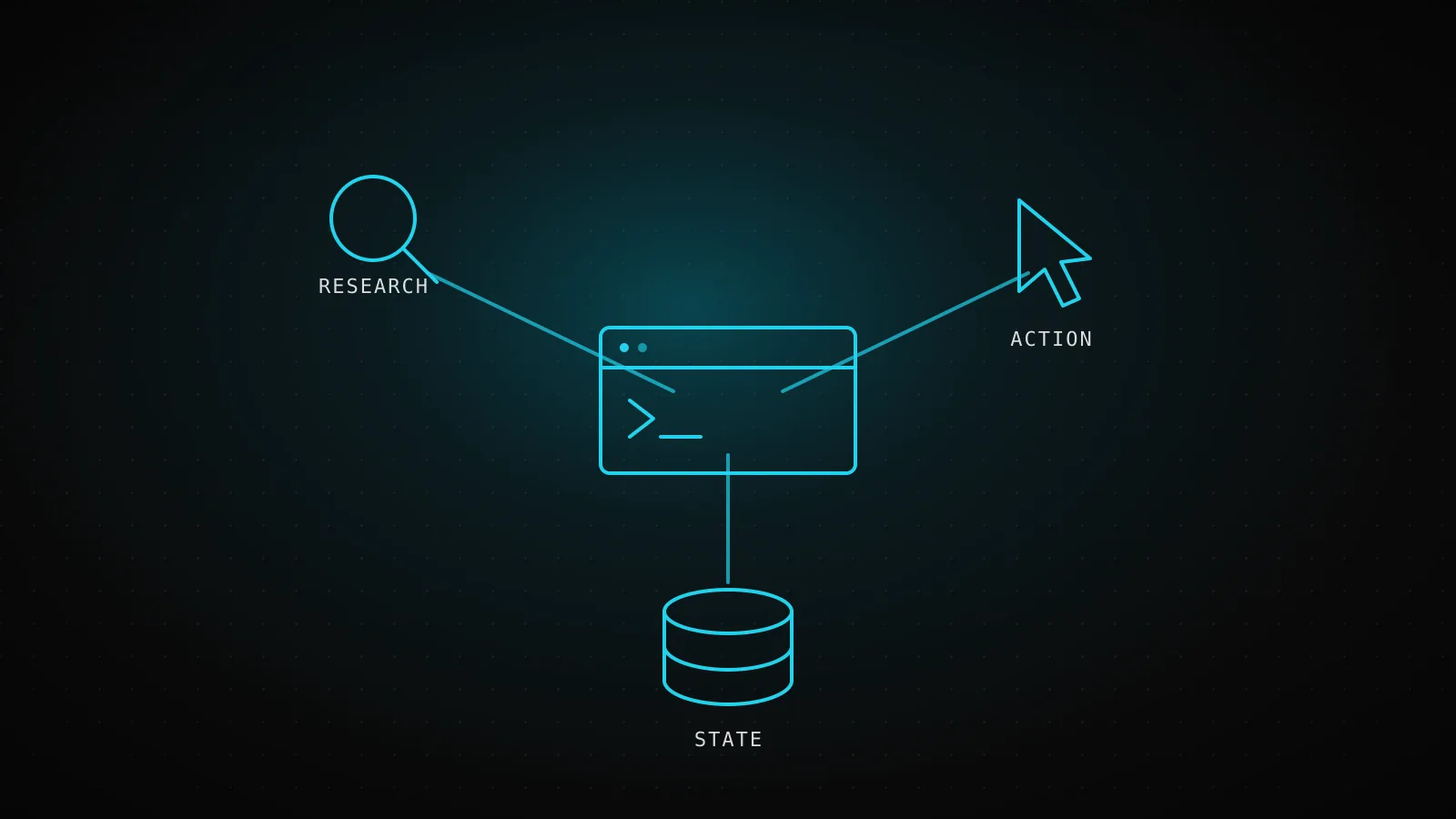
Best MCP servers for Claude Code: grouped by what they touch, not what they're about
Context7, Playwright MCP, GitHub MCP, and this site's own 58-tool server, sorted by whether they fetch, act, or remember - the axis every ranked list skips - with real setup commands pulled from each project's current docs.

SERP tracking API: build vs buy for developers who want to self-host rank tracking
What DataForSEO's own SERP API actually costs per call right now, what a self-hosted tracker built on top of it takes to run in production, and the real monthly bill for one working project's own 27 tracked keywords.
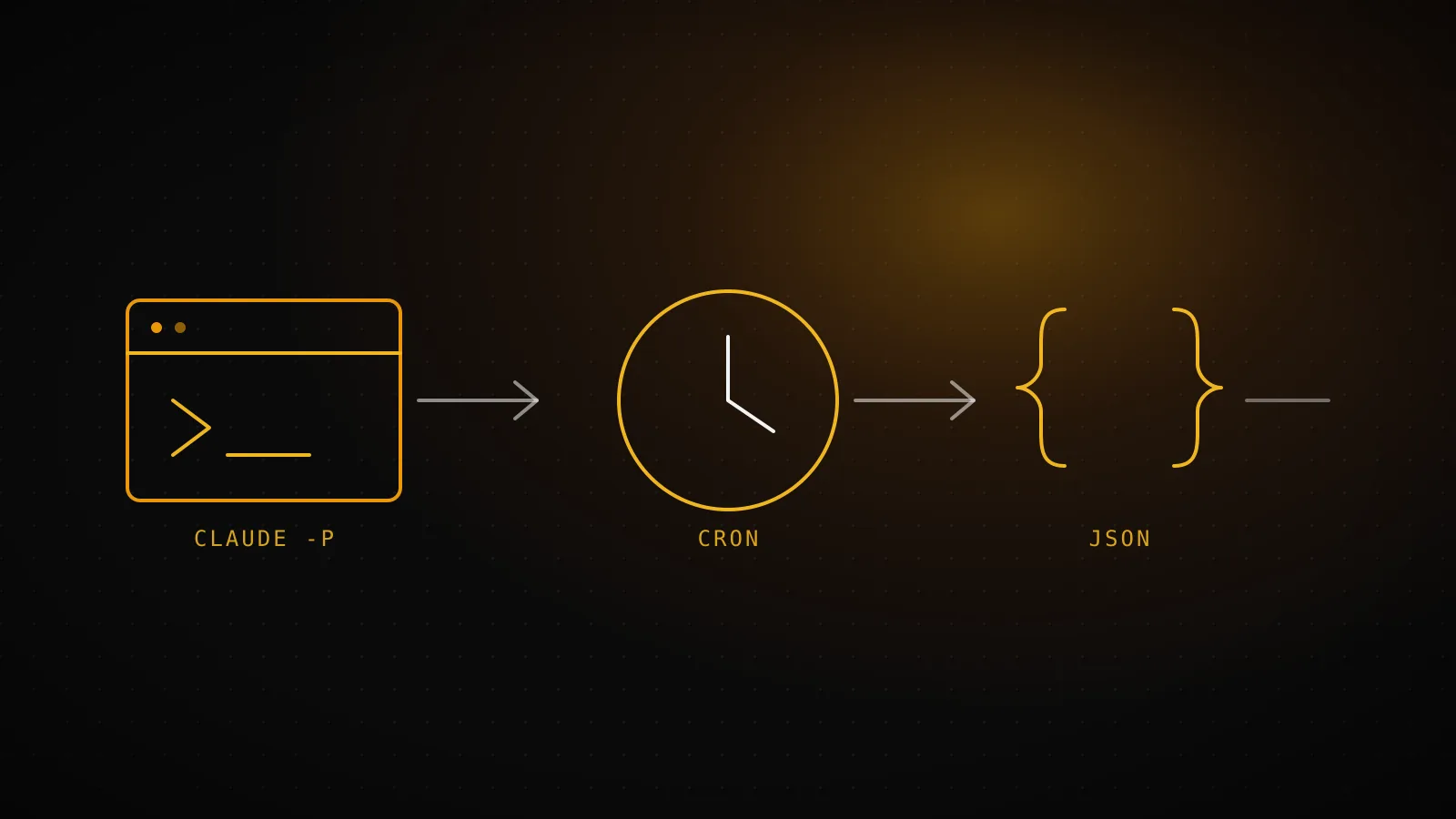
Claude Code headless mode: the flags that actually matter for CI
What -p/--print, --output-format json, --bare, and --permission-mode each actually do, checked against Claude Code's current docs, plus a real claude -p invocation run from this exact CI sandbox and the branch logic dispatchseo.com's own daily builder uses to tell a usage-limit deferral from a real failure.
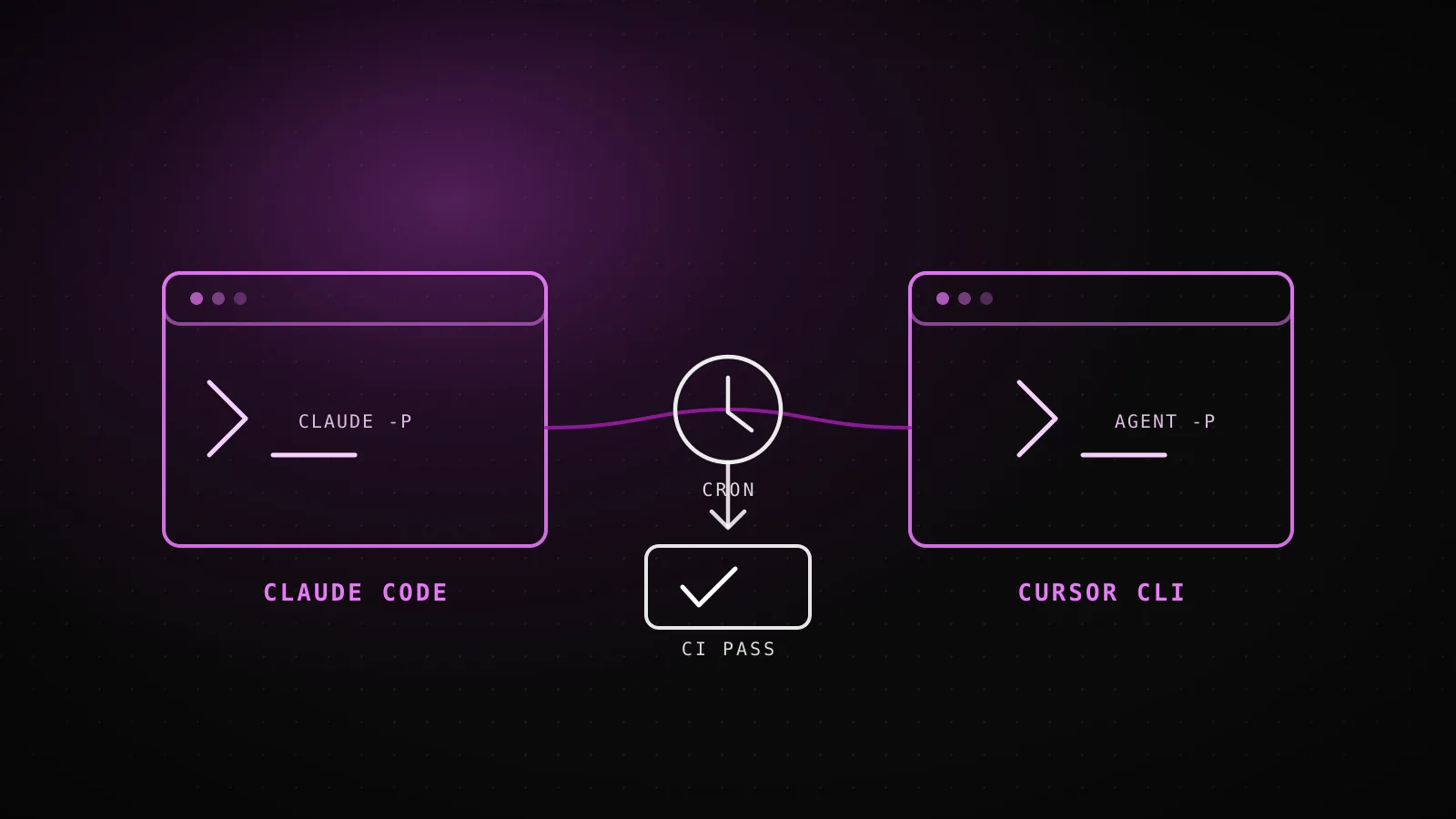
Claude Code vs Cursor: which one survives running unattended
Both ship a CLI, both take --output-format json, both talk MCP. The difference that matters once a cron job invokes one with nobody watching - checked against each tool's current docs, with a real claude -p run's exit code and JSON fields from this exact sandbox.
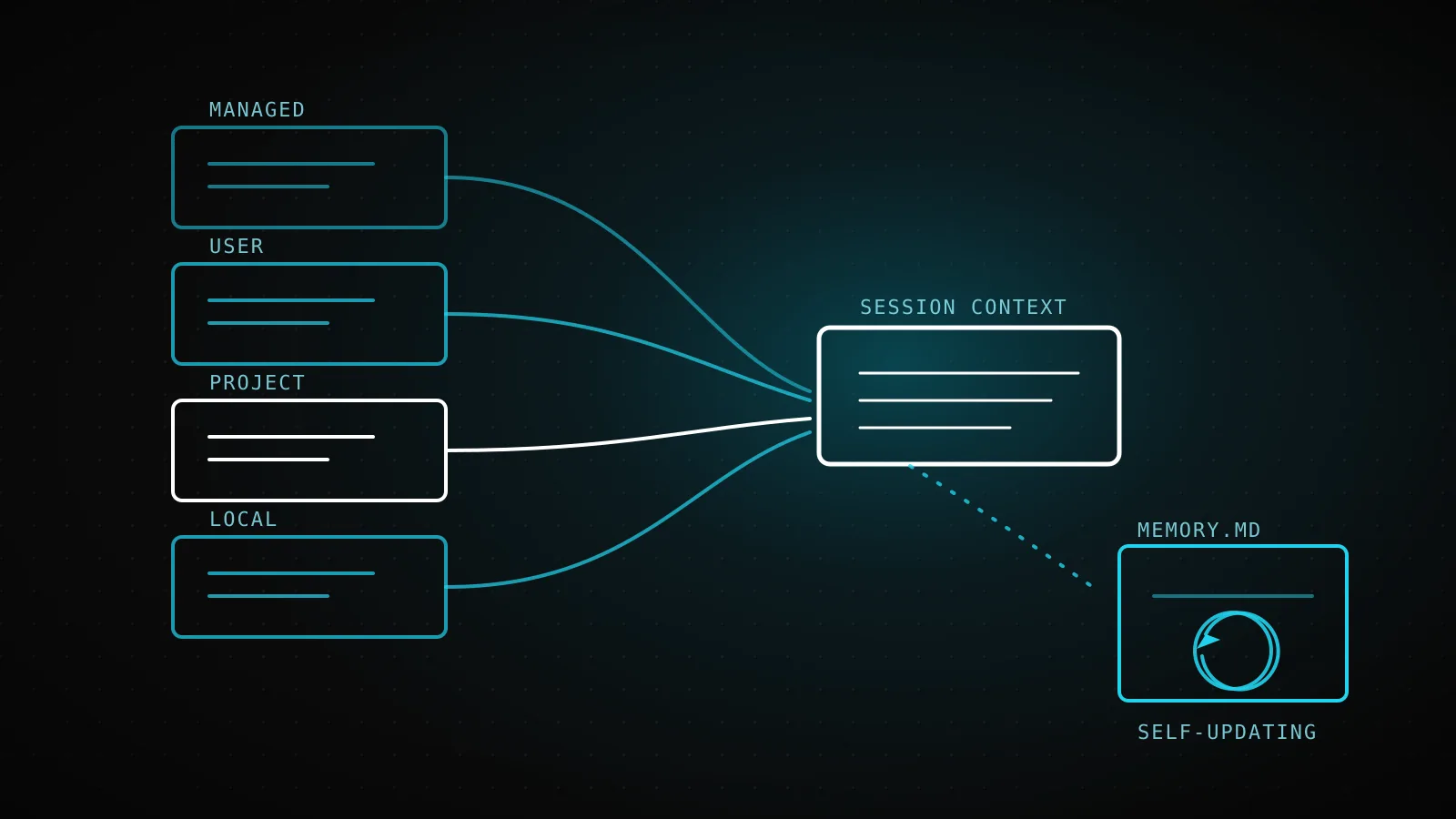
Claude Code memory, mapped - what CLAUDE.md and auto memory actually do
CLAUDE.md's four scopes, auto memory's MEMORY.md limits, and the unrelated API "memory tool" everyone confuses it with - checked against Claude Code's current docs, with this repo's real 207-line CLAUDE.md as the worked example.
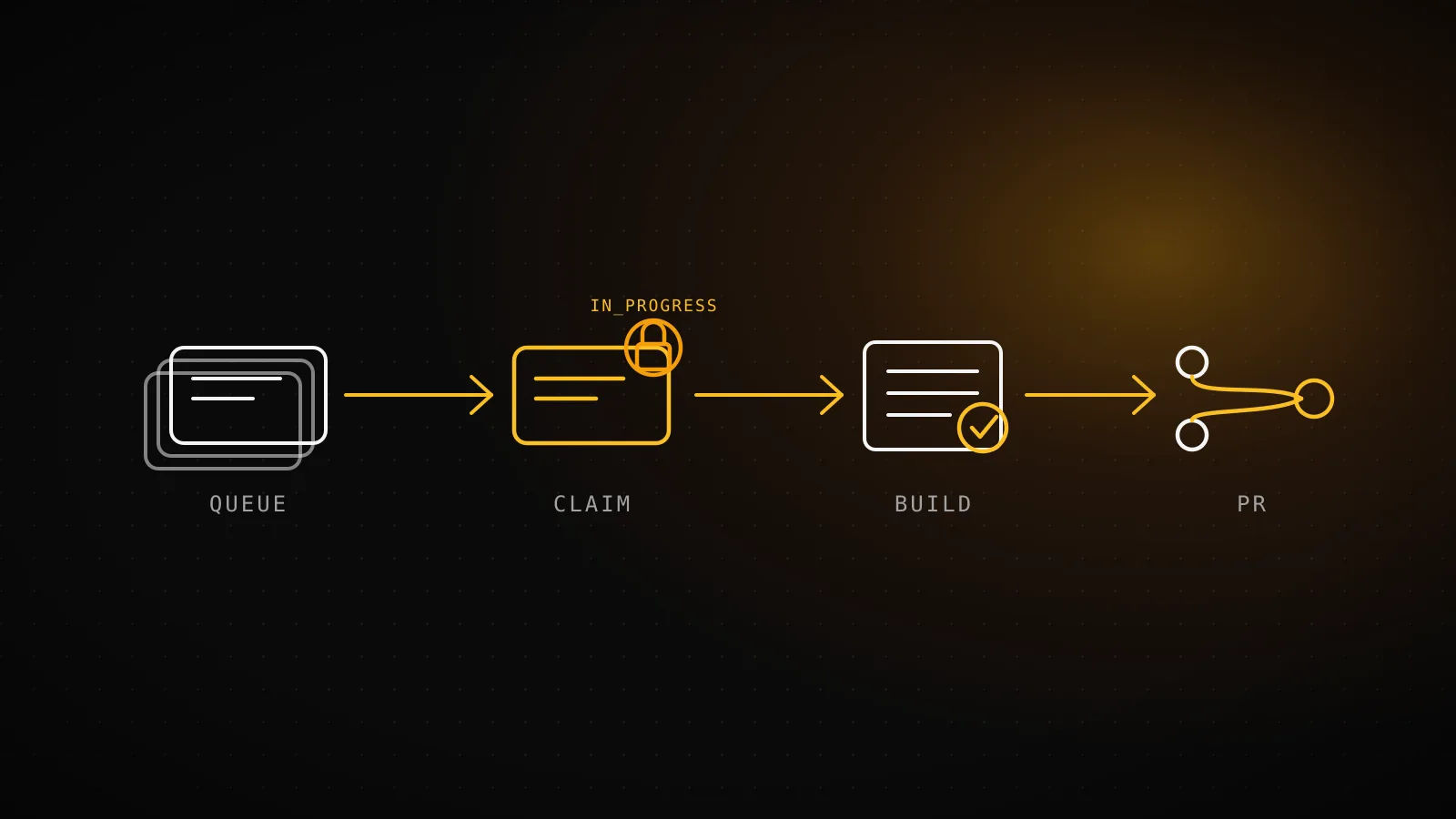
Claude Code subagents in a real production pipeline, not a toy example
What most "Claude Code subagent" guides skip - the shape that reads a real queue, claims its own work, and ships a PR unattended. Shown with this guide's own claim-and-build run, real timestamps included.

Every AI visibility tracking tool on page 1 costs $99/mo and up - here's the two-tool alternative that doesn't
Profound, Peec AI, and SE Ranking's AI Visibility Tracker all sell AI-citation tracking as its own subscription, checked live against each one's own pricing page. The by-hand method, the two MCP tools that automate it, and this site's own real citation numbers at day 11.
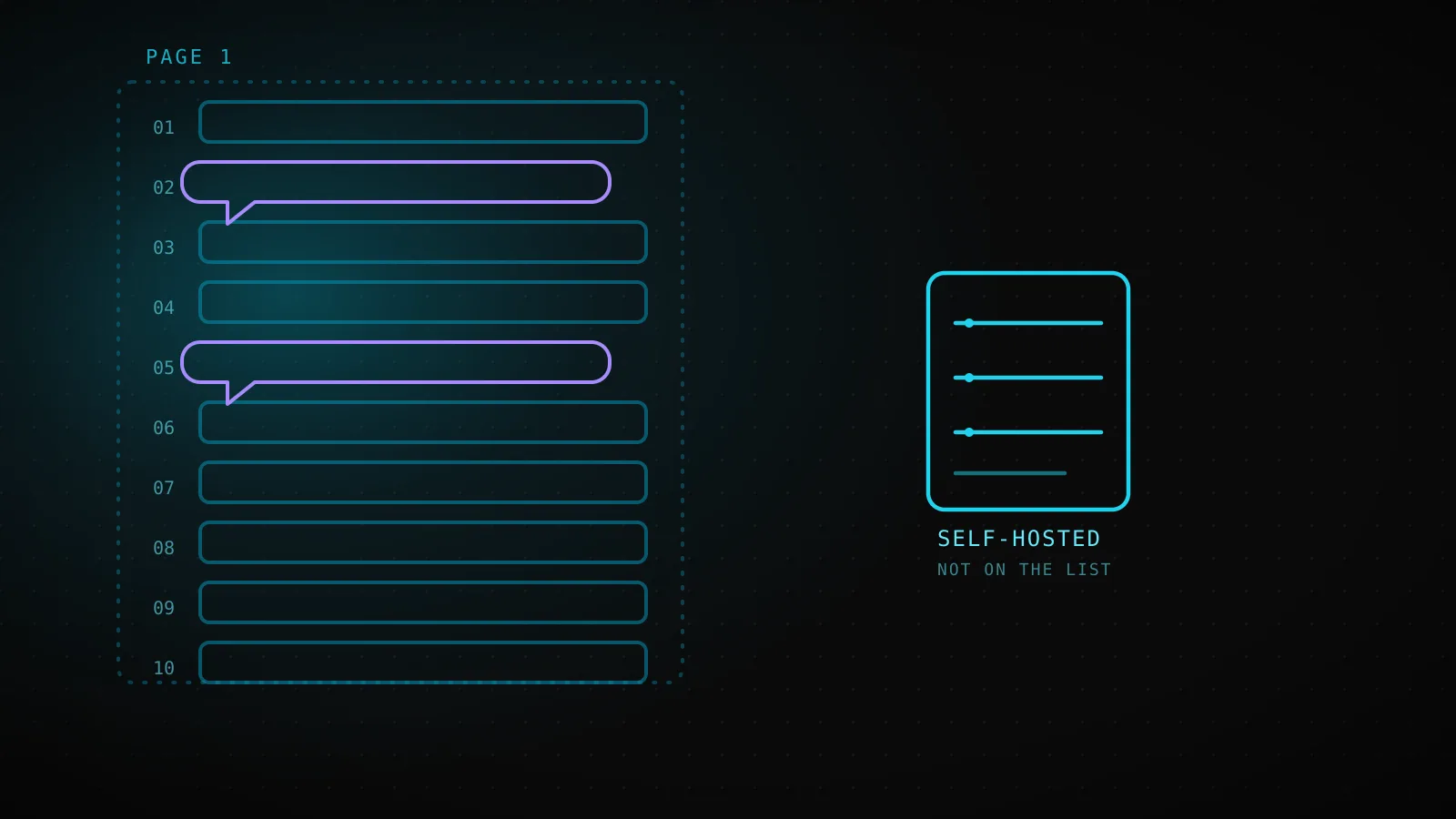
Every "Ahrefs alternative" list still sells you a seat - here's the one that doesn't
SE Ranking, Mangools, Zapier's own list - all of it prices out as a cheaper paid seat, verified live against each vendor's own pricing page. The self-hosted, agent-driven model none of page 1 names, and what your own backlink index honestly can't do yet.
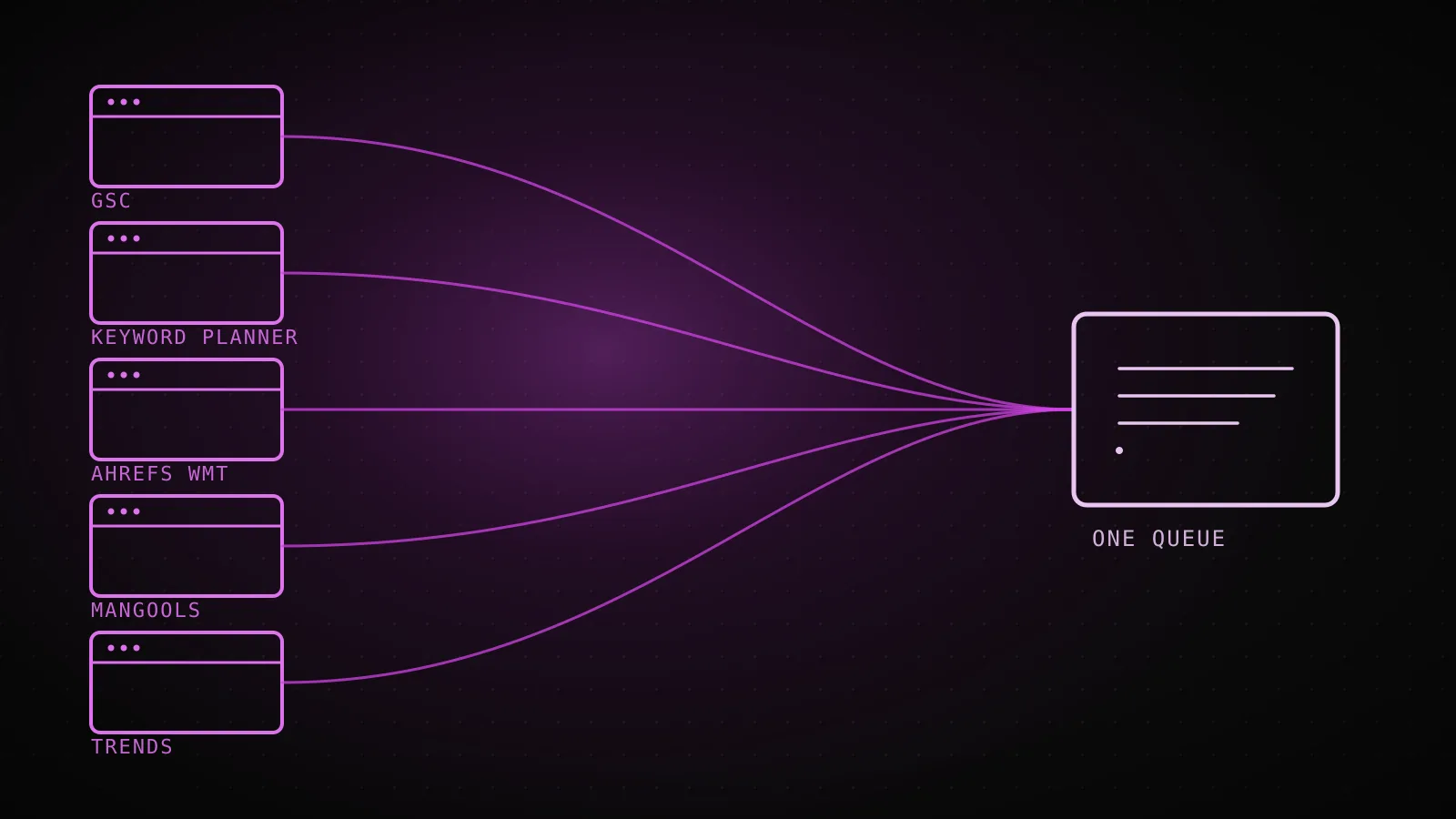
The free Semrush alternative isn't one tool - it's a stack. Here's exactly what's in it.
Every "free Semrush alternative" listicle names the same handful of tools without saying what breaks once you're running all of them. The real limits per tool, current Semrush pricing verified live, and what changes when the same jobs run behind one system.
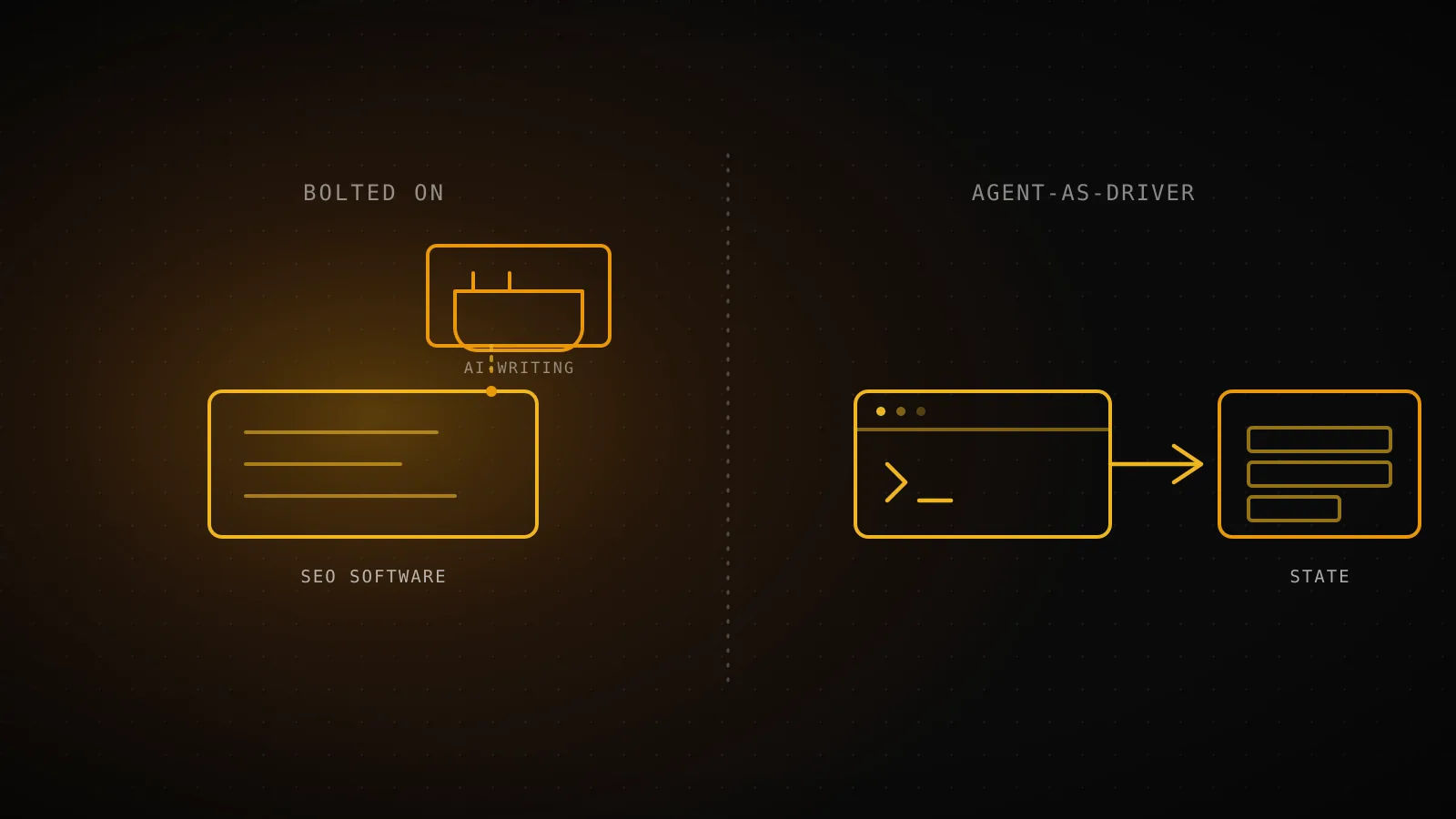
What an AI SEO agent actually is (it's not AI-writing bolted onto SEO software)
Most "AI SEO agent" pages describe a writing feature bolted onto SEO software. The other model puts an agent CLI in the driver's seat and reduces the backend to state - shown with this site's own real, unflattering numbers.
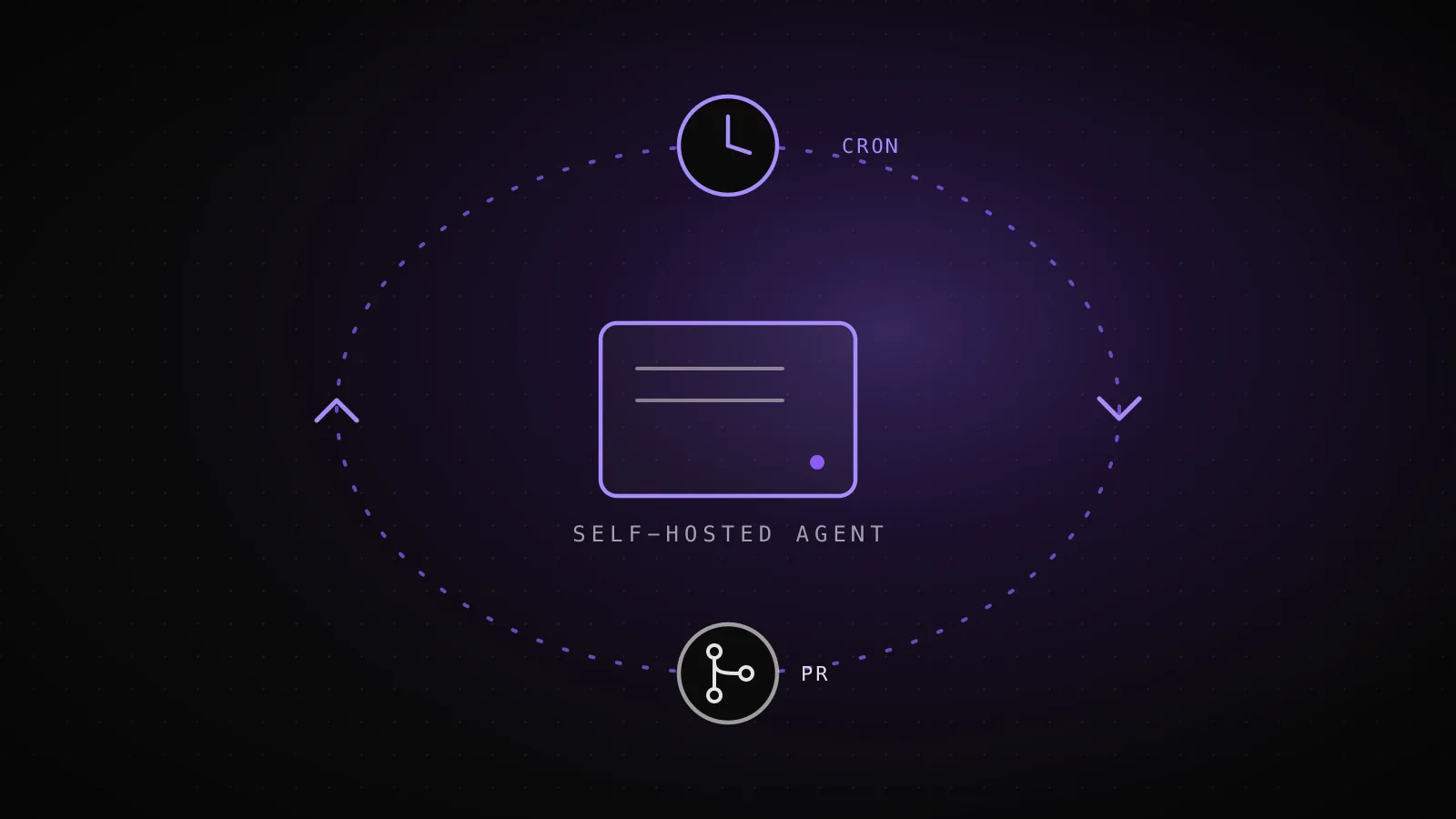
Self-hosted AI, but for one job - running your own SEO agent
What "self-hosted AI" usually means today (a local chat runtime) and the different, growing category it leaves out - a single-purpose agent - shown with DispatchSEO's own real numbers.
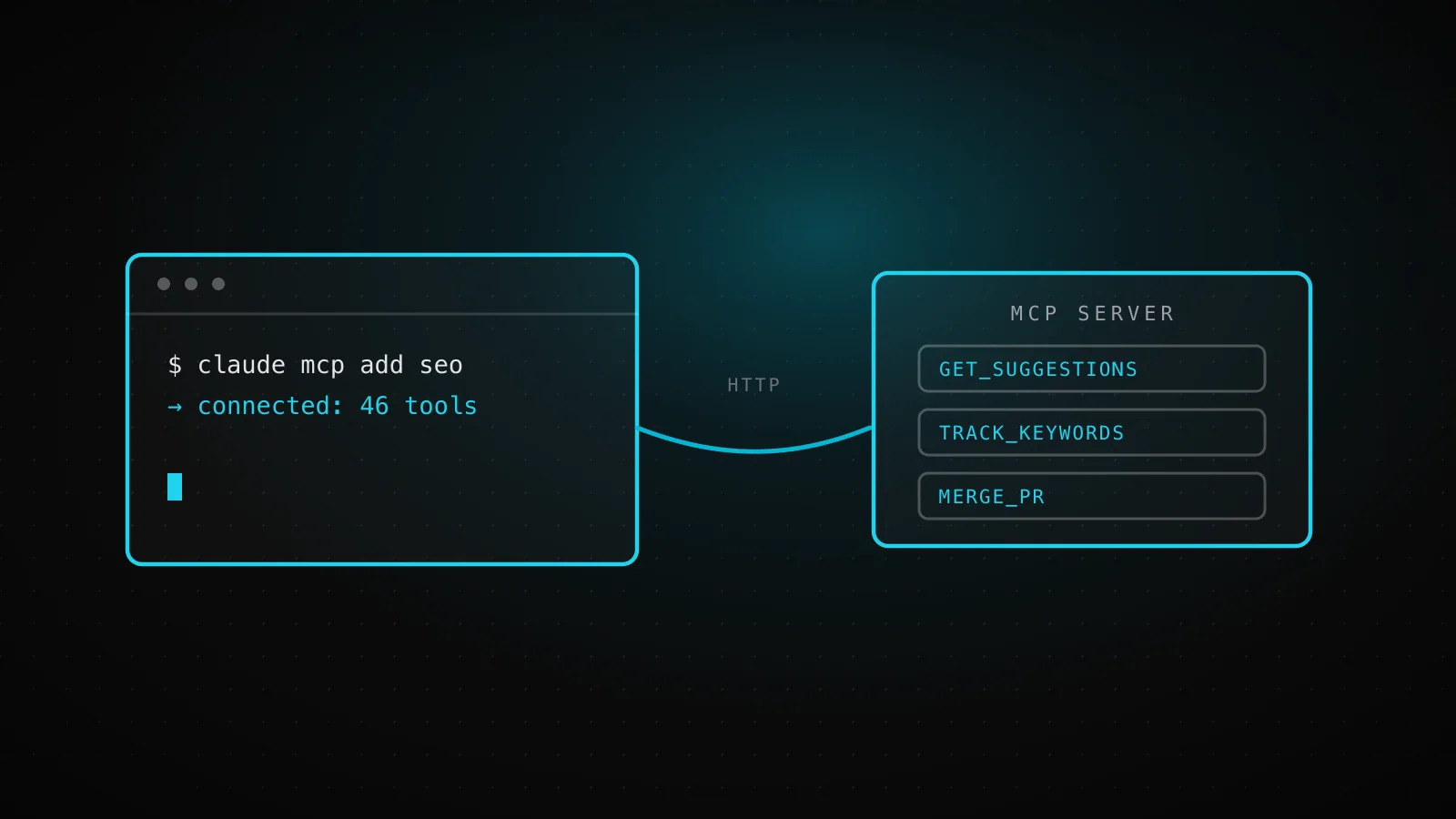
Connecting Claude Code to an MCP server (a real, stateful example)
claude mcp add, the three storage scopes, header/OAuth auth, and the --mcp-config flag a headless CI run needs - shown with the real config that builds this page.
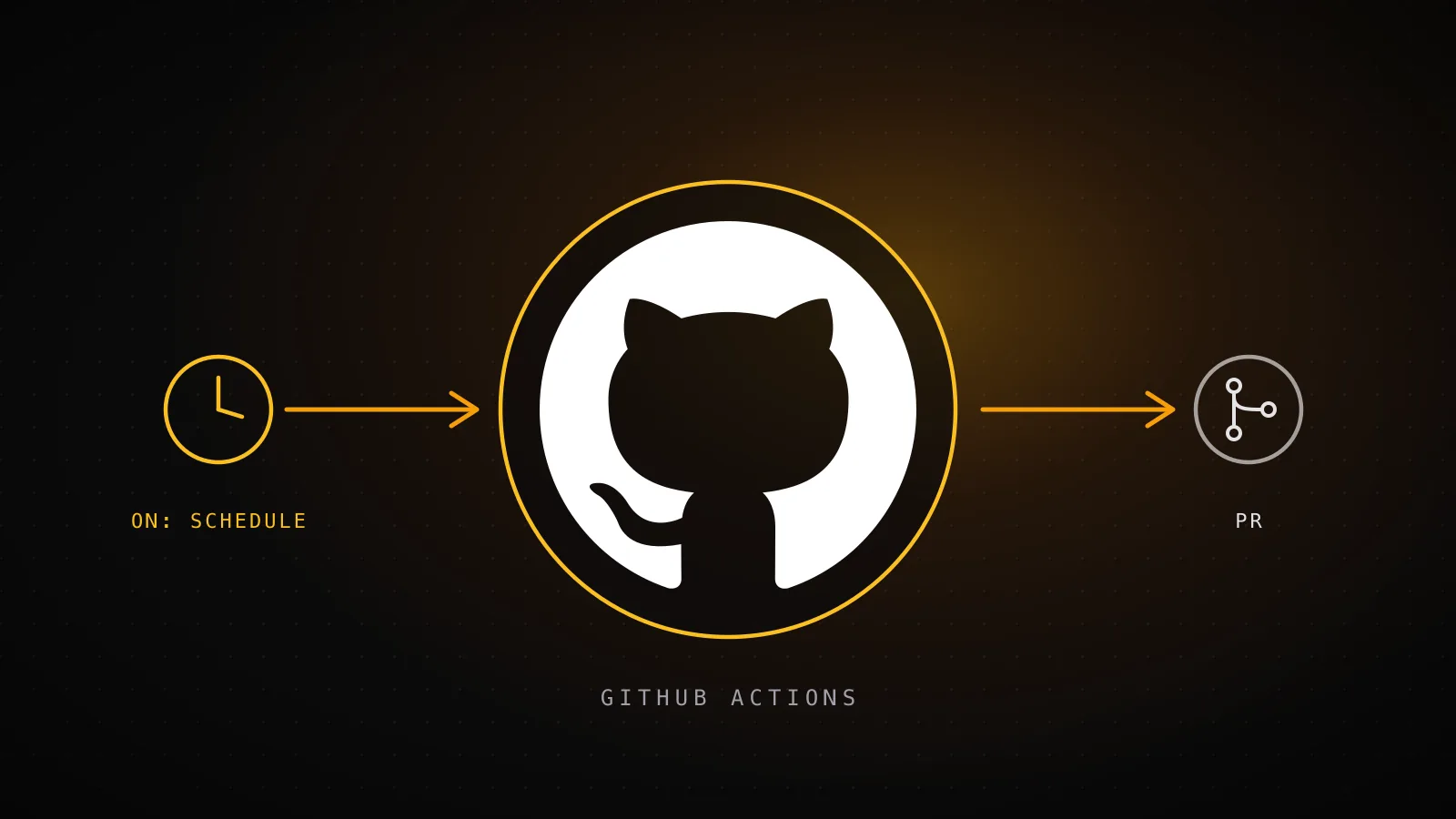
Claude Code in GitHub Actions (the scheduled pattern, not just @claude tags)
Most Claude Code GitHub Actions guides cover tagging @claude on a PR. Here's the other pattern - a cron-scheduled, autonomous run against your own MCP - shown with the real workflow that built this page.
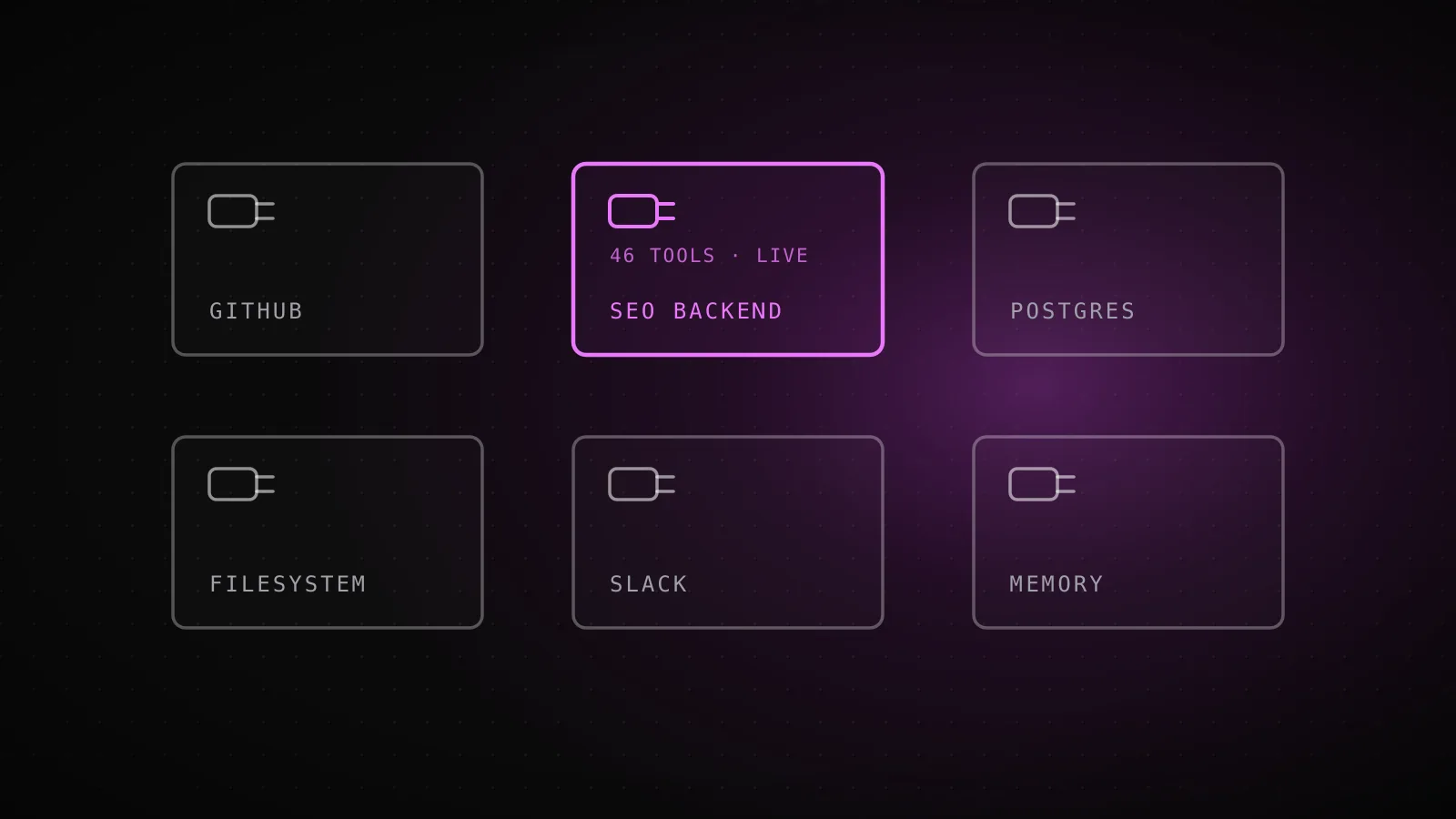
MCP server examples - what a real one looks like in production
The actual examples - the official reference servers, real-world servers by category with their tool names, a minimal one in code - plus what a production, multi-tenant server looks like and a checklist to tell the kinds apart.
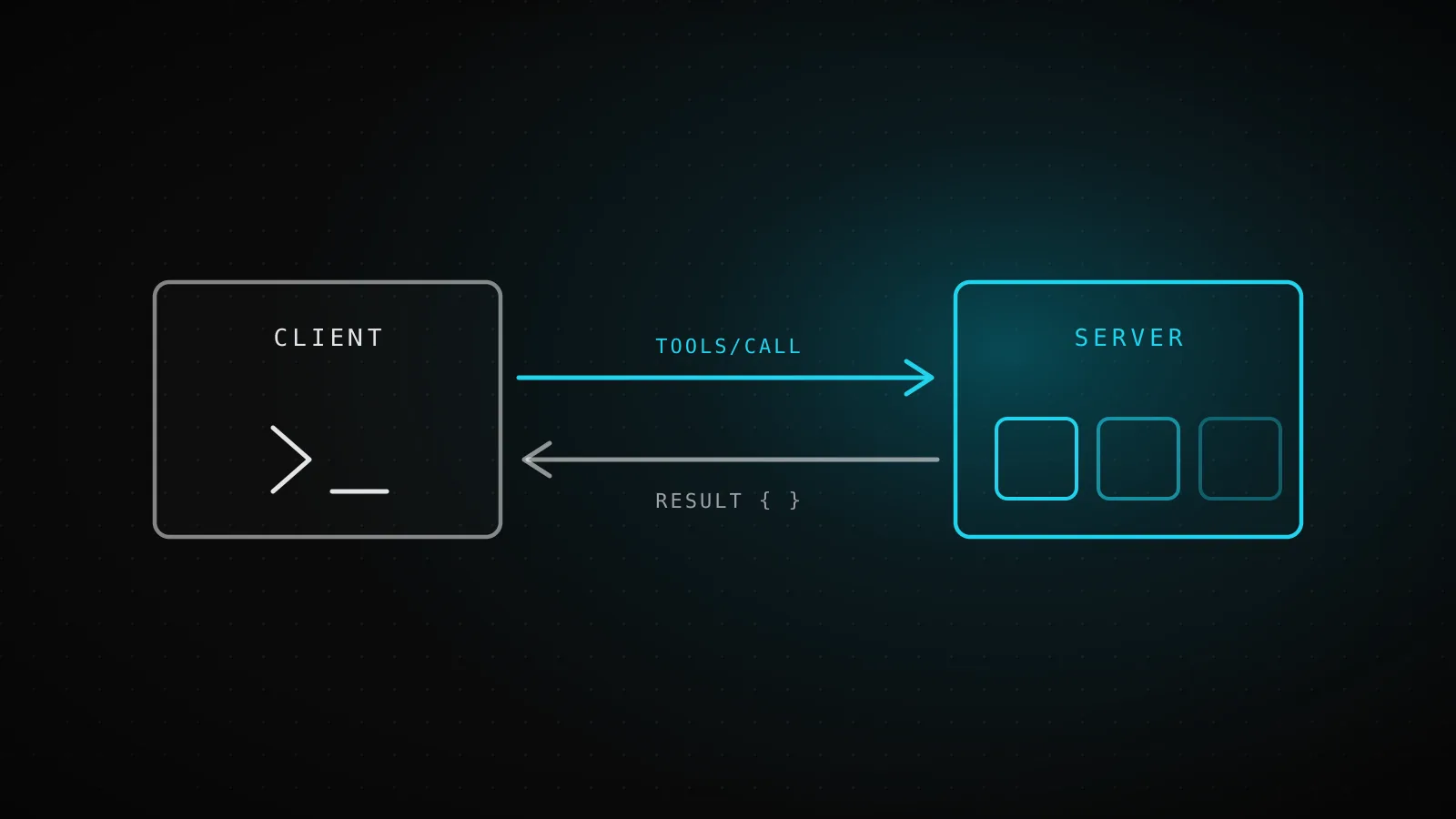
How to build an MCP server (with a real, running example)
The full build path - scaffold, first tool, Inspector test, client connect - then the production layer (transport, auth) illustrated with a production server's actual code, not a toy demo.